
Metal & Metalworking
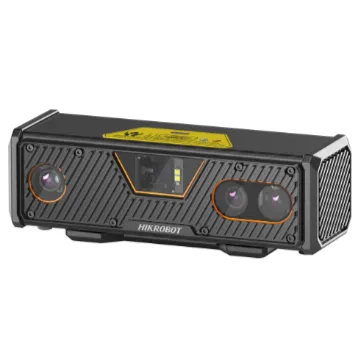
HIKROBOT cameras, 3D laser profile sensors, smart cameras, and code readers are used for defect detection on steel sheet and metal foil surfaces, inspection and measurement of press and casting parts, 3D control of weld seams, reading codes marked on metal parts, and robotic picking of irregular parts. For machine tool and press safety, sensors resistant to weld spatter and cutting oil, precision measurement on metal targets, temperature in hot metal, position on cranes, vibration in steel plants, and CNC data, OMRON, PANASONIC, TELEMECANIQUE, and ADVANTECH products are also detailed on this page through the manufacturers’ own examples.
What do machine vision and sensors solve in metalworking?
In metalworking, defects occur on shiny, oily, or heat-treated surfaces; HIKROBOT also notes that conventional 2D and 3D methods can miss defects on reflective surfaces such as metal, glass, and film, which is why lighting, camera, and measurement methods must be selected according to the surface. Reading laser-marked codes on reflective and oily surfaces of components such as engine blocks and connecting rods, inspecting press and casting parts without leaving the line, and picking irregular parts with robots are the domain of machine vision; whereas machine tool and press safety, sensors resistant to weld spatter and cutting oil, temperature sensing in hot metal, and position sensing on cranes are the jobs of field sensors. This page first explains HIKROBOT machine vision applications, followed by OMRON, PANASONIC, TELEMECANIQUE, and ADVANTECH products using the manufacturers’ own sources.
1. Steel plate, aluminum sheet metal, and metal foil surface
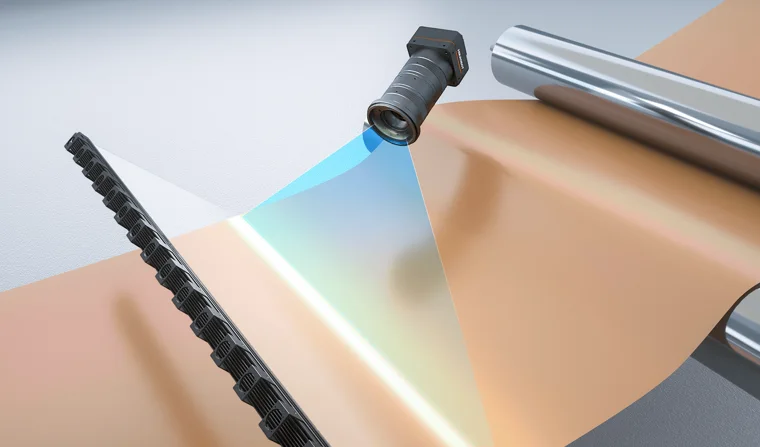
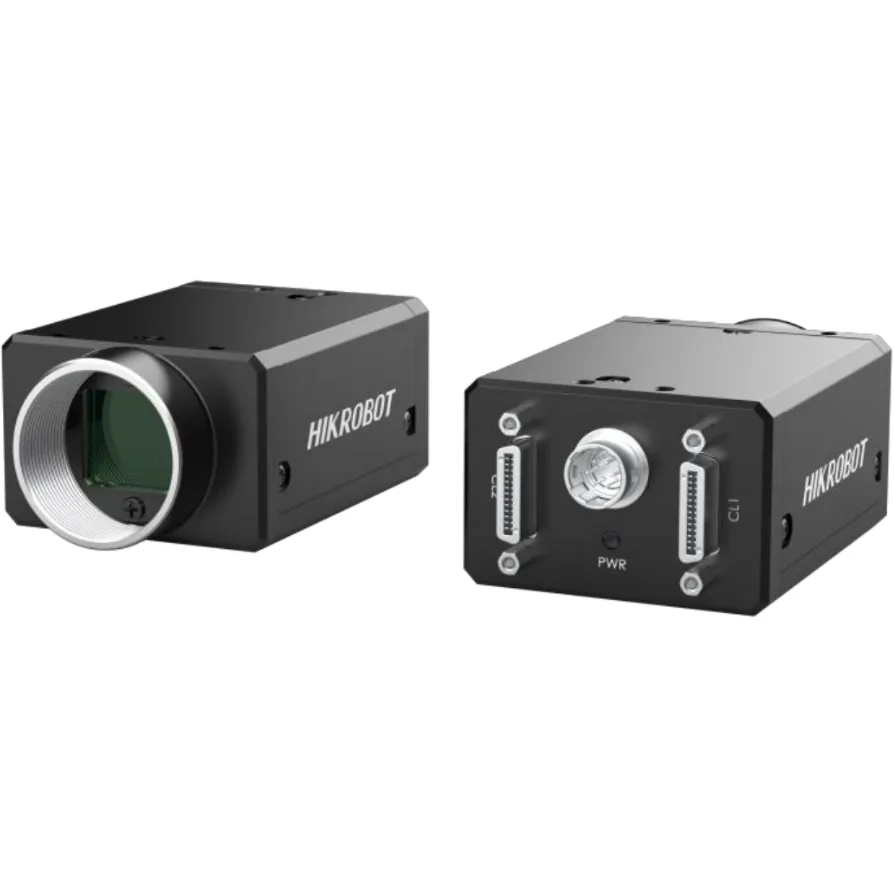
In the steel plate surface appearance defect inspection case study exhibited by HIKROBOT at AMTS 2025, a setup is used in which dome light regional illumination and photometric stereo algorithm are combined to execute line scan image acquisition and processing steps in parallel. Where conventional methods may prove insufficient on shiny and mirror-like metal surfaces, HIKROBOT offers high-speed line scan solutions that suppress reflection effects using phase shift techniques to detect micro-pits/bumps and fine scratches in a single shot. The brand’s system in the case study featuring a programmable stripe-patterned light source operates alongside line scan cameras of various resolutions to identify surface defects such as small scratches, bumps, and foreign matter occurring on high-reflectivity materials like lithium batteries and aluminum sheets.
In HIKROBOT’s copper foil line case study, defects on the foil surface such as pits, raised dots, wrinkles, black-and-white spots, fish scales, and mesh patterns are detected using a color line scan camera and a specialized long light source. In this copper foil line application, both the length and width of the material are measured, while traditional algorithms and a deep learning infrastructure work together to analyze complex surface patterns. For measurement on shiny metal surfaces, HIKROBOT’s dual-sensor single-line laser profile sensor merges two images to eliminate blind spots, increase the signal-to-noise ratio, and suppress stray light on the metal surface.
2. Sheet metal part defect and end-of-line binning on press lines
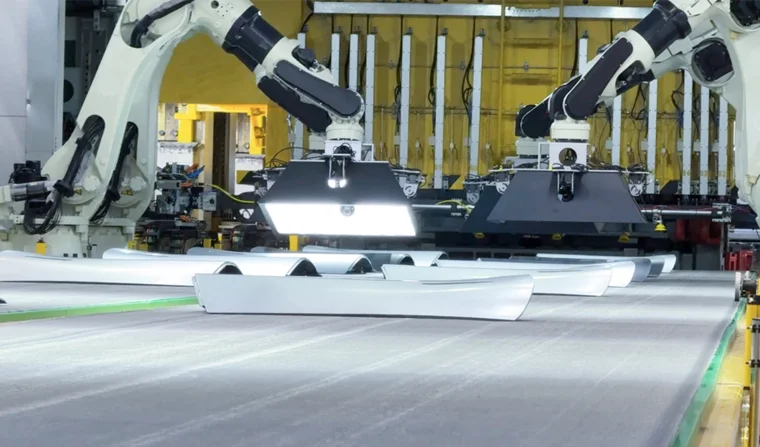
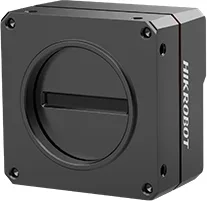
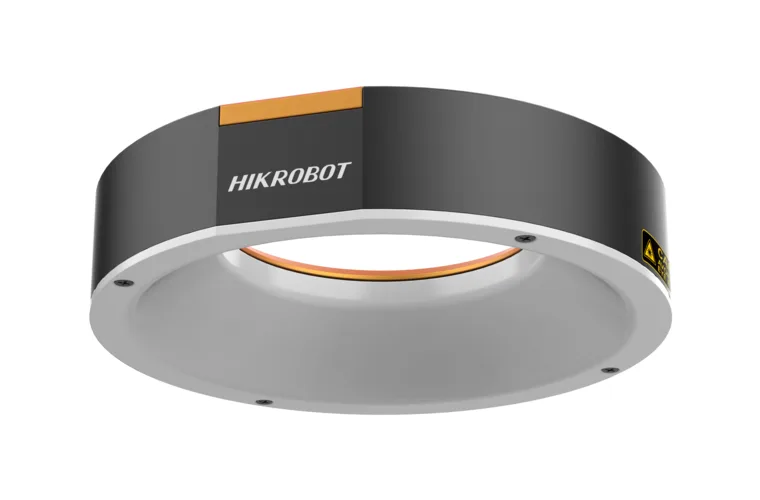
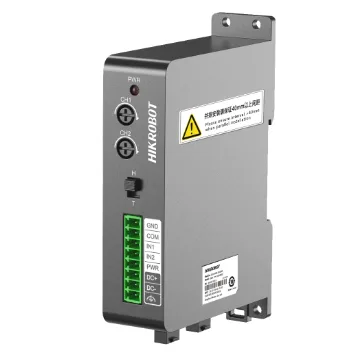
Developed to monitor the production quality of sheet metal parts formed on press lines, the HIKROBOT online press part defect inspection system detects and alerts on missing hole, crack, and necking issues that may occur on processed materials. Comprehensively examining the surface structure, this system also identifies deformations such as dents, press marks, scratches, and wrinkles occurring during the forming stage. Operating with a multi-angle lighting structure, this architecture combines a 10GigE high-precision camera capable of multi-point capture on a robot arm and bright flash light components.
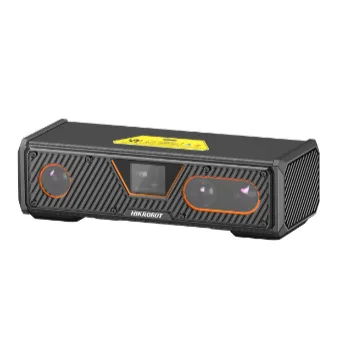
In the stacking and packaging processes at the final stage of the press line, the HIKROBOT area scan camera handles the positioning of over 10 different types of press parts, supporting end-of-line automation. Operating on the same line, the wide-field 3D camera in the case study keeps the overall condition of the bins under control, regularly monitoring bin type, bin deformation, and part presence within the container. Thanks to this control structure provided by 3D imaging technology, according to HIKROBOT, high-precision bins are not required.
3. Casting part inspection, hole and dimension measurement
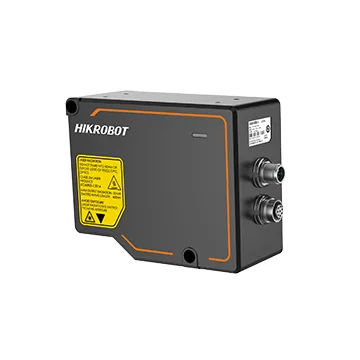
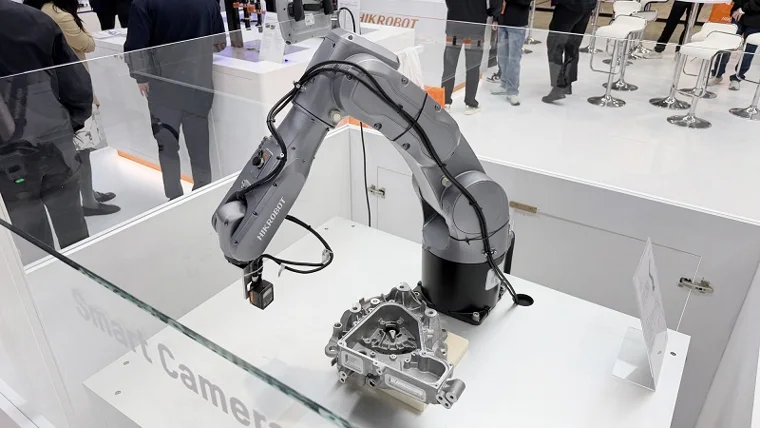
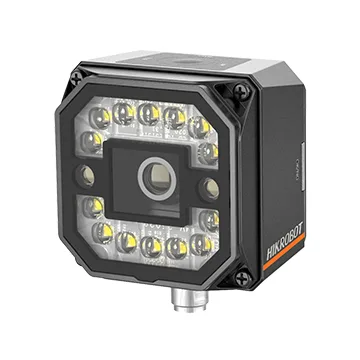
While the HIKROBOT SC3000X vision sensor is integrated on a robotic arm to inspect code and character data on every surface of casting parts, it incorporates code reading, presence/absence, orientation, measurement, recognition, and counting tools. The SC3000X was also showcased at the VISION 2026 exhibition with multi-surface automated inspection of automotive bearings on a robotic arm. Introduced at the same exhibition, the HIKROBOT DP4000 laser profile sensor executes glue bead inspection in automotive castings with its 4080-point profile and 49 kHz scanning speed, while the DP4020 model provides 3.3–3.6 μm X resolution, 0.1 μm Z repeatability, and a maximum frame rate of 49K.
HIKROBOT offers machine vision solutions in processes ranging from aluminum ingot receiving to semi-finished product transfer between machining stations and final defect inspection in integrated die-casting lines. In the inspection of die-cast front cabin and rear floor parts, presence/absence checks of through, threaded, or shaped holes, as well as machined surfaces, are performed using a camera mounted at the robot end, lighting, VM software, and deep learning. Operating with a working distance of approximately 1 m and a field of view of 525×350 mm in this case study, the cycle for more than 200 items per part is completed within 85 s, and while data is transferred to PLC and MES systems, a detection rate of 99%+ is targeted. Meanwhile, the 360° cylindrical 3D inspection system in the case study developed for cylindrical parts detects bulge, scratch, and tear defects in materials within a diameter range of Φ6–35 mm, and measures bending deformation with center tracking.
| HIKROBOT case value | Value |
|---|---|
| Inspection item on die-cast parts | Over 200 features, cycle time within 85 s |
| Camera working distance and field of view | Approximately 1 m, 525 × 350 mm |
| DP4000 profile sensor | 4,080 points / profile, 49 kHz |
| DP4020 | X 3.3–3.6 μm, Z repeatability 0.1 μm |
The values are derived from case study and product data published by HIKROBOT; some camera models featured in the case studies are not available at FST. Selection for your own production line is made on a project-by-project basis.
4. Weld seam inspection and 3D profile measurement
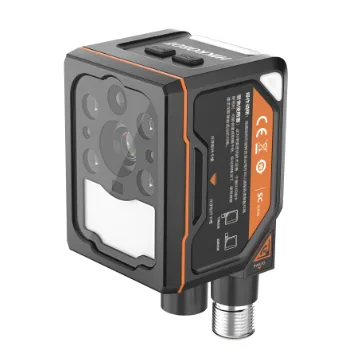
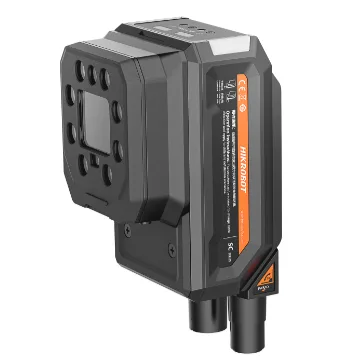
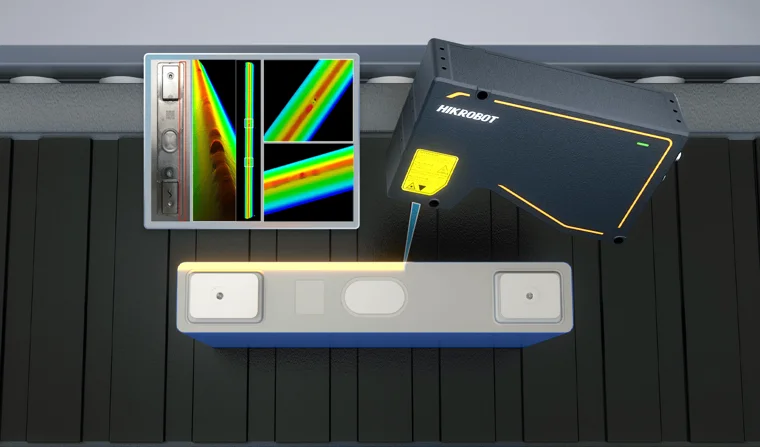
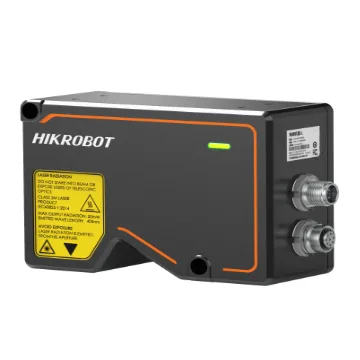
In top cover weld inspection within battery production, HIKROBOT uses the 3D laser profile sensor in the case study to analyze weld seams and flange height around the cover. The profile sensor within the architecture checks for bump and pit formations exceeding 0.5 mm in diameter and height along the weld line, as well as continuous strip defects measuring 0.2 mm, completing the inspection of four edges within 2.5 s. Height data in the point cloud obtained during the process is processed to capture structural defects occurring in the joining region, such as blowholes, pits, discontinuous welds, and cold welds.
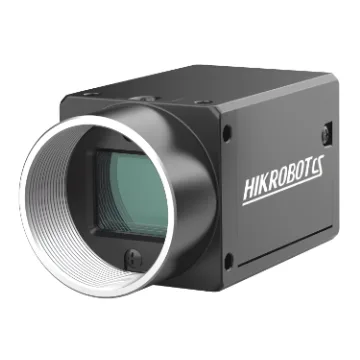
In post-busbar welding inspections within battery manufacturing, the HIKROBOT profile sensor and area scan camera are installed side by side to evaluate the physical parameters of the seam line. Thanks to this hardware configuration, while measuring seam diameter and width, over 10 defect classes are scanned, including missing, broken, punctured, collapsed, displaced welds, and undercut burnthroughs. In general automotive body and welding lines, HIKROBOT machine vision solutions provide weld positioning guidance during robotic assembly steps while carrying out quality and count inspection of weld seams and spots.
5. DPM code reading and traceability on metal parts
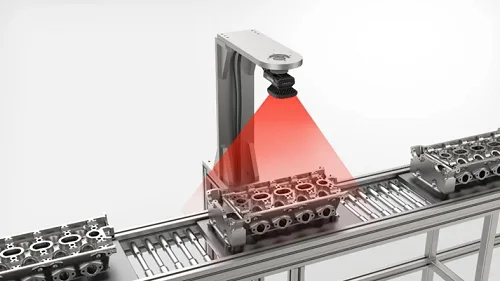
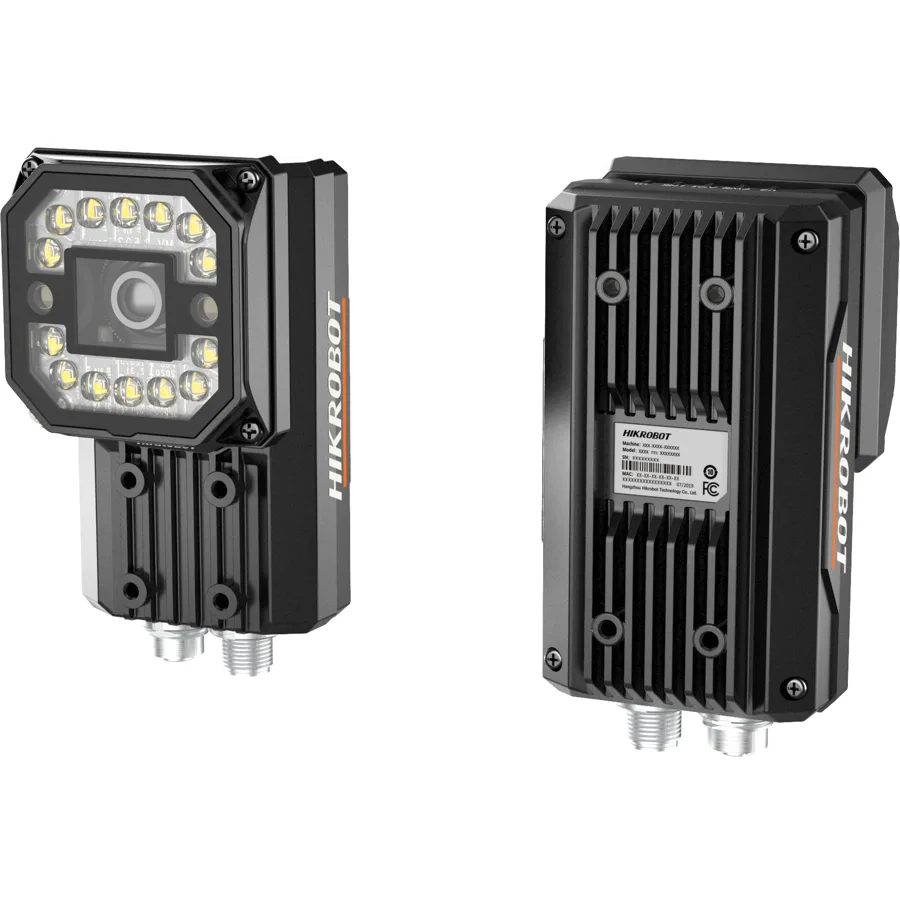
In automotive manufacturing, laser-etched Data Matrix codes on critical components like engine blocks, connecting rods, and clutches complicate direct part marking reads due to oily or low-contrast surfaces. Designed to overcome difficulties created by surface reflections and complex geometries, the HIKROBOT ID3000 and ID5000 series readers decode codes under smudges, physical damage, and low contrast thanks to their deep learning algorithms. The illumination structure in the devices, independently controllable in 4 directions, suppresses stray glares on metallic surfaces, while multi-channel individual control options, white, red, blue color choices, and polarization accessories enhance reading performance.
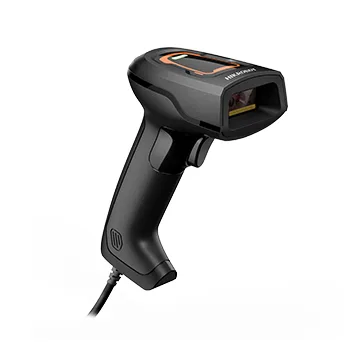
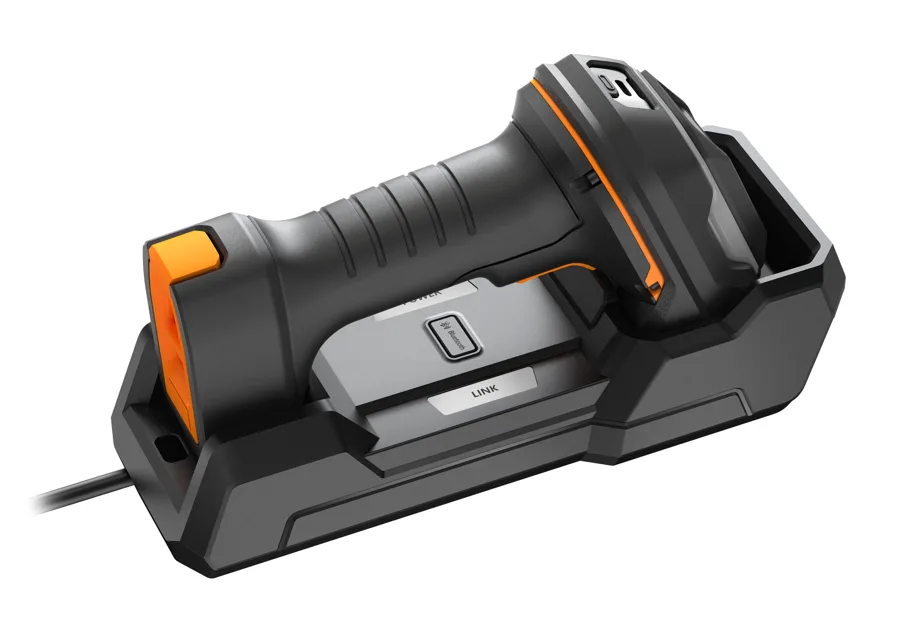
In HIKROBOT’s automotive part DPM case study, a recognition rate of up to 99.99% is achieved on QR codes processed using laser, mechanical dot peen, and inkjet methods, with decoding time occurring in under 60 ms per code. Provided for flexible field use, the HIKROBOT IDH9000B handheld reader supports module sizes down to 0.04 mm when reading laser-engraved DPM codes, enabling the tracking of detailed markings. While the wireless charging architecture in the handheld reader eliminates metal electrode wear and metal chip interference, it offers 4 distinct lighting mode options: direct, polarized, diffuse, and dual-directional.
6. Robot loading and unloading with 3D vision in press and machining lines
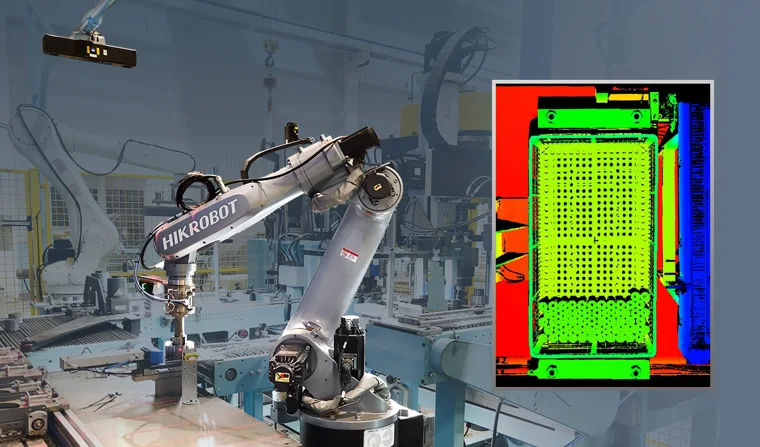
The 3D vision-guided workpiece loading and unloading solution offered by HIKROBOT operates in automated handling and gripping processes for complex workpieces, structural parts, and irregular components in the automotive, supplier, steel, and machinery sectors. While the laser galvanometer stereo camera within the system captures reflective automotive sheet metal parts and irregular sand casting parts, its redesigned structure reduces volume by 40% and weight by 50%, limiting the payload at the robot tool center point. In the application showcased at the LogiMAT 2025 fair, the 3D camera in the case study and RobotPilot trajectory planning software are used together to grip irregularly shaped metal workpieces with a repeatability of 0.2 mm.
The brand’s 3D camera, utilized in the weld part loading case study, demonstrates resistance to high reflectivity on metal surfaces and ambient light variations with a repeatability of ±0.06 mm and a system accuracy of under 0.5 mm. In this case study, precision bins are not required; 3D point cloud and 2D deep learning technologies are combined for disorganized bin picking processes applied to shaft and housing parts.
Safety, harsh environment sensors, and plant data
Machine vision captures defects and measurements; however, the safety and continuity of a metalworking line depend on sensors, switches, and computers operating under burrs, chips, cutting oil, temperature, and vibration. OMRON examples are taken from the safety components selection guide, machine safety catalog, and F3SG-R, WL-N, E2B, TL-W, ES1C, and V680 documents; PANASONIC examples from SF4D, GX-F/H, GP-X, HL-G1, HG-T, and HG-C sources; TELEMECANIQUE examples from the lifting brochure and XC, XS, XX, XG, and XCS catalogs; and ADVANTECH examples from steel, CNC, and metal plant case studies. In safety applications, risk assessment is conducted on a project-by-project basis.
7. Door safety on machine tools and heavy machinery
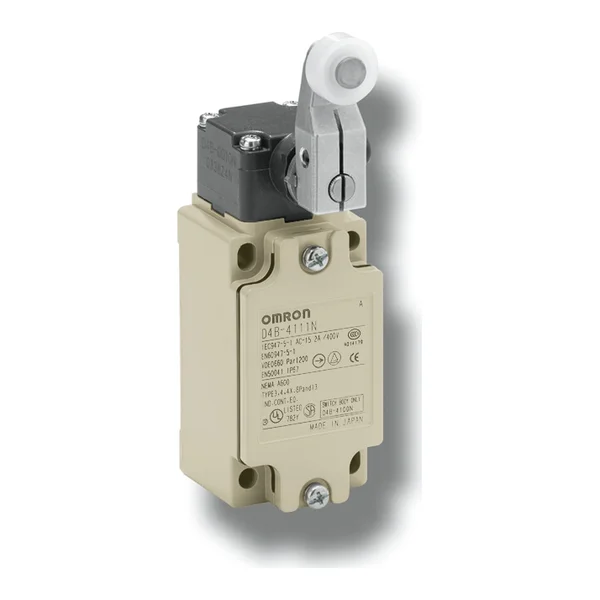
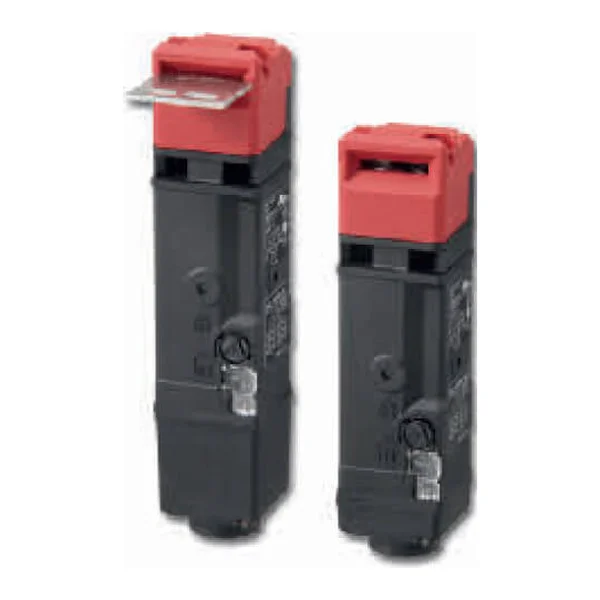
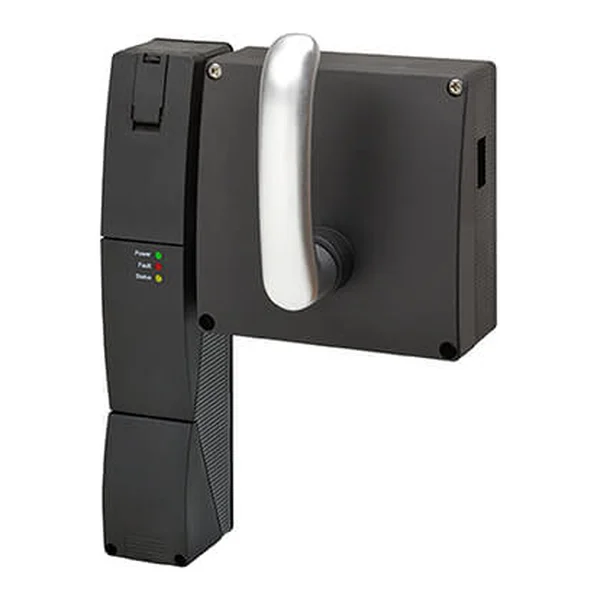
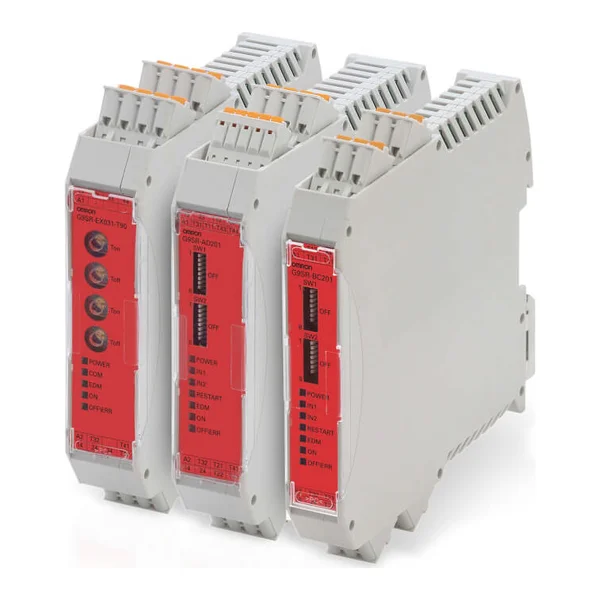
For engineers planning safe door positioning and guard sensing on machine tools, the application page of the OMRON safety components selection guide positions the D4B-□N safety limit switch, as well as the D4N and D4F small safety limit switches integrated into narrower spaces, to monitor door open or closed status. To prevent physical access to inertia hazards where the machine continues to rotate until coming to a stop even after power is disconnected, the same guide recommends D4SL-N and D4NL guard lock safety door switches, while offering the high-coded D41G door locking switch with an emergency exit unit to eliminate the risk of entrapment inside the cell. In the machine tool example, the G9SR safety relay unit is included in the system to manage standalone operation scenarios, whereas, according to the warning in the D4SL-N datasheet, even though the switch box is resistant to external factors, D4SL is not preferred at points where cutting chips, oil, water, or chemical substances can seep through the keyhole in the head.
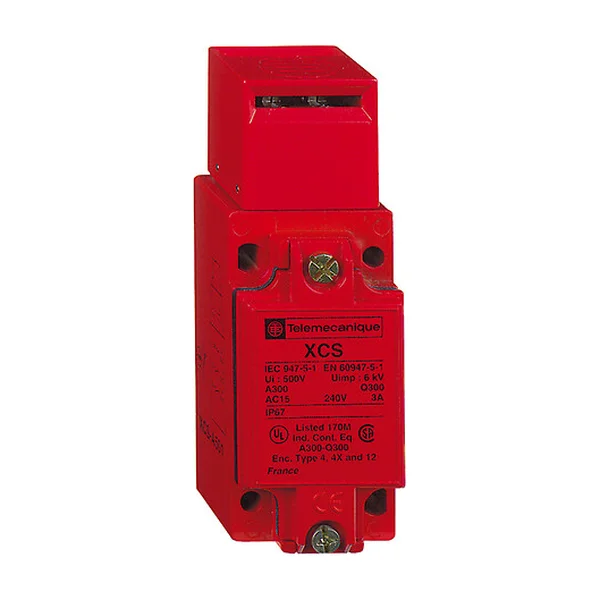
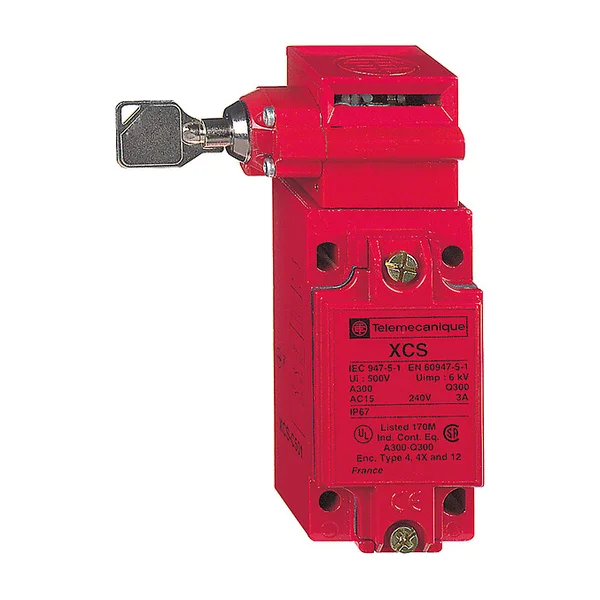
On the heavy industrial machine safety side, the TELEMECANIQUE XCS catalog defines industrial-format key-operated safety switches for lines with short rundown times, while emphasizing the necessity of using guard lock types in applications where the rundown time exceeds the time required for an operator to reach the hazardous area. Under harsh operating conditions subject to external shock or vibration, using guard-interlocked metal-body switches is recommended to mitigate the risk of unintentional guard door opening. The XCSA501 model within this product range offers a Zamak metal body and head structure, IP67 protection class, and a mechanical lifespan of 1 million cycles.
8. Light curtains in pressing and sheet metal forming
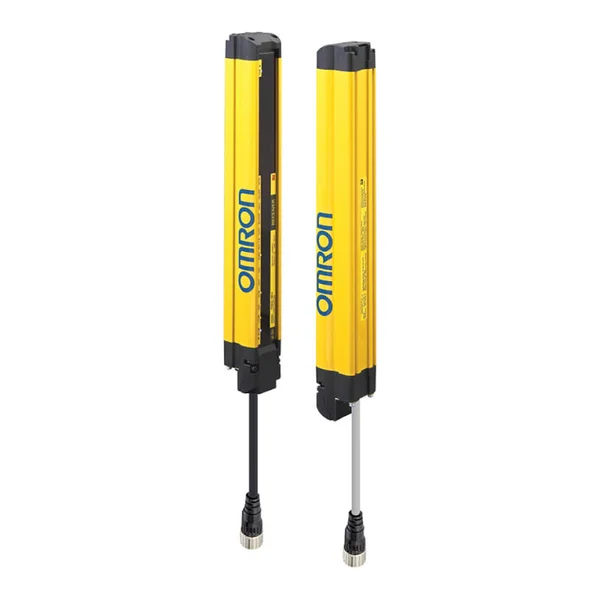
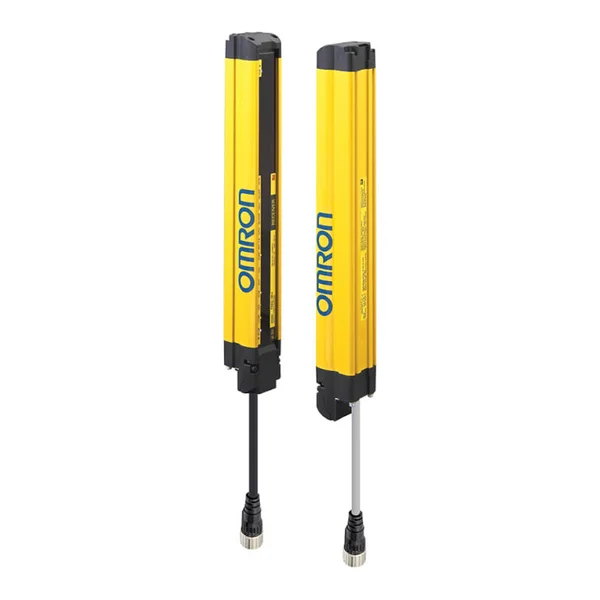
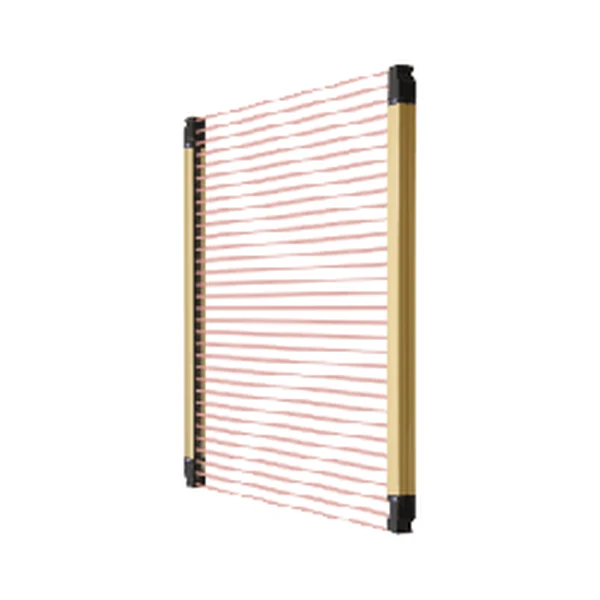
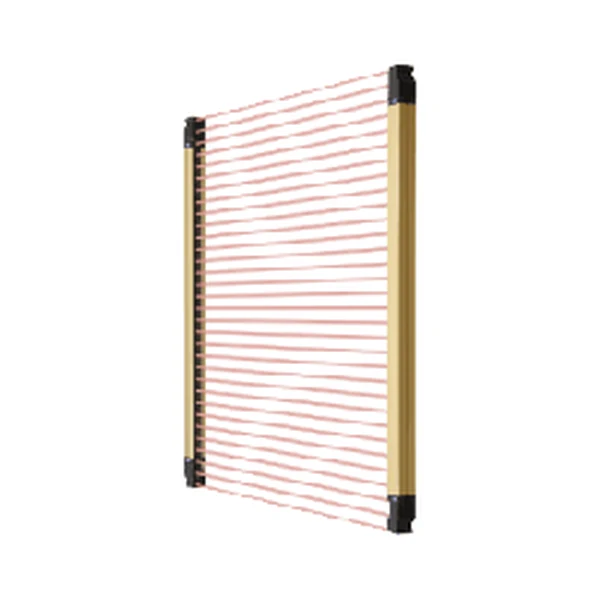
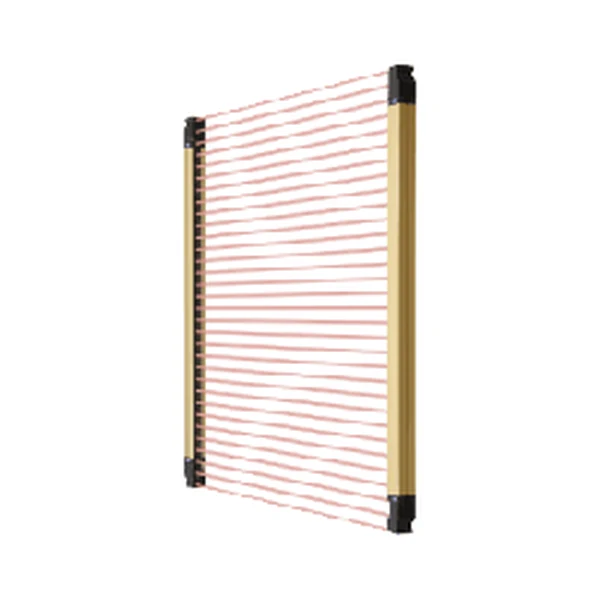
To ensure operator safety in hazardous motion zones of presses and sheet metal molding machines, the OMRON machine safety catalog states that 14 mm resolution sensors offering finger protection functionality can detect a single finger and stop the machine, and that the relevant standard mandates this safety sensor in these press machines. In special applications where there is a risk of parts being ejected from the machine during processing, the relevant catalog notes that installing a physical fence or protective shield is a more appropriate approach than using optoelectronic devices. Configured with 14 mm finger and 30 mm hand protection options, the F3SG-R series light curtains offered in this direction cover a sensing distance range between 0.3 and 20 m and a protective height range between 160 and 2,500 mm, carrying on its datasheet the relevant standard certification for active optoelectronic protective devices used in presses.
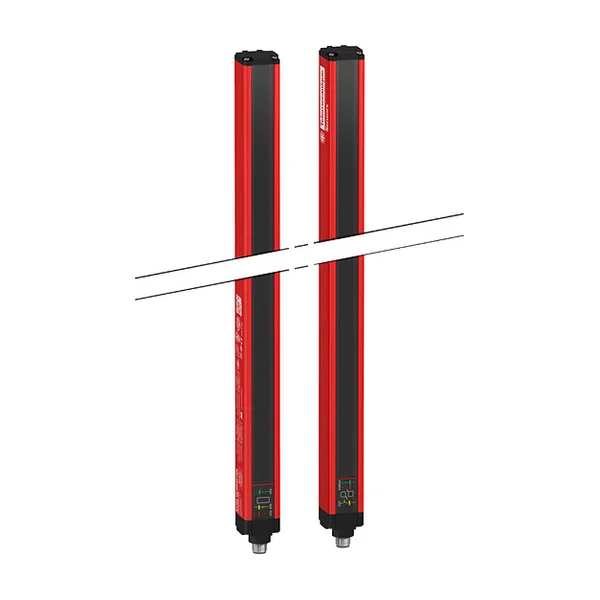
Regarding press safety regulations on global production lines, on the PANASONIC side, SF4D-□-01 models are used as safety devices for press and shearing machines in Japan, while installing the SFPD-A10 protective tube on the connecting cable is mandatory, and in China applications, the protective height is measured between the centers of the first and last beams. TELEMECANIQUE Preventa XUSL light curtains positioned for zone protection on hazardous machinery stand out with models capable of reaching Type 4, SIL 3, and PL e levels. TELEMECANIQUE considers XUSL, which has finger (14 mm) and hand (30 mm) protection versions, suitable for area protection on almost every hazardous machine; PANASONIC SF4D-A/F/H pages at FST are series pages, and safety compliance for presses is evaluated on a project basis for each machine.
9. Spatter and liquid protection on welding lines
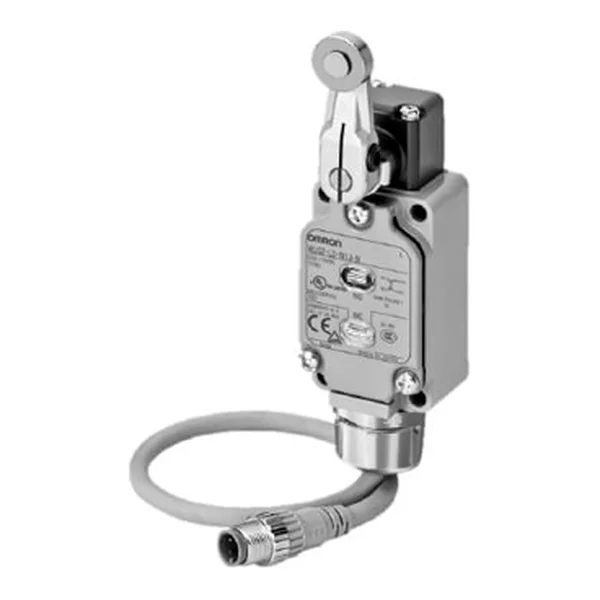
In order for limit switches to maintain their functionality in arc welding lines and heavy-duty work areas where cutting dust is scattered, the anti-spatter models in the OMRON WL-N datasheet are designed to prevent hot spatter adhesion thanks to the stainless steel or resin materials used on them. These special models of the WL-N family help reduce operational issues caused by zinc powder generated during welding processes on mechanical parts. On the optoelectronic protection side, while the F3SG-R user manual states that a cover must be installed to protect the light curtain in environments where foreign substances such as spatter adhere to the surface, it is reported that when using the F39-HGA spatter protection cover developed for the F3SG-RA series, the operating range of the device will be 10% shorter than its nominal value.
Designed against harsh environmental conditions on welding lines, the front protective cover offered for the PANASONIC SF4D light curtain shields the optical sensing surface from damage caused by flying objects like weld spatter, though adding this cover results in a reduced operating distance. Featuring high sealing standards, the SF4D series prevents not only water ingress but also coolants and other industrial liquids from reaching internal components thanks to its IP67, IP65, and NEMA Type 13 compliance. In processes with heavy cutting fluid splashing, chemical additives in the fluid can degrade component structures over time, making it recommended to verify material resistance against the specific liquid prior to installation.
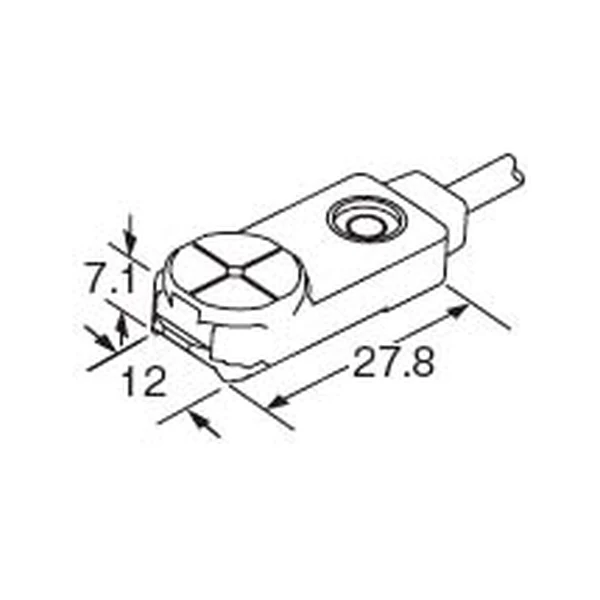
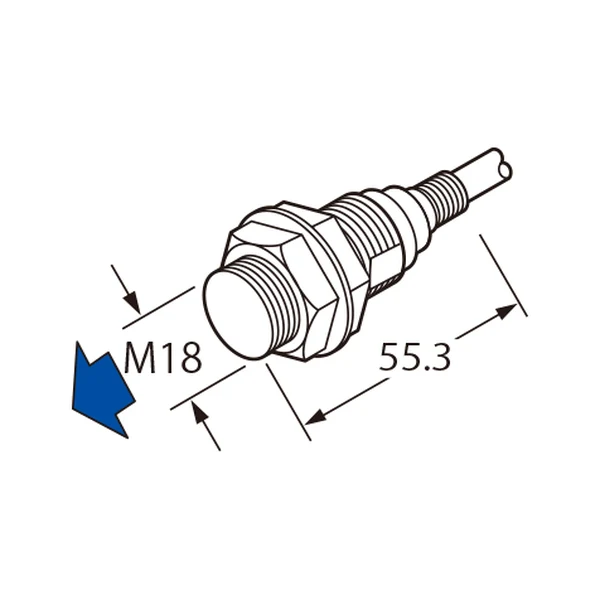
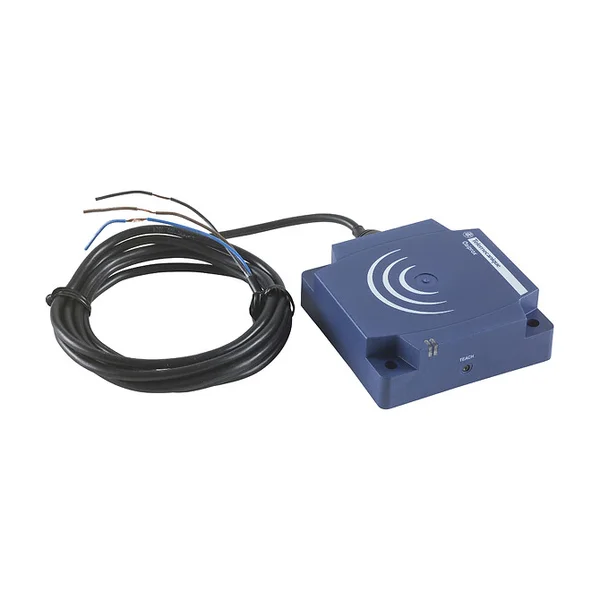
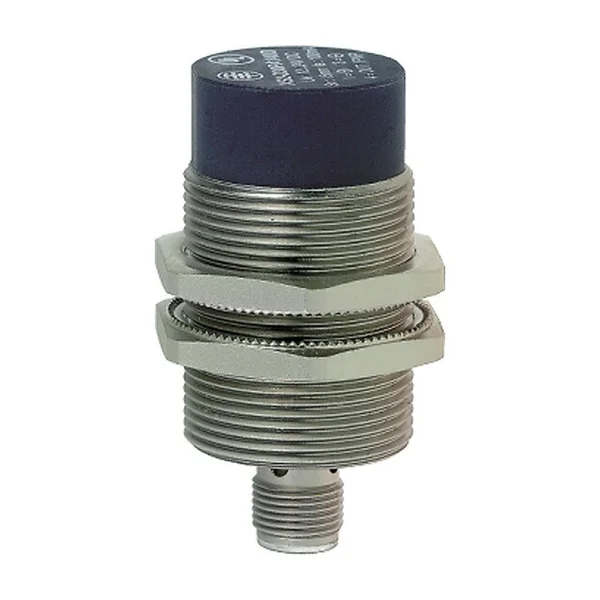
10. Metal part detection with inductive sensors
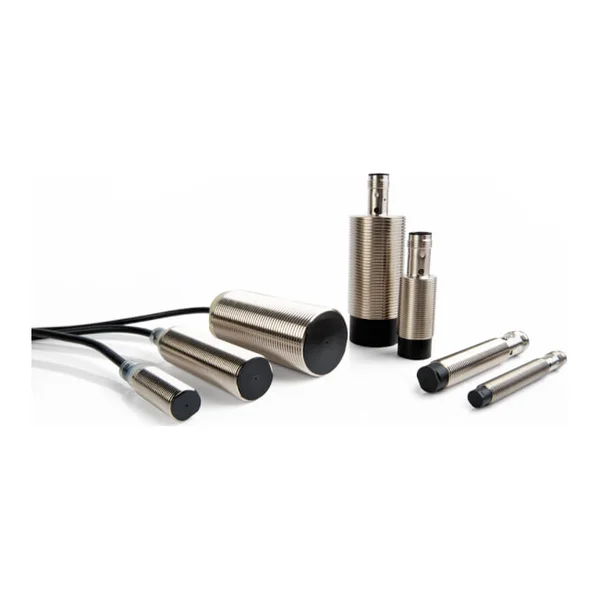
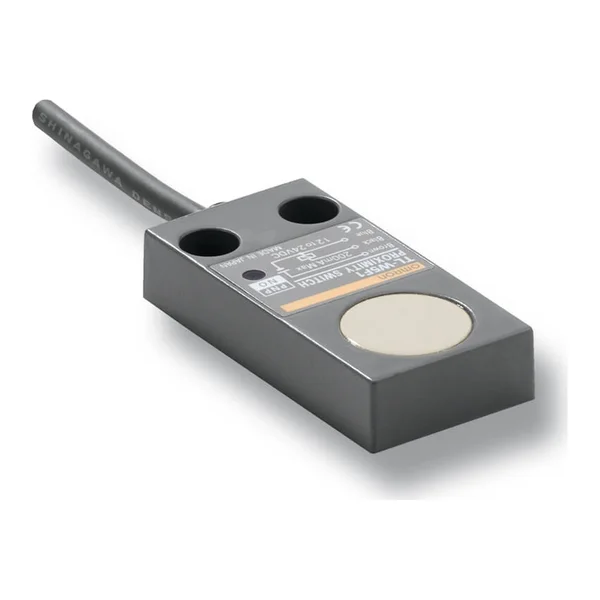
For detecting part presence and position on metalworking lines, while the standard sensing object is defined as ferrous metals in the OMRON E2B, TL-W, and E2A-S datasheets, it is stated that the sensing distance decreases for non-ferrous metals. With a standard sensing object of iron measuring 18 × 18 × 1 mm, TL-W block-type inductive sensors allow flat surface mounting at distances between 1.5 mm and 20 mm, while graphs in the datasheet contain separate variation curves for stainless steel, brass, aluminum, and copper; the E2B series is offered in M8, M12, M18, and M30 sizes with IP67 protection, in single or double distance, flush and non-flush types. On automation lines, while PANASONIC GX-F/H models are used for positioning metal pallets and processing equipment as well as for light curtain muting control, the nominal distance for non-ferrous metals is multiplied by coefficients of approximately 0.79 for stainless steel, 0.56 for brass, and 0.53 for aluminum; long-distance models with the ’K’ suffix in the GX-300 cylindrical series contribute to reducing impact risk and sensing errors in vibrating environments.
In non-contact sensing technology, TELEMECANIQUE XS inductive sensors detect only metallic targets up to a distance of 60 mm based on the principle of eddy currents generated in metal objects entering the magnetic field stopping the oscillation. Although the majority of objects in applications are steel, correction factors are applied for material, temperature, and size variations, while Fe/NFe models can detect ferrous and non-ferrous metals at the same distance. The prominent XS8D1A1PAL2 model in this group provides IP68 protection with a sensing distance of 40 mm in flush mounting and 60 mm in non-flush mounting with its PBT housing, while the XSDA400519 model operates in industrial environments with a 40 mm sensing distance and IP67 structure, and the XS630B4PAM12 model with a 22 mm sensing distance in an M30 brass housing featuring IP67 and IP69K protection ratings.
| Product | Manufacturer data |
|---|---|
| OMRON TL-W | Standard object 18 × 18 × 1 mm iron; distance decreases for non-ferrous metals |
| PANASONIC GX-F12 | Correction factor: stainless ~0.79, brass ~0.56, aluminum ~0.53 |
| TELEMECANIQUE XS8D1A1PAL2 | Sn 40 mm flush / 60 mm non-flush, IP68 |
11. Selection in cutting oil, coolant, and chip environments
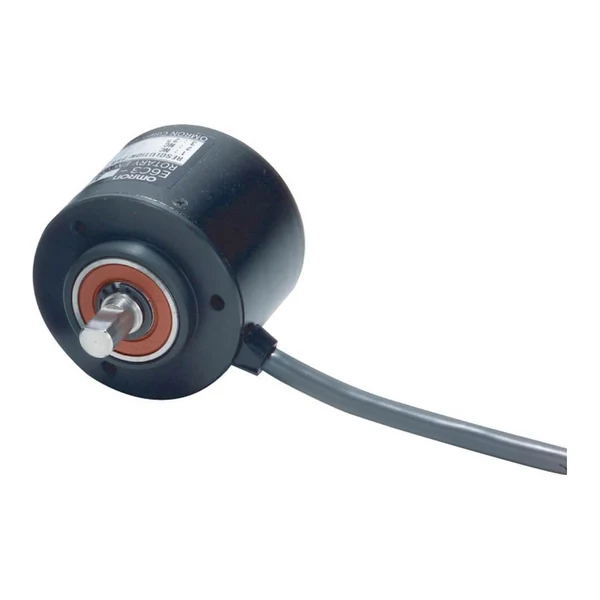
Against the harsh conditions created by cutting oil and coolants in machining environments of machine tools, OMRON E2B inductive sensors have undergone field tests involving 250 hours of exposure to diluted water-soluble cutting oil vapor in a 23 °C environment in addition to the IP67 test. On the limit switch side, the WL-N family offers airtight WL□-55-N models for areas with cutting oil or water, and hermetic WL□-RP60-N models against coolant drops and vapor, while hermetic WL□-141 and WL□-145-N models feature a head cover that protects against cutting chips along with an oil-sealed double-sealing structure. For rotary position tracking, based on the oil-resistant structure recommended in the OMRON technical manual for oily environments, the E6C3-C incremental encoder with a Ø50 mm outer diameter stands out with IP65 protection up to a resolution of 3,600 p/r and its sealed bearing housing.
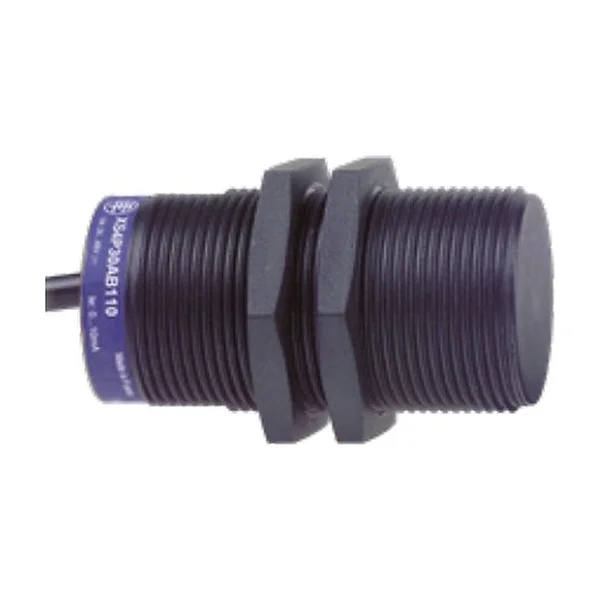
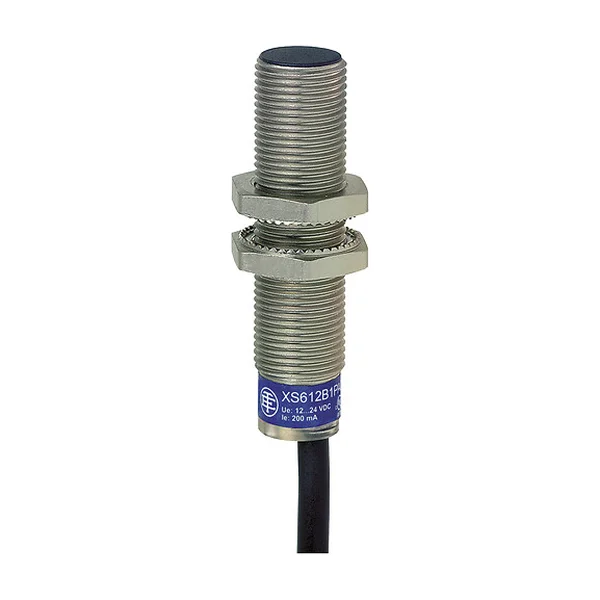
For material processing and machine tool applications, while IP68-protected models tested for 336 hours in 40 m of water in the TELEMECANIQUE XS inductive sensor catalog are recommended for the most demanding sites, plastic-housing sensors exhibit high resistance to aliphatic and aromatic oils as well as petroleum, and factory-molded cable connections ensure sealing against splashing liquids. In this category, the PPS-housed M12-sized XS4P12PA340 model is offered with a 4 mm sensing distance and IP68 double insulation, while the M12 brass-housed XS612B1PAL2 model combines a 4 mm sensing distance with IP68 and IP69K standards. On the other hand, in the PANASONIC GX-F/H series with IP68G protection class, the GX-□L15 model with a maximum operating distance of 8 mm is available, while reminding that resistance must be checked in advance on lines splashed with cutting oil so that oil additives do not damage the sensor structure.
12. Precision distance and dimension measurement on metal targets
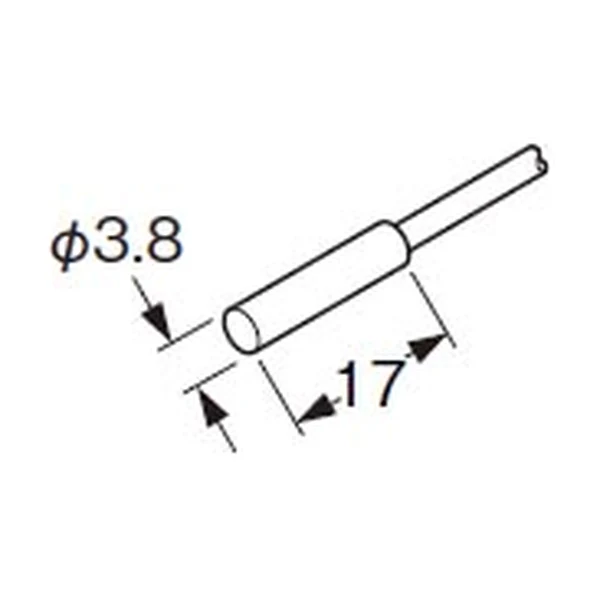
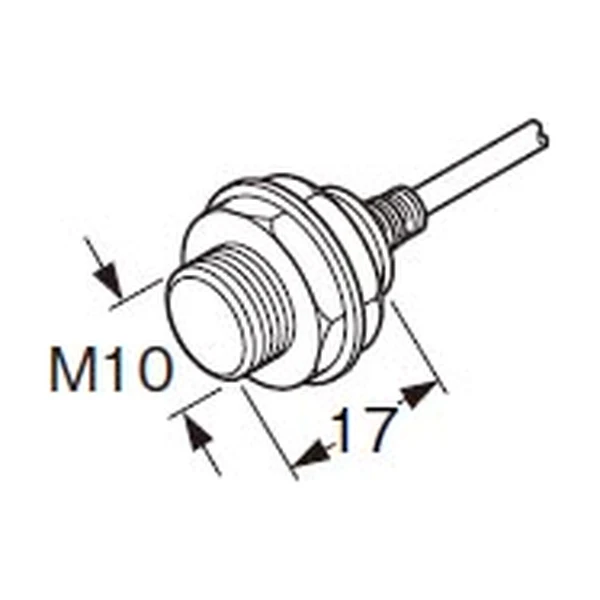
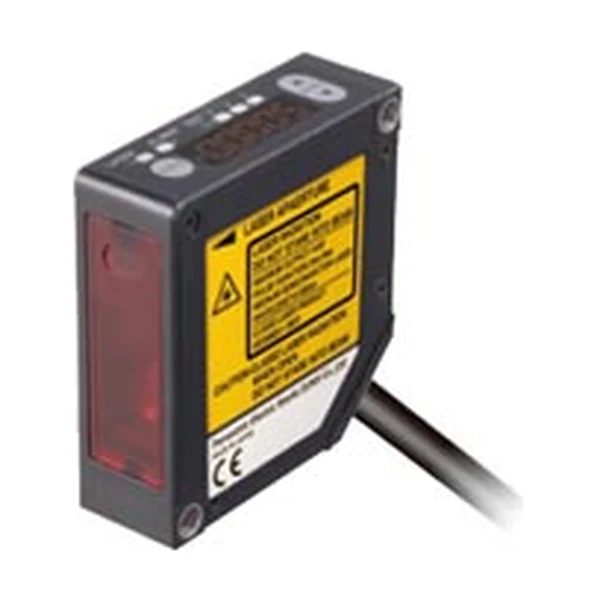
Offering high-precision position detection in metal machining and quality control processes, PANASONIC GP-X eddy current sensors display ±0.3% F.S. linearity on stainless steel and iron targets, with material parameters for stainless steel, iron, and aluminum pre-programmed in the controller unit. Featuring a standard sensing target of a 60 × 60 × 1 mm stainless steel or cold-rolled carbon steel plate and executing 40,000 measurements per second at a 25 µs sampling period, this series performs end-of-stroke, shaft runout, and height detection tasks with its IP67G oil-resistant head structure. Providing an alternative laser measurement method, the PANASONIC HL-G1 series includes eccentricity detection on metal shafts, sheet thickness measurement, and sheet sag tests among its examples.
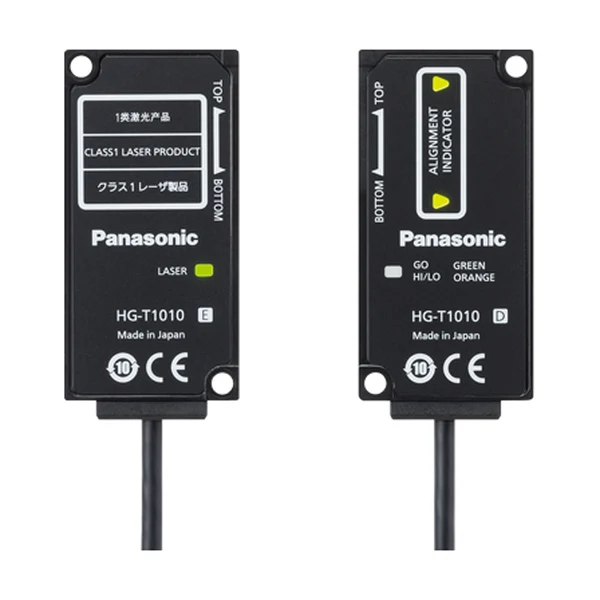
Thanks to their unique head architecture and algorithm, PANASONIC HG-T laser sensors perform shaft diameter and roller gap measurements stably without being affected by secondary reflections from metal surfaces. Application examples of the PANASONIC HG-C include front/rear cover surface differentiation on casting parts as well as panel and part thickness measurement. In splash-prone working areas, product documentation emphasizes verifying the oil resistance capability of GP-X sensor heads prior to installation.
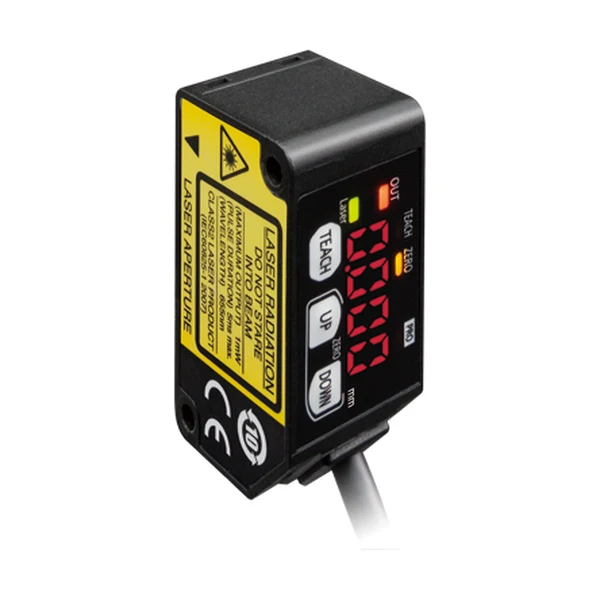
13. Non-contact temperature measurement on hot metal
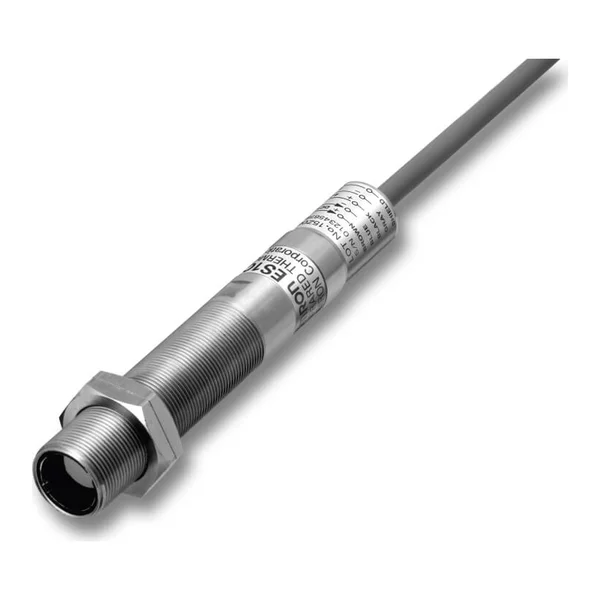
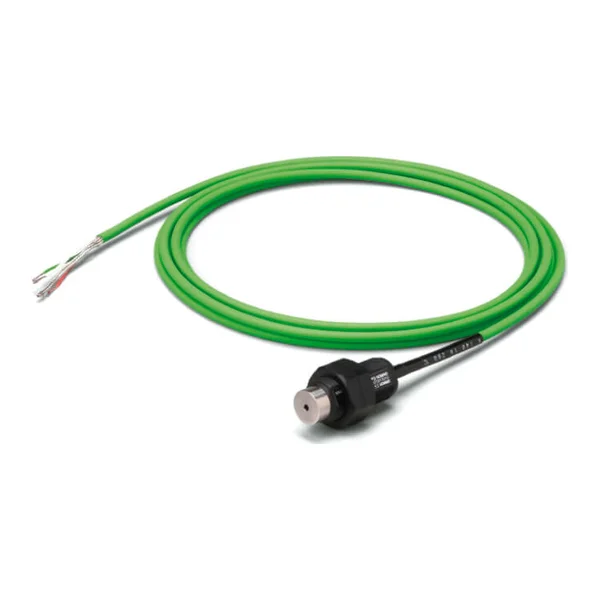
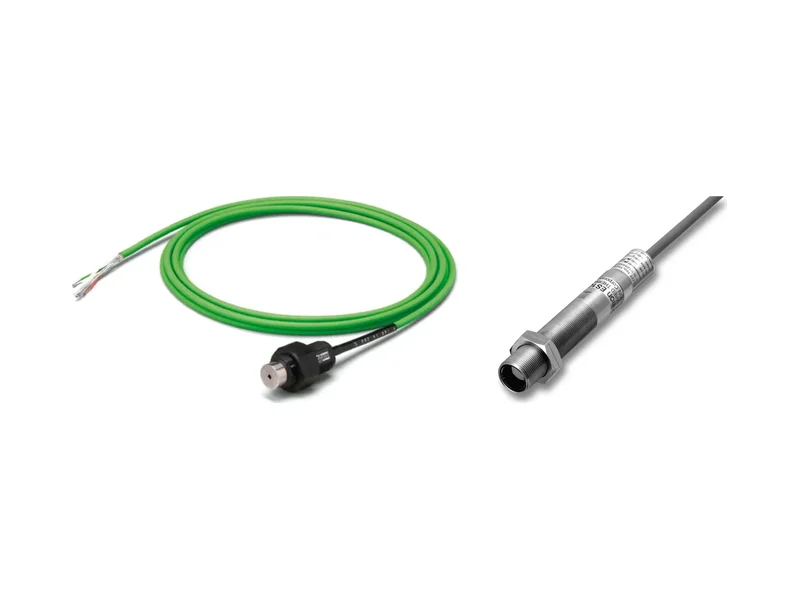
For non-contact temperature monitoring in hot metal processes, the OMRON ES1C infrared sensor measures in the range of 0 to 400 °C, providing a 4–20 mA current output, with its emissivity value fixed at 0.95. Since shiny metal surfaces have low emissivity, OMRON technical data shows that polished steel has a value of 0.07, thin rolled sheet steel 0.66, rusted sheet iron 0.69, unpolished sheet steel 0.94–0.97, oxidized matte wrought iron 0.94, and commercial aluminum sheet 0.09; in cases where emissivity remains below 0.9, ambient temperature will cause deviations, so selecting a high-emissivity area or using black spray and black tape is recommended. In installations monitoring high-temperature objects, the OMRON ES1B mounting manual states that a shield or similar protective barrier must be used to prevent the sensor from overheating.
| Surface (OMRON ES1C table) | Emissivity |
|---|---|
| Bright steel | 0,07 |
| Commercial aluminum sheet metal | 0,09 |
| Thin rolled steel sheet metal | 0,66 |
| Rusted iron sheet metal | 0,69 |
| Unpolished steel sheet metal | 0,94–0,97 |
14. Position detection in cranes and heavy-duty machinery
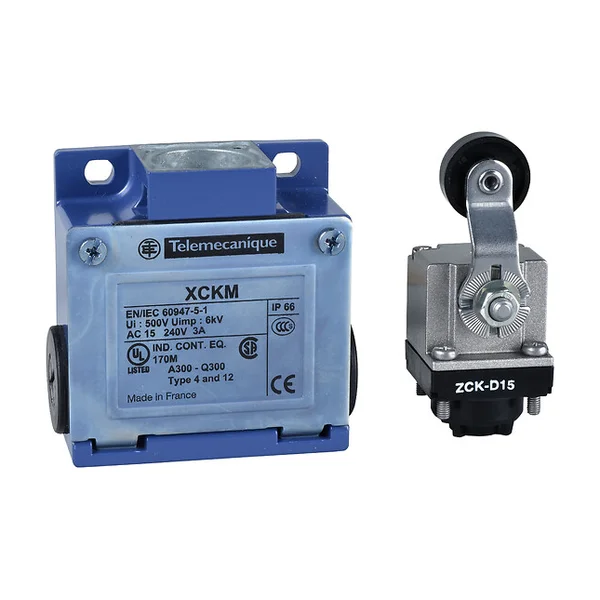
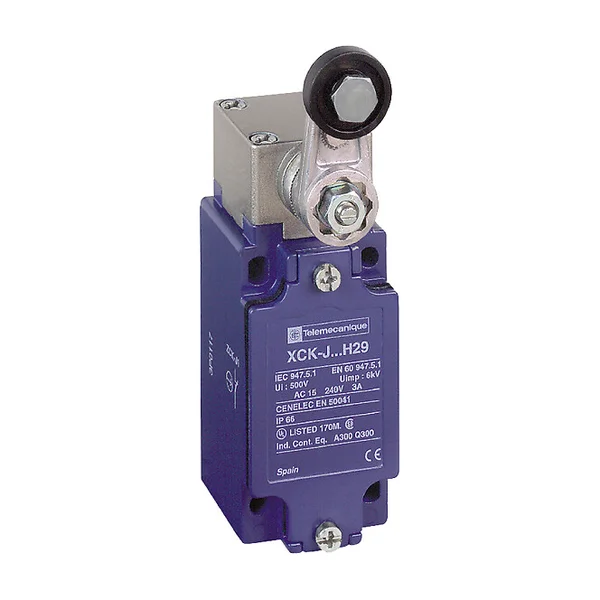
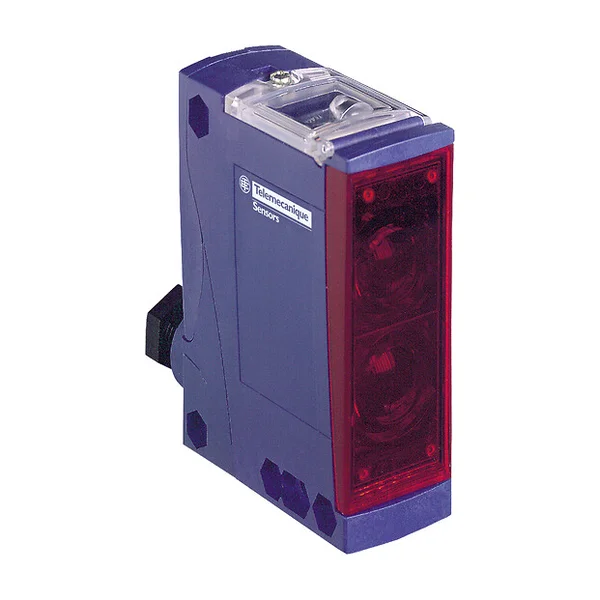
In TELEMECANIQUE solutions providing position tracking in overhead and gantry crane applications, XCKM limit switches with positive opening structures are featured for overtravel detection in trolley movements; the brochure mentions XUX and XUK9T photoelectric sensors together for long-distance sensing, but the anti-collision function detecting another crane belongs to XUK9T, which is not available at FST. While miniature XCMD switches are positioned on block crane drums to execute up and down control with stopping for vertical movement, system components include models such as references XCKD2118P16, XCKM115H29, and XCMD2110L1, as well as XUX9ARCNT16, which reaches a sensing distance of 11 m with the XUZC50 reflector. Featuring a Zamak metal body structure, the XCKM115H29 model stands out with its snap-action contact mechanism, IP66 protection class, 15 million cycles of mechanical life, and an operating temperature range of -25 to 70 °C.
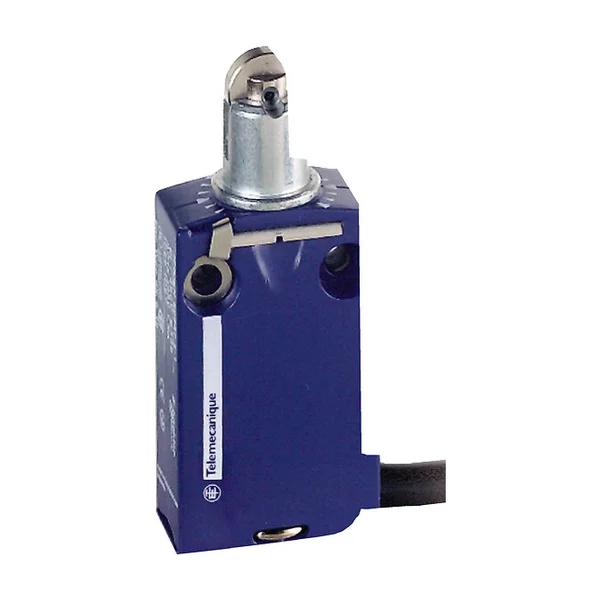
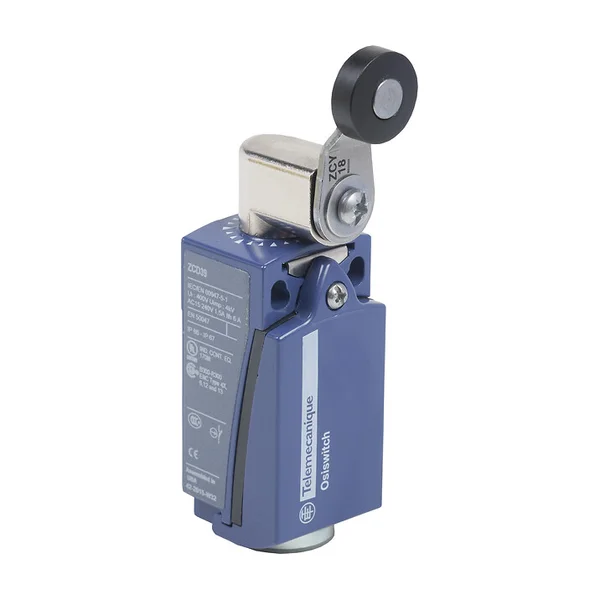
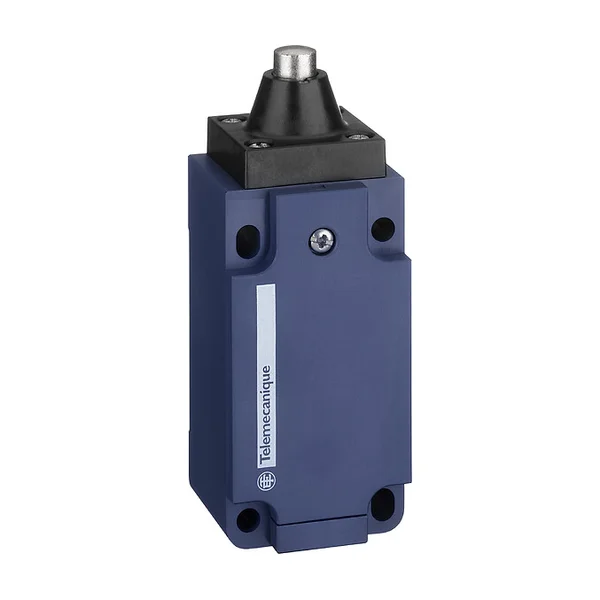
For heavy-duty conditions in industrial facilities, TELEMECANIQUE defines the EN 50041 standard-format XCKJ series as a snap-action positive contact structure featuring the most robust head in its class, while offering the XCKM series as a versatile metal-body option for medium-duty applications. Manufactured with a Zamak body and head structure, the metal plunger XCKJ161 model exhibits high durability with IP66 protection class and a mechanical lifespan of 30 million cycles, whereas miniature switch series are preferred in space-constrained machinery in harsh environments. TELEMECANIQUE cites machine tools, material handling, and conveyors among the applications for its standard limit switches.
15. Identification via RFID on coil radius and metal surfaces
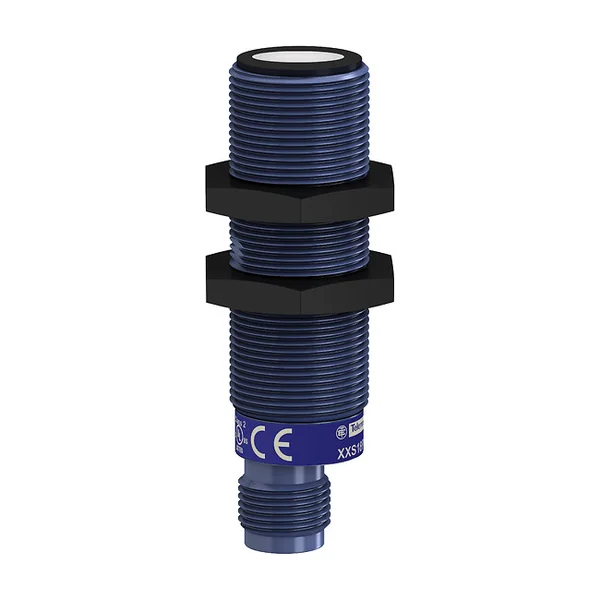
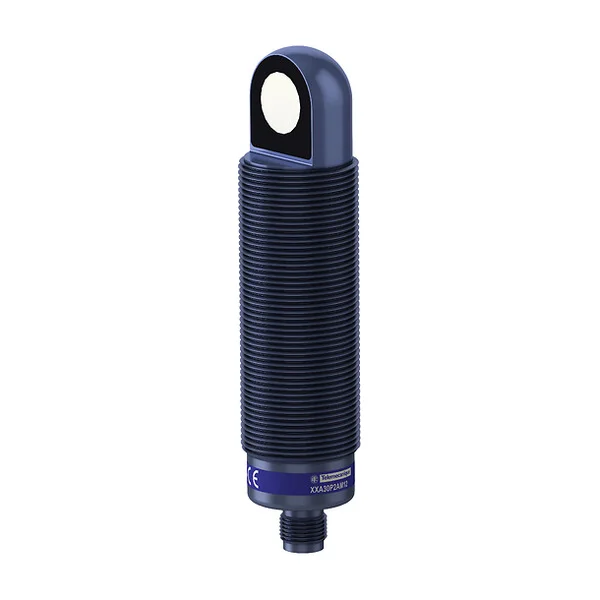
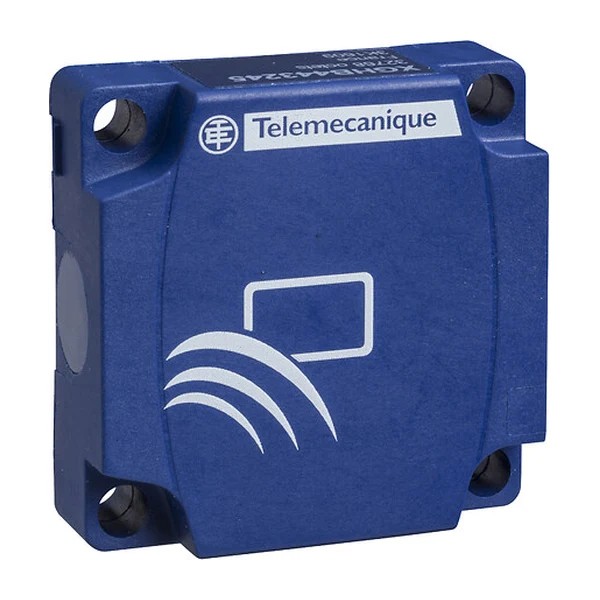
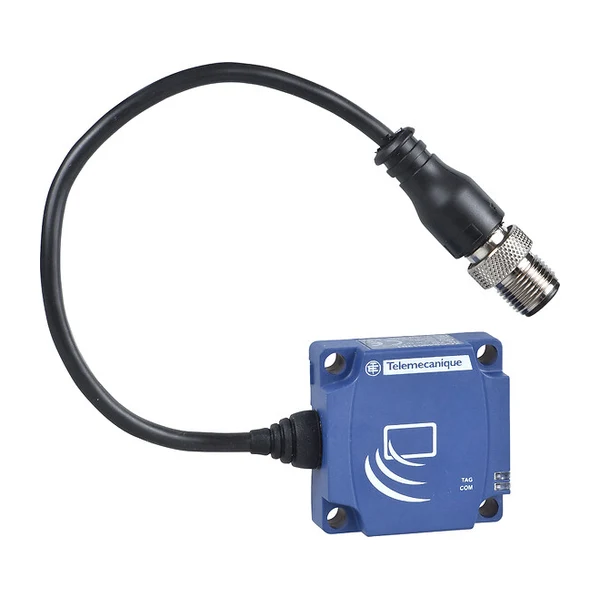
In continuous material processing and line control, TELEMECANIQUE XX ultrasonic sensors perform non-contact sensing independently of the target’s metal, plastic, or cardboard material, color, and transparency, and are used for coil radius tracking and web process control in regulation applications with analog output. While the XX518 model is indicated for metal material detection, the M18-sized XXS18P1AM12 model with a 1 m sensing distance and the IP65/IP67-protected M30 right-angle XXA30P2AM12 model with a 2 m sensing distance offer a 4–20 mA analog output. On the in-facility traceability side, TELEMECANIQUE XG RFID readers exhibit low sensitivity to metal environments and are integrated into flexible lines; IP68 tags such as XGHB221346, XGHB444345, and XGHB440245 can be mounted on metal surfaces, though in the presence of metal, for example, the reading distance of the XGHB221346 model may decrease from 40 mm to 30 mm.
In die and fixture management using the OMRON V680 RFID system, when RF tags are attached to dies and reader antennas to molding machines, mold information is read to track total press time and stroke counts, preventing defective production through automatic checks in case of incorrect die usage. The V680 series includes embeddable-in-metal tags such as V680-D1KP52MT, V680-D1KP53M, and V680-D2KF52M, as well as surface-mounted models on metal like V680-D1KP66MT and V680S-D2KF67M; in the guaranteed communication distance example, the V680-D2KF52M tag is provided as embedded in iron. When a reader or writer unit is embedded in metal for protection against impacts, the technical manual emphasizes that at least 80 mm spacing must be left between the metal frame and the reader, as closer placement reduces communication range.
16. Vibration and CNC spindle health in steel plants
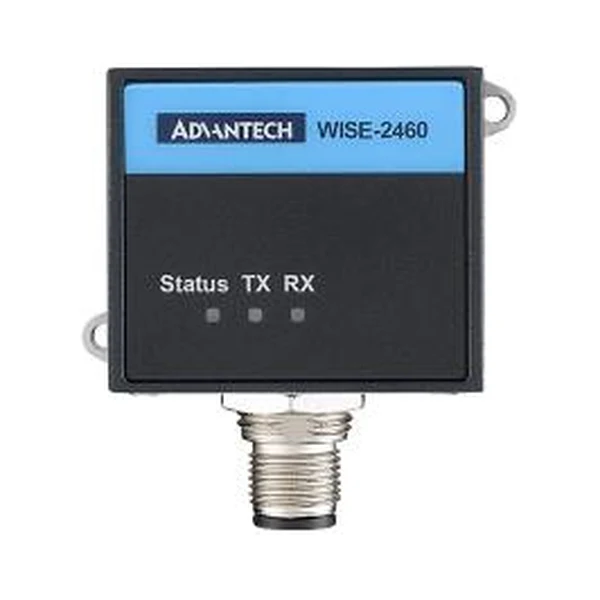
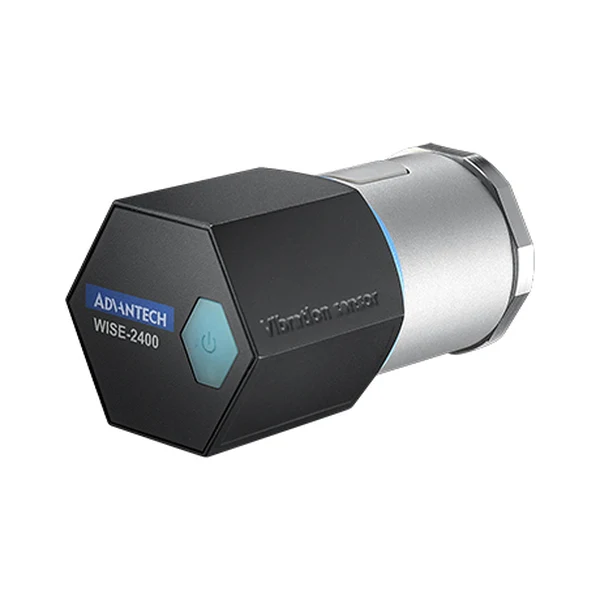
For equipment tracking on heavy industry lines, while the WISE-PaaS platform is implemented in remote diagnostics projects in cold rolling mills at steel manufacturers in ADVANTECH case studies, the WISE-2460 vibration sensor serving the steel and cement sectors is positioned to monitor gearboxes, motors, fans, compressors, and spindles. Measuring in the 5–10,000 Hz range along the Z-axis, with an amplitude limit of ±50 g, an IP68 housing, and an operating temperature of -20 to 105 °C, the WISE-2460 transfers data via RS-485 Modbus/RTU. In case studies from CNC machining sites, sensors are placed on spindles and tool holders, stating that cutting tool changes can stop the line for 4–6 hours, while maintenance in spindle failures can take days; on these lines where composites, aerospace metals, and titanium alloys cause heavy wear on the tool, collected data is transmitted to architectures generating spindle and tool health indices; in the case study, data is transferred to the MIC-770 V2 industrial computer, while FST offers the new version MIC-770 V3 with INTEL 12th, 13th, and 14th generation Core i processors from the same family.
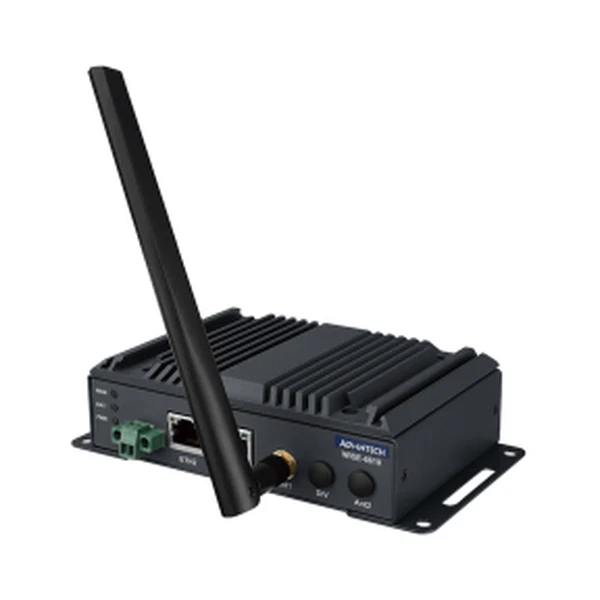
To overcome wiring challenges in areas featuring extreme heat-generating furnaces and large metal structures, ADVANTECH LoRaWAN wireless monitoring architectures are preferred. In the application at magnetic core manufacturer TCT, the IP66-rated WISE-2410 sensor is mounted on the compressor to compare RMS velocity and characteristic values against the ISO 10816-3 vibration standard, while collected data is transmitted to the cloud system via the WISE-6610 V2 gateway supporting Modbus/TCP, MQTT, BACnet, OPC UA protocols, and embedded Node-RED software. Thanks to this infrastructure, compressors, pumps, and motors are monitored remotely, providing anomaly predictions up to seven days in advance.
17. CNC machine data, machine vision computer, and operator panel
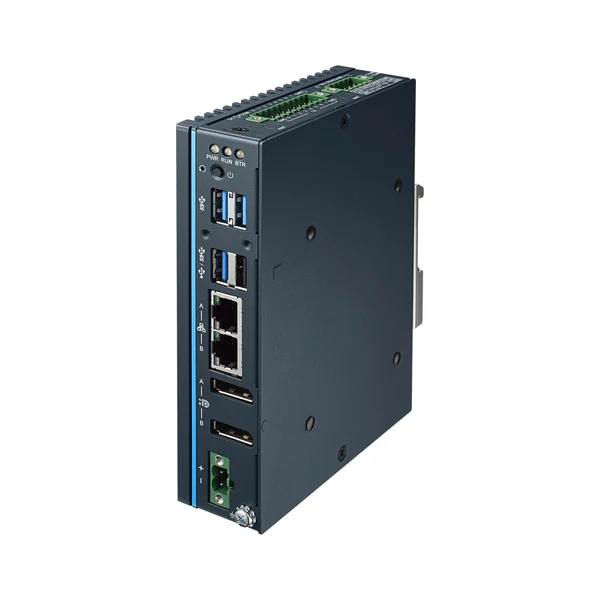
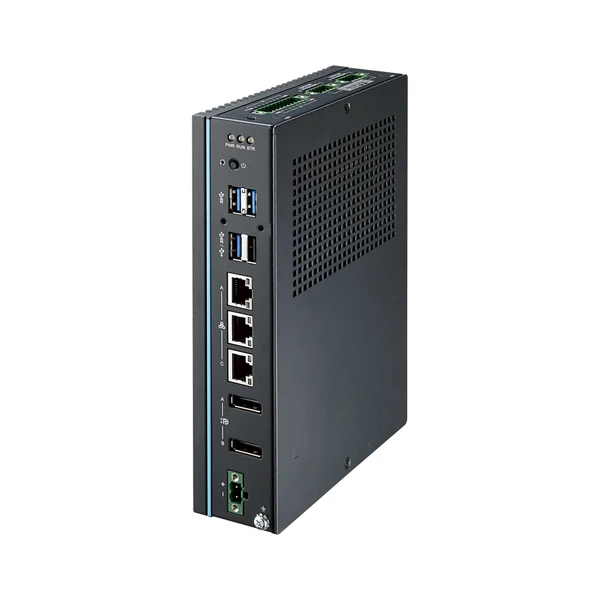
In ADVANTECH solutions where CNC performance is monitored in real time in metalworking facilities, alarm history analyses identify operator-induced double tool detection errors to increase capacity through training, while in the RE-DAI PRECISION case study, UNO-based gateways (the UNO-1372 in the case study is not available at FST) transmit load, speed, and temperature parameters to the MES system via MQTT. In control infrastructures that can connect to FANUC, SIEMENS, MITSUBISHI, HEIDENHAIN, and Brother machines, WISE-EdgeLink software supports over 200 protocols and buffers data for up to seven days in case of potential network interruptions. The ADVANTECH UNO-137 IoT edge device offered for factory automation provides built-in isolated DIO/COM ports, an operating temperature of -40 to 70 °C, a 10–36 VDC power supply, and TPM 2.0 security, and the built-in DI/O can be used directly in machine monitoring.
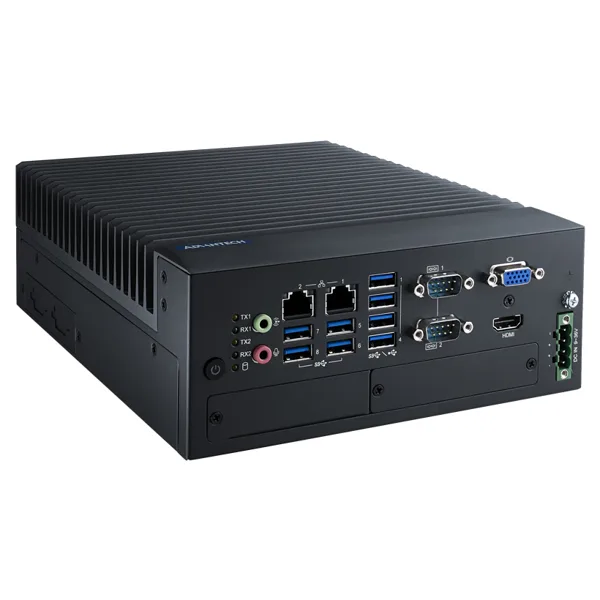
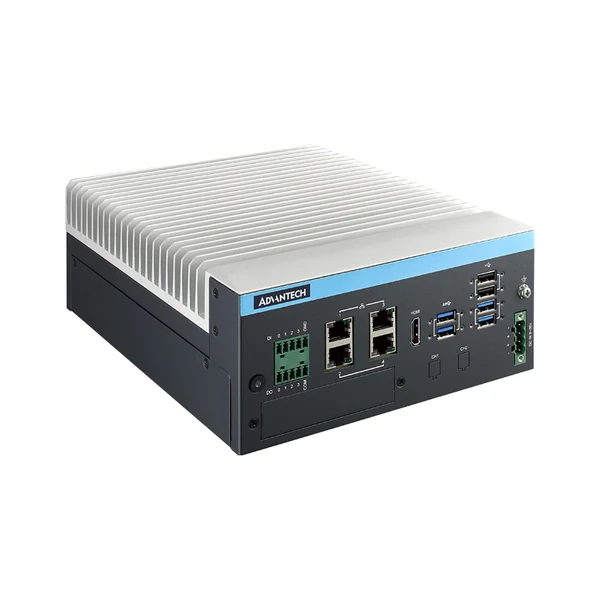
In inspecting surface defects on metal surfaces and irregular weld seams that are difficult to define with fixed rules, the ADVANTECH machine vision guide highlights anomaly detection models that learn normal appearance without defining every defect, alongside edge AI computers. In this context, the MIC-770 V3 powered by 14th gen Intel Core and the MIC-75G20 GPU module are recommended for multi-camera component AI AOI inspection, while the MIC-733-AO featuring NVIDIA Jetson AGX Orin architecture is deployed in robotic inspection processes. ADVANTECH states that HMINavi HMI software, which connects over 500 PLC protocols, supports production planning and quality control in metal fabrication and runs on every x86 Windows platform; the PPC-300 RPL fanless panel PC at FST with an IP66 front panel and 13th gen Intel Core processor is such a platform, whereas the FPM-715 with a die-cast aluminum chassis is an industrial monitor.
Which product for which requirement?
| Requirement | Product group |
|---|---|
| Plate, sheet metal, and foil surface | HIKROBOT CL line scan, LED lights |
| Press and casting part inspection, measurement | HIKROBOT CH cameras, SC3000, DP profile sensors |
| Weld seam 3D inspection | HIKROBOT DP profile sensors |
| DPM code reading | HIKROBOT ID5000, ID3000, IDH9000B |
| Robot loading and unloading | HIKROBOT RoboScan, RoboScan Ultra |
| Machine tool and press safety | OMRON D4SL-N / F3SG-R, TELEMECANIQUE XCS / XUSL4, PANASONIC SF4D |
| Metal detection, welding and cutting oil environments | OMRON E2B / WL-N, PANASONIC GX-F, TELEMECANIQUE XS |
| Precision measurement and temperature | PANASONIC GP-X / HL-G1, OMRON ES1C |
| Crane, coil, and RFID | TELEMECANIQUE XCKM / XX / XG, OMRON V680 |
| Vibration, CNC data, and HMI | ADVANTECH WISE-2460, UNO-137, MIC-770 V3, PPC-300 |
Source: HIKROBOT case studies, product data, and trade fair news; OMRON safety component selection guide, machine safety catalog, F3SG-R, WL-N, E2B, TL-W, ES1C, and V680 documentation; PANASONIC SF4D, GX-F/H, GP-X, HL-G1, HG-T, and HG-C resources; TELEMECANIQUE lifting brochure, XC, XS, XX, XG, and XCS catalogs; ADVANTECH steel, CNC, and metal plant case studies and product pages. Images belong to HIKROBOT; robots in the images are not in the FST product range. Risk assessment and design of safety functions in machine safety are conducted on a project-by-project basis.
Tell us about your application
Share your part and material type (sheet metal, casting, foil), surface condition, line speed, environmental conditions (welding, cutting oil, temperature), and safety requirements; let’s select the camera, sensor, safety, and computer components together. In projects in this industry, FST Teknoloji delivers turnkey machine vision and system integration solutions with HIKROBOT hardware.