
Pharmaceutical & Medical
HIKROBOT code readers, cameras, and smart cameras are used to read traceability codes, visually inspect bottles and vials, and verify printing and assembly on pharmaceutical production, packaging, medical device, and laboratory automation lines. OMRON, PANASONIC, and TELEMECANIQUE products for sensor, distance measurement, and safety layers on filling, blister, labeling, and cartoning machines, as well as ADVANTECH products for operator panels and inspection computers, are also explained on this page with the manufacturers’ own application examples.
What does machine vision solve in pharmaceutical and medical manufacturing?
According to food and pharmaceutical sector data shared by HIKROBOT, vision-based code readers read codes printed on or coated with reflective materials, helping to track products throughout the supply chain and prevent counterfeit items. Introducing its solutions for pharmaceutical manufacturing, medical devices, and pharmaceutical distribution on November 19, 2024, HIKROBOT aims to meet fundamental inspection requirements in production processes with these structural solutions. On its relevant sector page, HIKROBOT treats packaging inspection and assembly verification as a separate application, emphasizing that early detection of assembly defects saves time and cost in cases where a single defect can affect an entire batch.
According to information from the same source, during the product quality inspection phase, the integrity of the product is verified immediately prior to packaging, with size, shape, color, and texture consistency being thoroughly checked. Checking the physical parameters of the product prior to packaging prevents non-conforming products from entering the packaging stage, contributing to the smooth and orderly progression of subsequent steps on the automation line.
1. Pharmaceutical traceability code and pharmaceutical box code reading
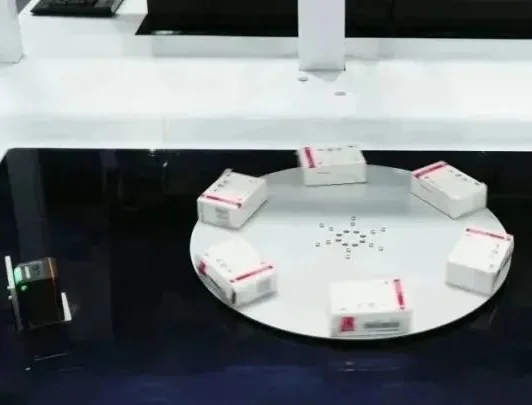
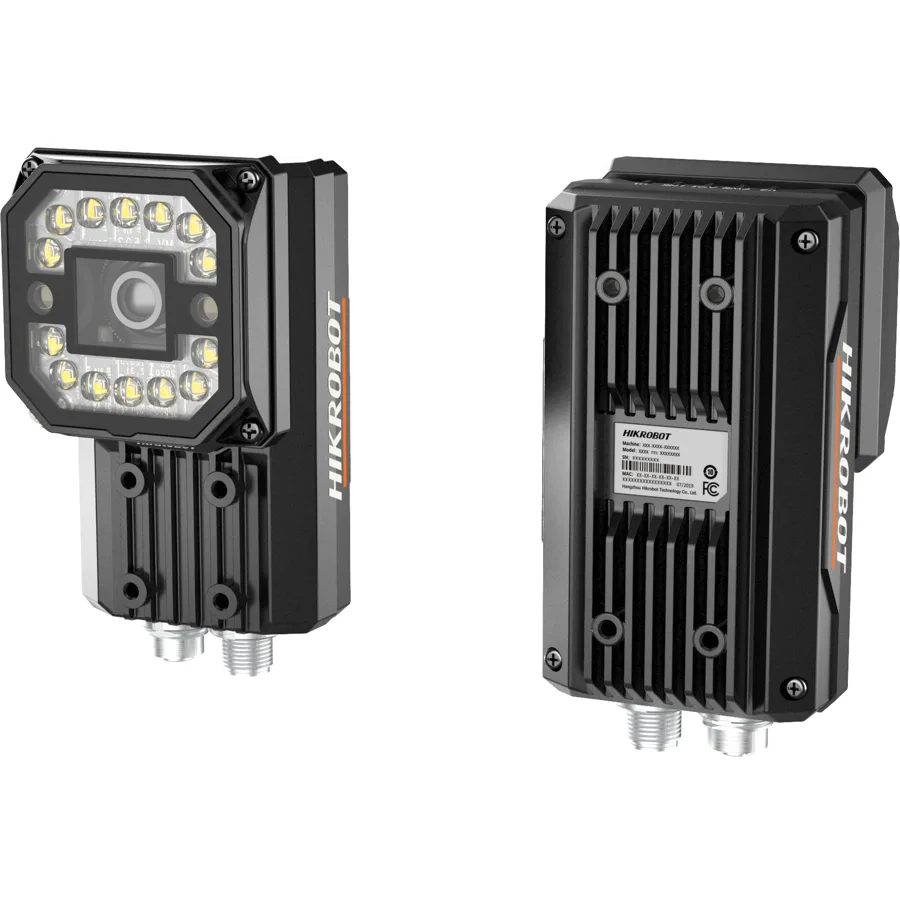
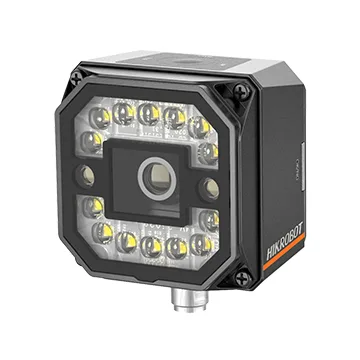
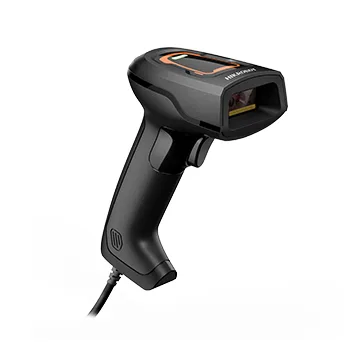
At its pharmaceutical industry solution launch on November 19, 2024, HIKROBOT announced an information collection solution addressing the requirement for complete reading of pharmaceutical traceability codes to increase reading efficiency and accuracy while lowering the barrier of use. While the solution image features a platform-type terminal, desktop pharmaceutical code recognition unit, and handheld reader, challenging codes such as reflections, scratches, low contrast, and broken dots are read with a misread rate below one in a million thanks to the deep learning core SoC. According to visual data of the same solution, the one-touch tuning feature performs adaptive adjustments with autofocus based on the pharmaceutical box and mounting distance, while supporting Ethernet, USB, and RS232 interfaces on the communication side.
While showcasing ID5000 series smart code readers at its CeMAT ASIA 2024 booth with a bulk reading application for pharmaceutical box codes, HIKROBOT states that the ID5200 series can read up to 200 DPM codes within a wide field of view and is suitable for the pharmaceutical industry. High-speed code reading of pharmaceutical boxes was demonstrated with the ID3000XM model at the 2023 China International Industry Fair; the ID3016XM in the series utilizes a global shutter CMOS sensor and a deep learning algorithm. While the 12 MP smart code reader with model code MV-ID5120M-00C-NNN features the pharmaceutical sector in its datasheet, the ID3050 reader switches to polarized mode via software without changing the polarization module, eliminating glare and targeting pharmaceutical applications.
2. Bottle and vial visual inspection
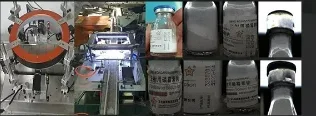
HIKROBOT states that in liquid and solid pharmaceutical production lines, it detects appearance defects on bottle bodies and foreign matters in liquid by combining high-resolution area scan cameras with deep learning algorithms. While plastic bottle body and in-liquid defect detection is performed in the liquid medicine light inspection machine solution, defect capture performance exceeding 99.9% throughout the day is achieved through the combination of the VM algorithm platform, AI training platform, and vision camera.
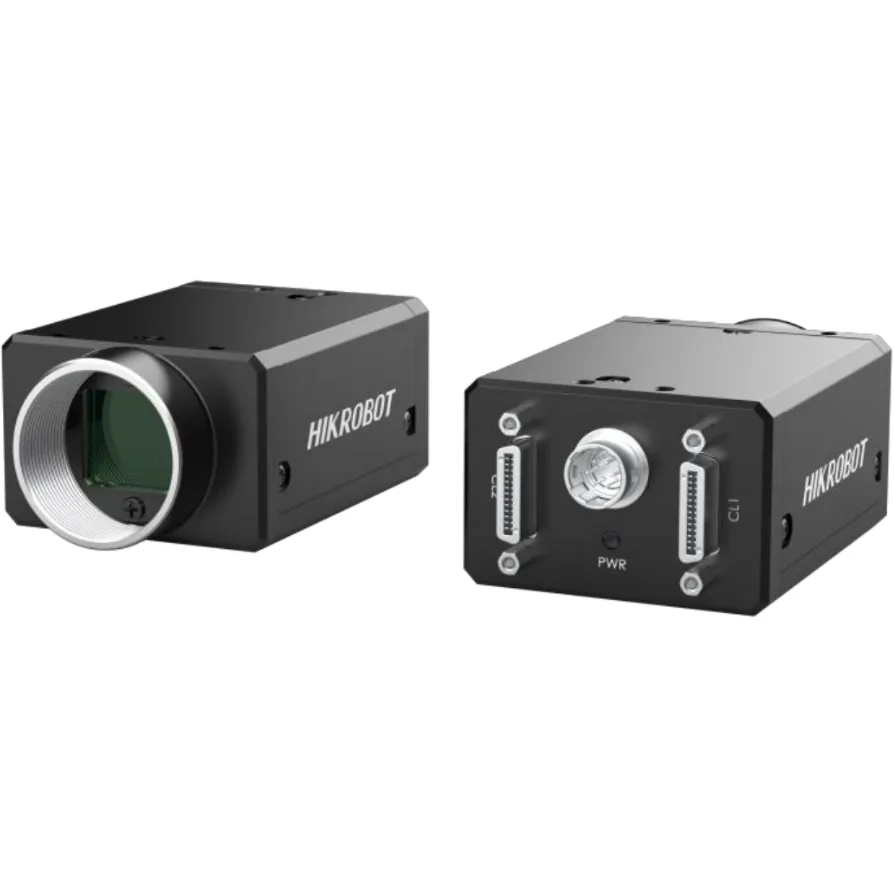
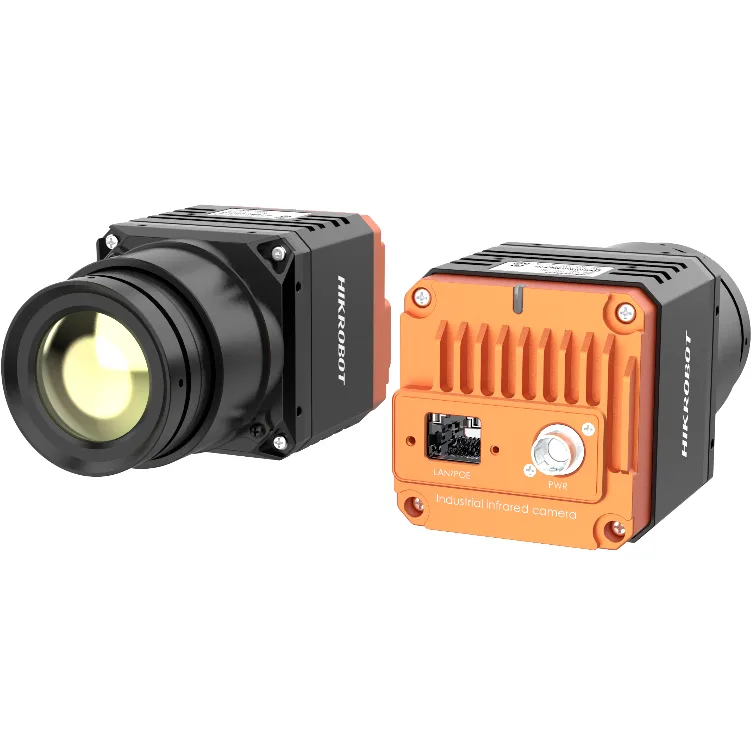
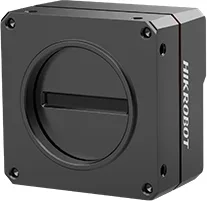
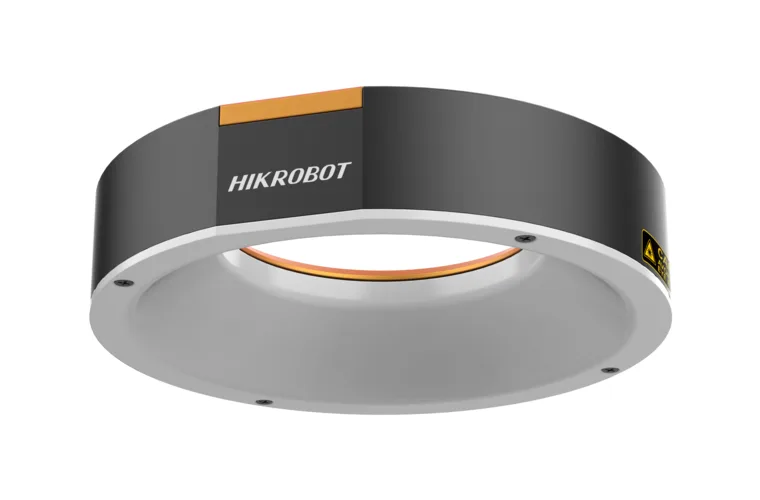
In solid pharmaceutical empty bottle appearance inspection, using the VM algorithm platform, vision camera, and ring light together, the total detection rate is stated as 99.99% at a line speed of 700 bottles/min. Presented under the Food and Pharma heading at the VISION 2024 event, SWIR cameras with InGaAs sensors operating in the 400–1700 nm spectral range were highlighted for standing out in glass bottle inspection. In addition, the MV-CL084-90CM line scan camera, which features the pharmaceutical production sector in its datasheet, provides a technical option in continuous bottle inspection applications on high-speed transport conveyors.
| Values from HIKROBOT solution examples | |
|---|---|
| Liquid pharmaceutical light inspection (plastic bottle body + defect in liquid) | All-day > 99.9% defect detection |
| External appearance inspection of empty solid pharmaceutical bottles | Total detection rate 99.99%; 700 bottles/min |
| Components | VM algorithm platform, vision camera; ring light on empty bottle |
Values are from solution and case examples published by HIKROBOT; design for your own line is conducted on a project basis.
3. Packaging, print verification (OCV), and assembly control
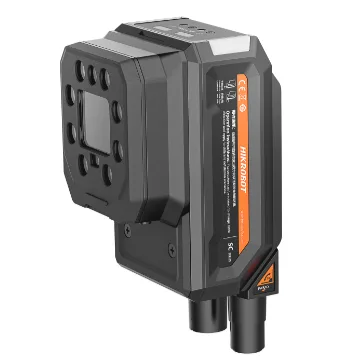
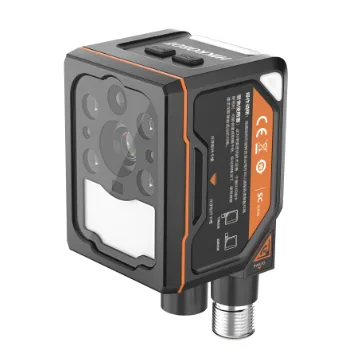
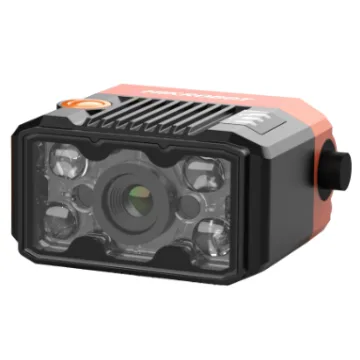
The SC6000 AI smart camera developed by HIKROBOT inspects defects such as missing, extra, and overlapping printed characters within 100 ms, executing character verification processes in pharmaceutical inspection applications. The SC3000 series smart cameras, on the other hand, can perform inspection across up to 16 positions simultaneously using more than 20 inspection tools, targeting food and pharmaceutical packaging applications.
On its food and pharmaceutical industry page, HIKROBOT treats packaging inspection and assembly verification as separate applications, stating that early detection of assembly defects saves time and costs in scenarios where a single defect can affect an entire batch. According to the product quality inspection approach in the same source, product integrity is verified immediately before packaging, along with checks for size, shape, color, and texture consistency.
4. Surface inspection of medical gloves and consumables
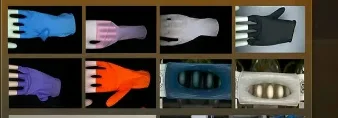
In HIKROBOT’s medical glove surface defect project, CCD area scan cameras and AI deep learning technologies were utilized together to reduce the total missed defect rate to below five in one hundred thousand. Thanks to this quality control application, overall line efficiency and product quality on production lines increased, while customer complaints on the end-user side decreased.
According to the data from the HIKROBOT glove solution visual, the visual tear and defective product rate decreases to 0.005% with AI quality control, while the rate on lines without visual inspection is recorded as 0.12%. While the system operates at a high-speed inspection capacity of 300 pcs/min, the visual data indicates a 95.83% reduction in the defective product rate through the implementation of an AI-based control architecture.
| Values from the HIKROBOT glove project | |
|---|---|
| Visual defective product rate (with AI quality control) | %0,005 |
| Without visual inspection | %0,12 |
| Inspection speed | 300 pcs/min |
| Reduction in defect rate | %95,83 |
Values are from solution and case examples published by HIKROBOT; design for your own line is conducted on a project basis.
5. Laboratory automation: test tube and chip code reading
In its medical test tube inspection solution based on SC series smart cameras, HIKROBOT states that the compact body structure fits into the narrow mounting spaces of medical devices, and that liquid level measurement, code reading, and tube classification operations are performed on the device. While tube label code and cap presence/absence checks are carried out during test tube inspection, the MV-SC2016EM-04S-Mini-WBN and MV-SC3030XC-04M-WBN models are listed under the medical inspection header on the booth visual display. Furthermore, ID5000 series smart code readers offer a reading speed of up to 90 codes/s and a wide field of view, presenting a structure suitable for reading barcodes on fast-moving test tubes in laboratories.
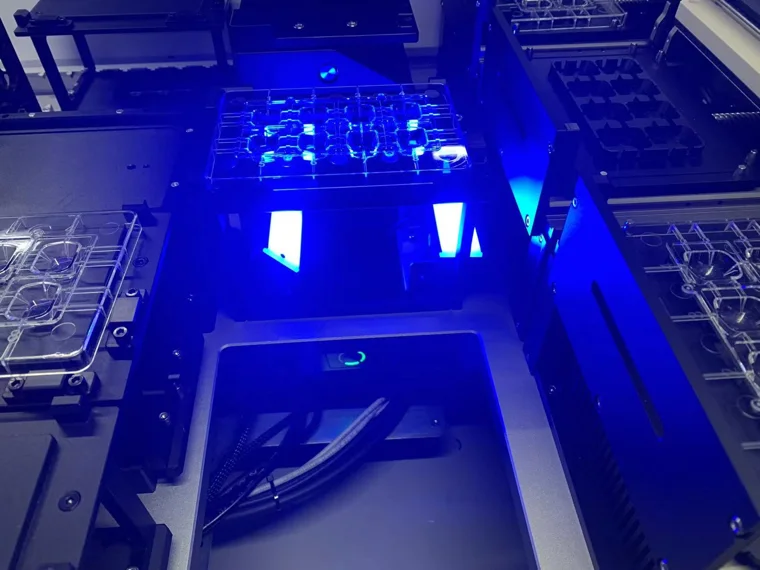
In the case involving a spatial transcriptomics device used for mRNA capture, glycerin-dipped chips are supported to read 8 chip codes in a single pass within 500 ms and produce sequential output. In this system configured with a reader from the HIKROBOT ID3000 family and a blue bar light, the read rate reaches 99.9% thanks to the multi-frame reading feature, while a fully polarized lens cover eliminates surface reflections.
| HIKROBOT case values (chip code reading) | |
|---|---|
| Code read in a single pass | 8 chip codes, sequential output |
| Read time | Within 500 ms |
| Read rate | 99.9% (multi-frame reading) |
Values are from solution and case examples published by HIKROBOT; design for your own line is conducted on a project basis.
6. Biomedical microscope imaging
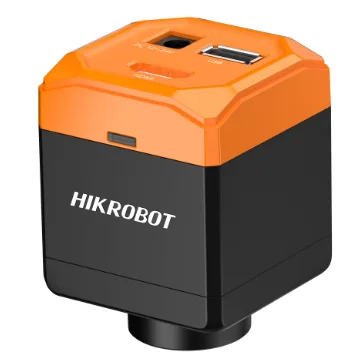
The HIKROBOT microscope HDMI imaging system enables detailed examination of microscopic samples thanks to internal geometric measurement and multi-color processing algorithms, and was introduced as a suitable solution for biomedical applications within the scope of VISION 2024. At the Automation World 2026 event, visual inspection of plant cells was performed with the same system, highlighting its suitability for medical applications, while at the 2024 China International Industry Fair, the system offering true color through in-camera color adjustment algorithms was exhibited in the biomedical and 3C visual inspection fields.
Packaging line, safety, and control components
Machine vision systems are only one layer of the line; components in filling, blister, labeling, and cartoning machines that detect the presence of the container, tablet, label, and carton, measure level and height, and monitor doors and access points must also operate in the same rhythm. The following PANASONIC examples are taken from PANASONIC Industry Europe’s packaging industry sensor selection guide and laboratory automation catalog, while TELEMECANIQUE examples are taken from the manufacturer’s packaging line application page and product datasheets; these sources are for general packaging machinery, not specific to pharmaceuticals. Meanwhile, OMRON explicitly mentions non-contact door switch monitoring in its G9SX brochure as suitable for the packaging, food, and pharmaceutical industries; information in the ADVANTECH section is based on the manufacturer’s HMI and automated quality inspection guides.
7. Blister packaging and tablet detection
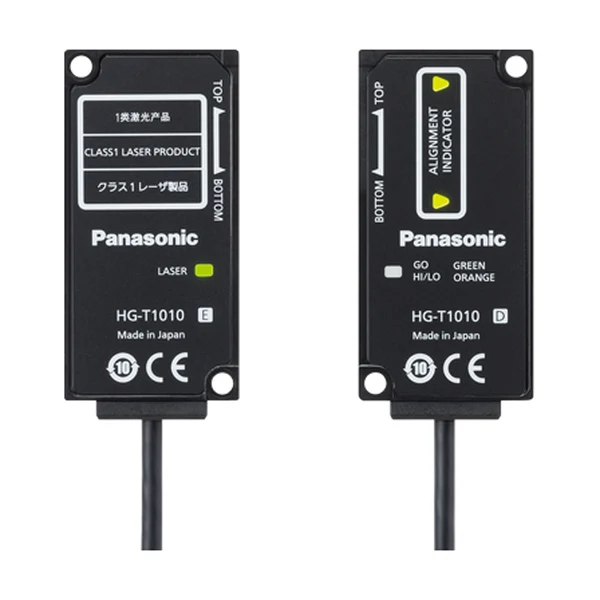
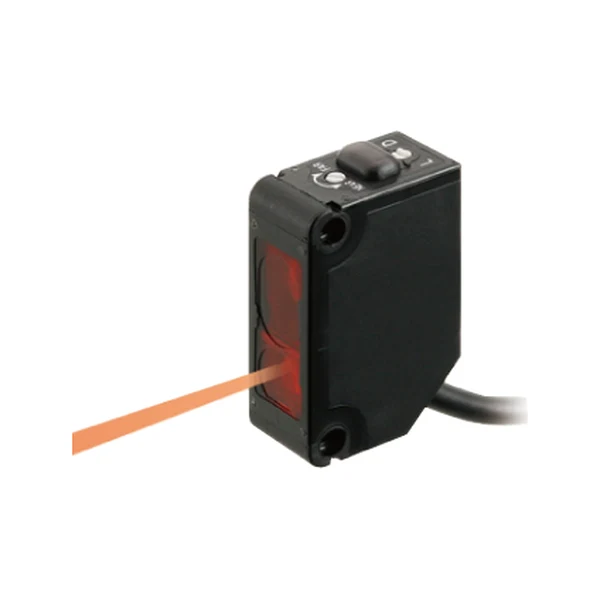
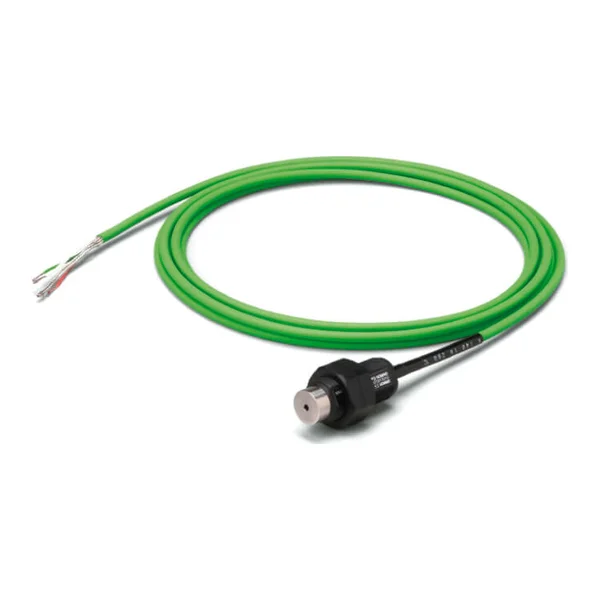
Positioned in the PANASONIC packaging industry sensor guide to monitor the filling level of the tablet hopper in blister packaging machines, the HG-C1400 laser distance sensor performs level measurement unaffected by tablet color and transmits the obtained data to the control system via a standard analog output. Since smooth advancement of the packaging material along the line prior to sealing is critical, the HG-T1010 sensor used together with the HG-TSV10 shown in the same source measures the curling condition of transparent film with high precision to correct the position of the winding mechanism. For detecting small tablets, the PANASONIC CX-400 series uses the FGS function to enable detection of minute objects without being affected by glossy backgrounds.
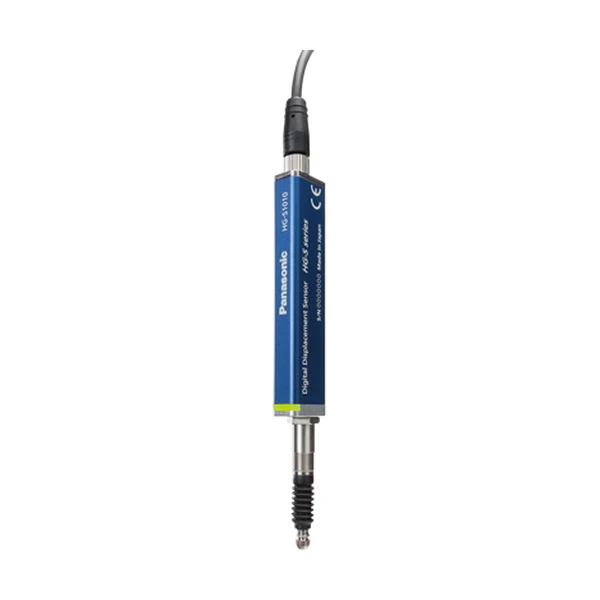
During the verification of physical form standards, the tablet surface flatness measurement scenario included in application examples of the PANASONIC HG-S contact displacement sensor and SC-HG1 communication unit enables the measurement of surface deviations. In the blister packaging sealing and lamination steps, as stated in the OMRON ES1B infrared thermosensor brochure, temperature values at the sealing point are measured directly using a non-contact method. Performing temperature measurement across four different ranges—10-70°C, 60-120°C, 115-165°C, and 140-260°C—with a response time of 300 ms, this IP65-protected sensor provides a K-type thermocouple equivalent output without wear, unlike traditional thermocouple devices, thanks to its non-contact structure.
8. Bottle filling, capping, and buffer area
For complete detection of containers on the bottling and capping line, the PANASONIC CX-481 retro-reflective sensor stably detects all types of containers, including highly transparent glass or plastic bottles, to monitor line flow. Used to inspect the conformity of placed caps, the PANASONIC HG-C1050 sensor measures cap height with high accuracy at a 30 μm resolution to distinguish incorrect caps, while the IO-Link models of the HG-C1000 family enable preventive maintenance and operational monitoring. On the TELEMECANIQUE packaging line page, XS inductive sensors are recommended for accurate and repeatable detection of filling nozzles at the filling and capping station, while XT capacitive sensors detecting insulating or conductive materials are positioned to monitor completion of filling. TELEMECANIQUE indicates that IP69K- or Ecolab-certified sensors are required to maintain device durability in detergent-cleaned filling machines; the XS4P18PA340 at FST belongs to this group with its PPS body, IP68 protection, and Ecolab certification.
Since the filling and capping machine determines the overall tempo of the line, a continuous supply of containers must be maintained in the buffer area. The TELEMECANIQUE packaging line guide recommends XX ultrasonic sensors, which are effective on transparent, dark-colored, and curved surface objects, to detect containers in the buffer area regardless of material reflectivity. Among right-angle models, the right-angle format of the XXA30P2AM12 diffuse ultrasonic sensor with a 90° head eliminates the need for additional mechanical parts, while XU photoelectric sensors featuring multiple technologies are used for accurate counting operations on the line.
At the exit stage of the filling and capping station, control points are created to reject incorrectly filled or capless containers from the line. The manufacturer TELEMECANIQUE recommends cylindrical XUB photoelectric sensors, such as the multimode XUB0APSNM12 featuring a right-angle connector structure and IP65, IP67, IP69K protection classes, for bottle sensing processes at this point. These detection processes performed at the station exit ensure that only compliant containers are transferred to the subsequent labeling and packaging steps.
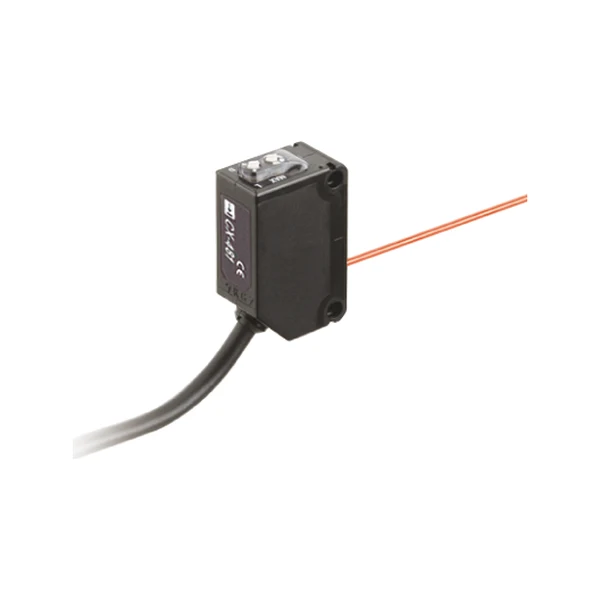 PANASONICCX-481Retro-reflective sensor detecting transparent objects
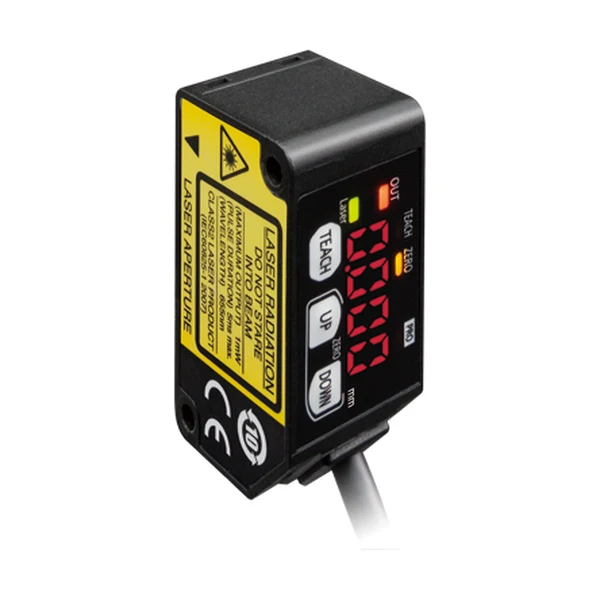 PANASONICHG-C1050CMOS laser distance sensor
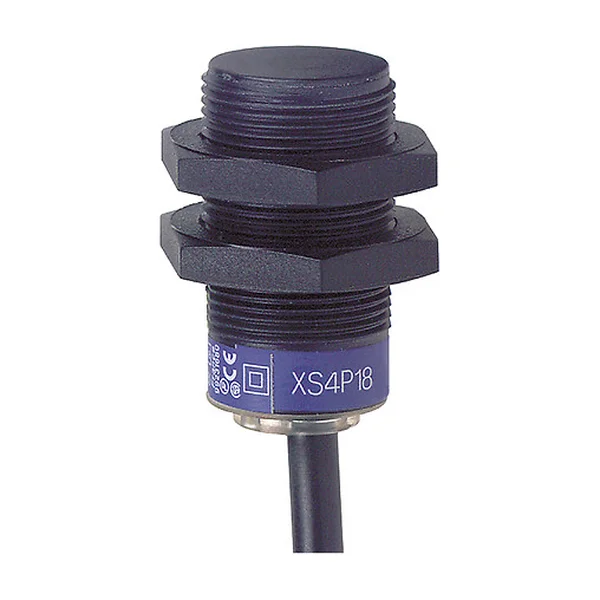 TELEMECANIQUEXS4P18PA340M18 PPS body inductive sensor, IP68
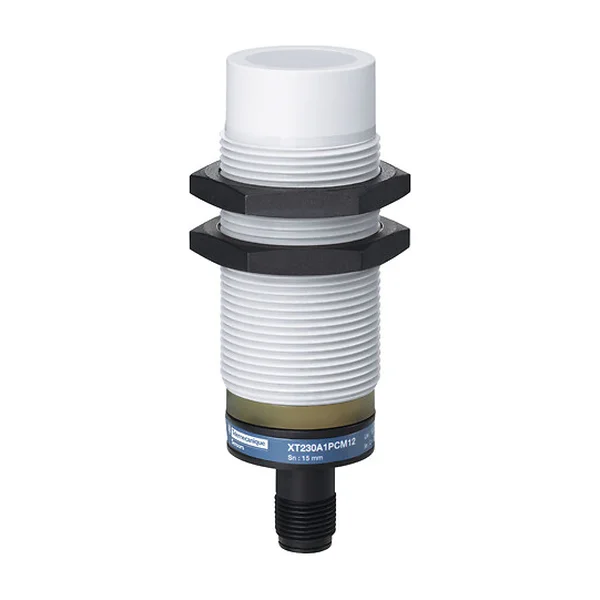 TELEMECANIQUEXT230A1PCM12M30 plastic body capacitive sensor
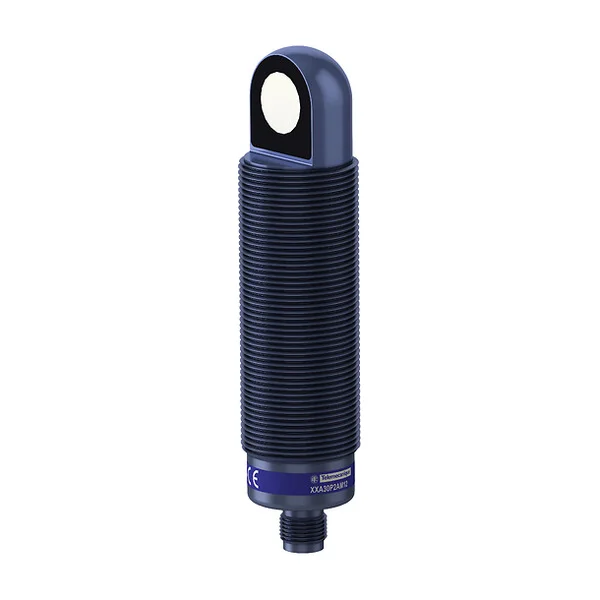 TELEMECANIQUEXXA30P2AM12M30, 90° angled ultrasonic sensor
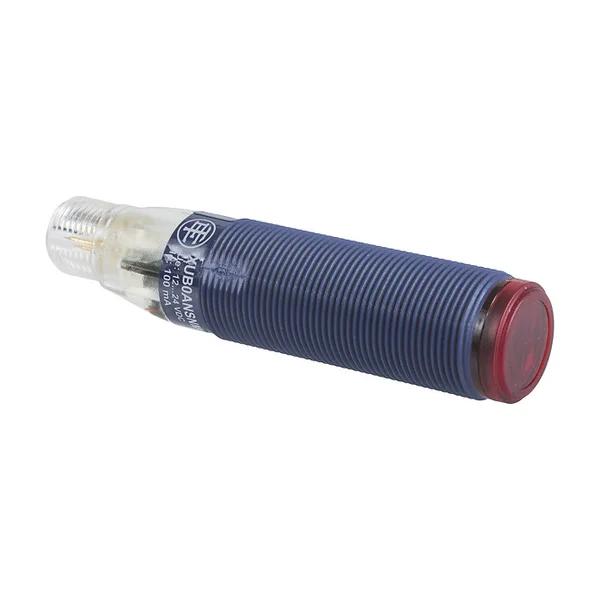 TELEMECANIQUEXUB0APSNM12Multimode cylindrical photoelectric sensor
9. Labeling and color mark detection
To verify the arrival of the container on the conveyor in labeling machines, the CX-481 sensor is recommended on the PANASONIC labeling machine page to detect highly transparent bottles. To ensure smooth operation in the feeding unit, the detection of label quantity in the label magazine is demonstrated in the EX-30 series application example, while transparent labels on transparent sheets are tracked with the FX-250. In checking label presence or absence, stable detection is achieved even with transparent labels that saturate the receiver by utilizing the light emission amount selection feature of the PANASONIC FX-300 fiber amplifier.
For accurate positioning of the label on the container, the TELEMECANIQUE packaging guide emphasizes that accurate and fast-responding sensors limit label waste. The manufacturer recommends opposed thru-beam ultrasonic fork sensors, such as the XUVU06M3PSNM8 with a nominal sensing distance of 3 mm and IP65 protection, for detecting transparent labels. Designed for packaging and labeling applications, the XUMRACAYM8 product in the TELEMECANIQUE XU photoelectric family functions as a color mark reader with IP67 and IP69K ratings.
In register mark tracking on packaging, the OMRON E3S-DC sensor provides reliable color mark detection with a 50 μs response time, bank switching capability up to 9 memories, and IO-Link support. According to the OMRON color mark brochure, the E3S-DC and the E3NX-CA fiber amplifier with a separate sensing head stably detect glossy packaging such as vapor-deposited aluminum with the sensor mounted directly above. On vertical packaging machines, the PANASONIC LX-101 product performs register mark detection with a 45 μs response time in Mark mode, and through detailed analysis based on RGB ratios in Color mode.
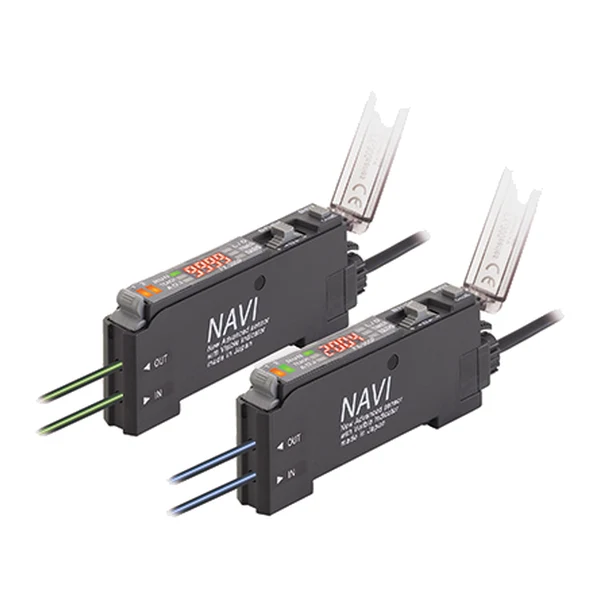 PANASONICFX-300Fiber amplifier
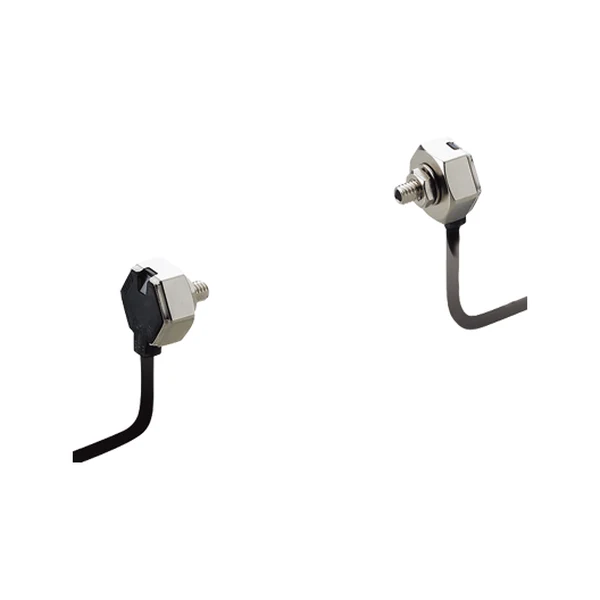 PANASONICEX-31Miniature thru-beam sensor
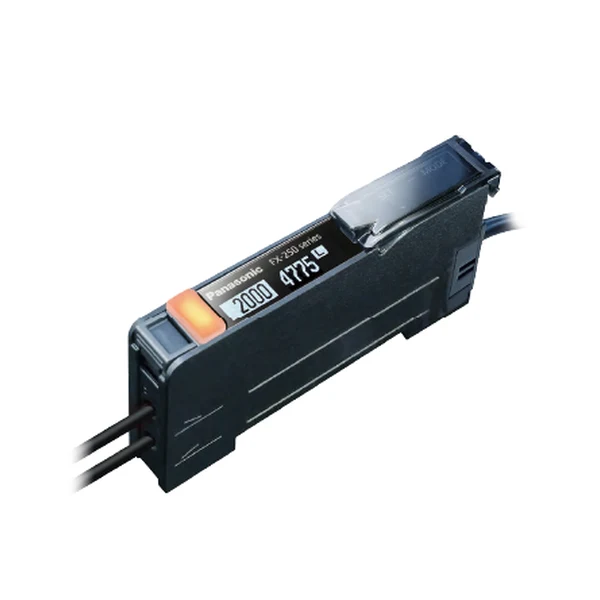 PANASONICFX-250Fiber amplifier
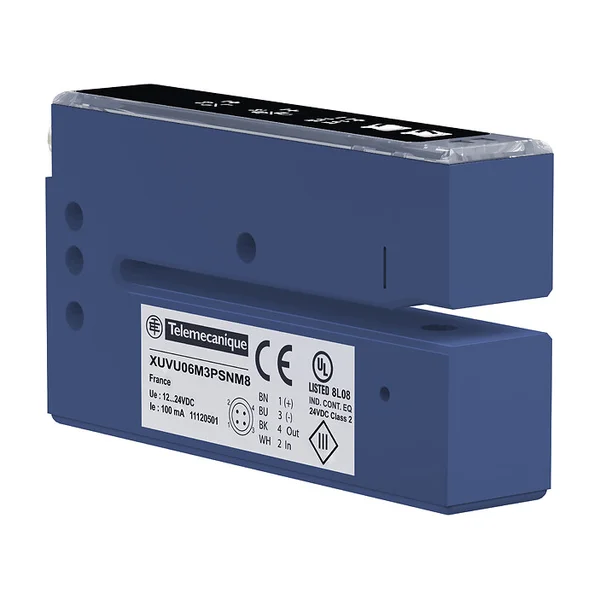 TELEMECANIQUEXUVU06M3PSNM8Ultrasonic fork sensor, transparent label
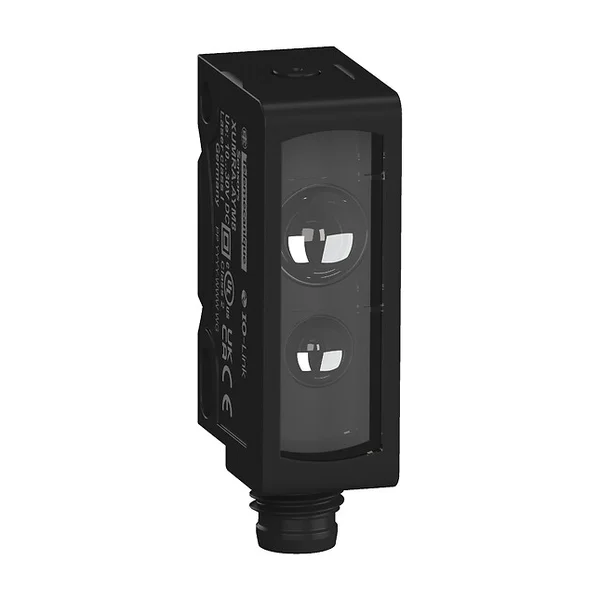 TELEMECANIQUEXUMRACAYM8Color mark reader, IP67 / IP69K
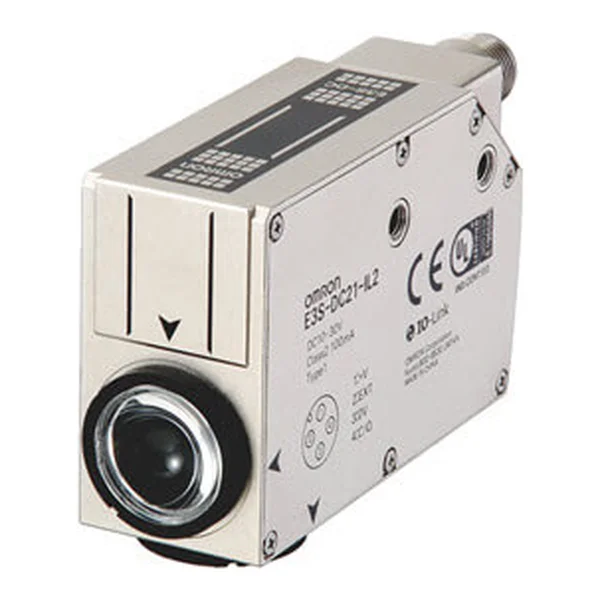 OMRONE3S-DCColor mark sensor, 50 μs
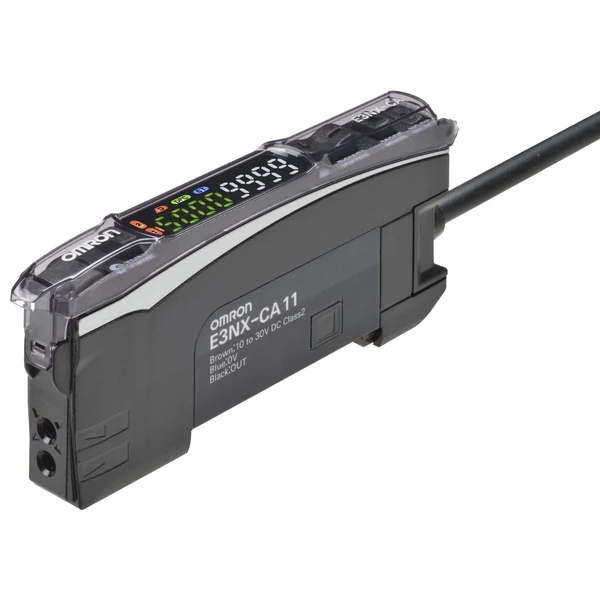 OMRONE3NX-CASeparate head color fiber amplifier
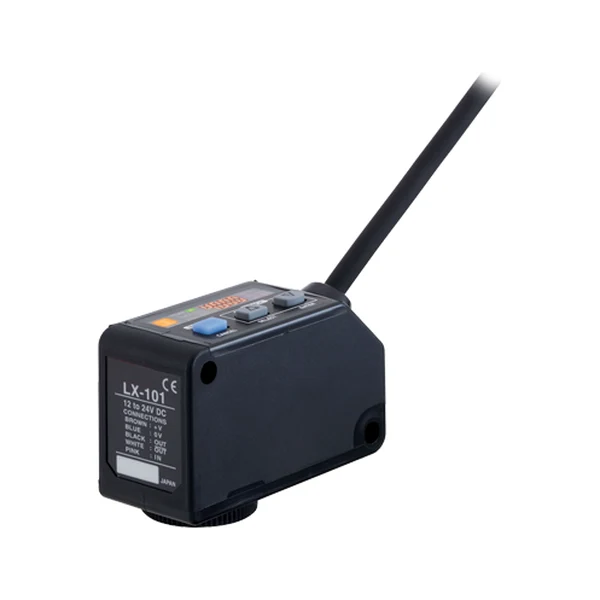 PANASONICLX-101Color mark sensorPANASONICCX-481Retro-reflective sensor detecting transparent objects
10. Transparent film, packaging machine, and fiber sensors
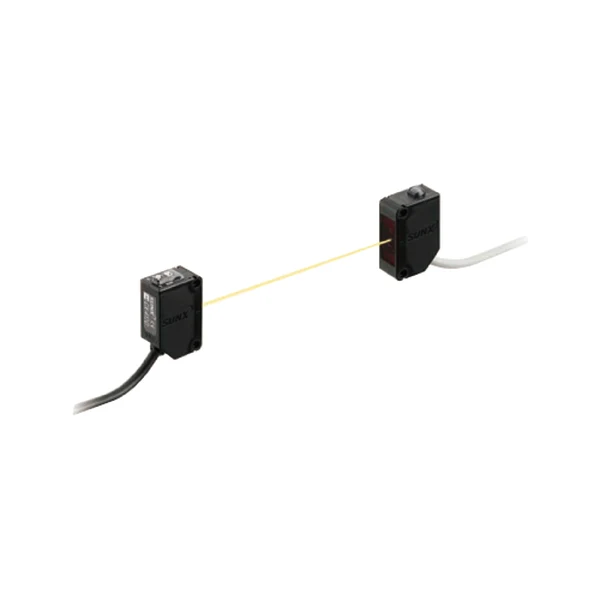
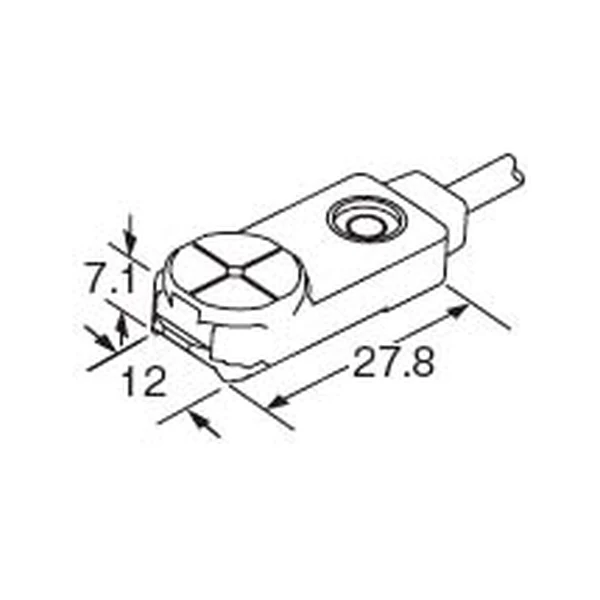
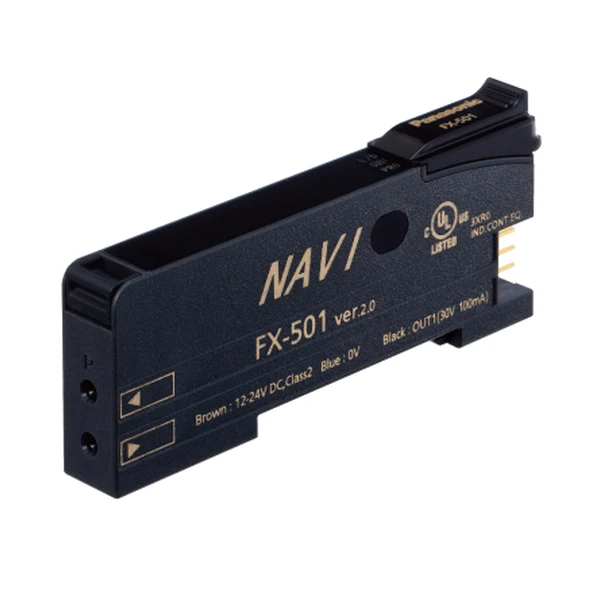
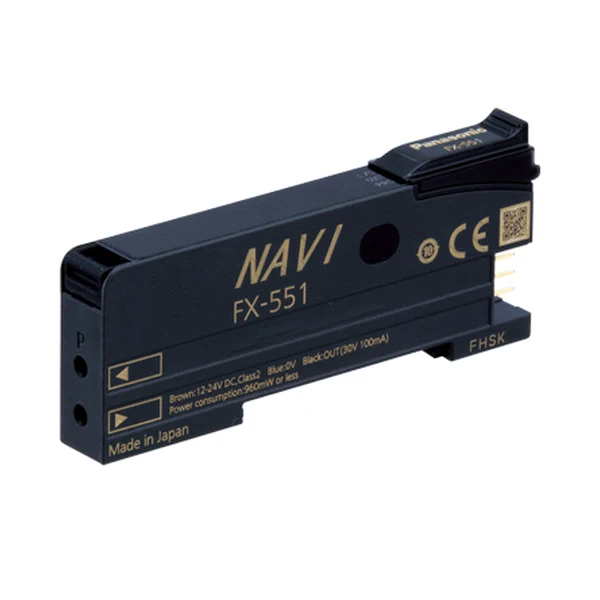
To detect packages on the line in packaging machines, the PANASONIC HG-C1200 sensor detects package presence on the conveyor without being affected by the color or gloss of the material. Used in horizontal packaging machines, the high-power PANASONIC CX-413 sensor with infrared light helps prevent seal defects by detecting content shift within the film. For tension control in thermoform vacuum packaging systems, the IP68G-protected GX-F12A rectangular inductive sensor detects coil origin, while the FX-500 series carries out film edge tracking via changes in light quantity through transparent sheet detection. In high-temperature shrink machines, fiber units resistant up to 350 °C are preferred, and light variations caused by temperature fluctuations are reduced with the FX-550 amplifier.
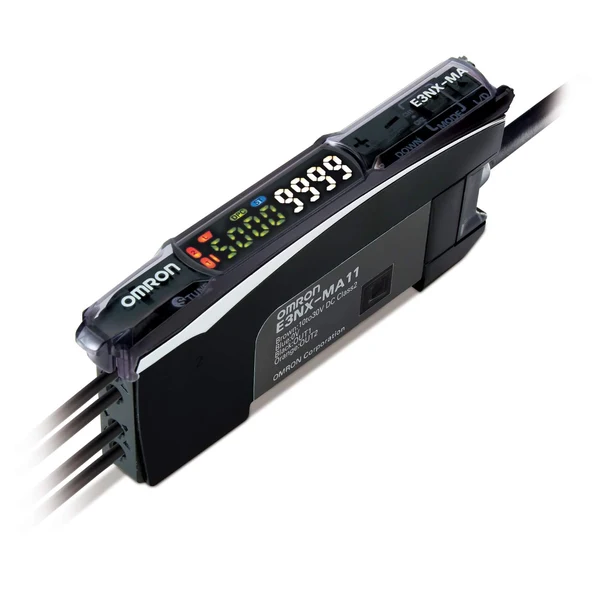
On lines with high material diversity, the OMRON E3NX-MA 2-channel fiber amplifier maintains stable detection performance from transparent objects to workpieces with low reflectivity. Automatically adjusting light intensity and threshold values, this amplifier reduces the need for manual calibration on complex packaging surfaces. In addition, OMRON E32 special application fiber heads offer solutions in the detection processes of special objects such as liquid levels, transparent foils, and color marks.
11. Cartoning, case packing, and palletizing
In the feed section of cartoning machines, the PANASONIC HG-C1100 laser sensor measures the height of the cardboard stack without being affected by cardboard color, tracking the amount of packaging remaining in the magazine. Positioned on the same machine to verify that box lids are correctly closed, the PANASONIC HG-C1050 spot laser sensor inspects whether the condition of the box lid is normal. Presence and absence control of small bottles prior to packaging is also among the applications listed for the same machine.
At the exit of the cartoning station, TELEMECANIQUE wide-beam XX ultrasonic sensors detect the random positions of cartons in order to engage conveyor drives and prevent line jams. For carton jam detection, the manufacturer recommends the IP65-, IP67-, and IP69K-rated XXW54P3APL01DM6 model with a 3 m nominal sensing distance; while positioning XT5 capacitive sensors for pallet feeding on the conveyor and XXS ultrasonic sensors for pallet level tracking. At the stretch wrapping station, vibration-resistant XCKP limit switches are used to monitor upper and lower overtravels, whereas XX ultrasonic sensors with analog outputs are preferred to anticipate when the film roll is running out.
PANASONICHG-C1100CMOS laser distance sensor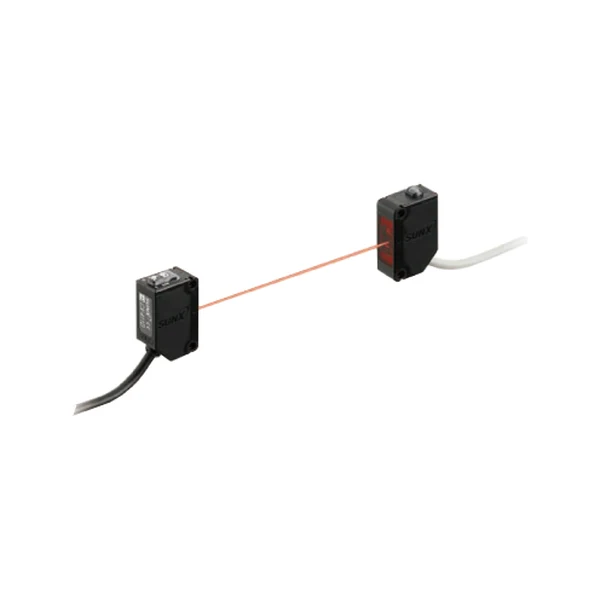 PANASONICCX-411Thru-beam photoelectric sensor, IP67
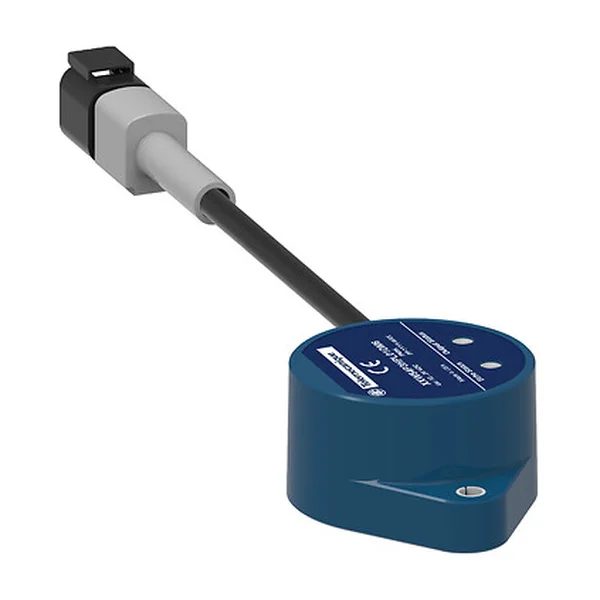 TELEMECANIQUEXXW54P3APL01DM6Ø54 mm wide beam ultrasonic sensor
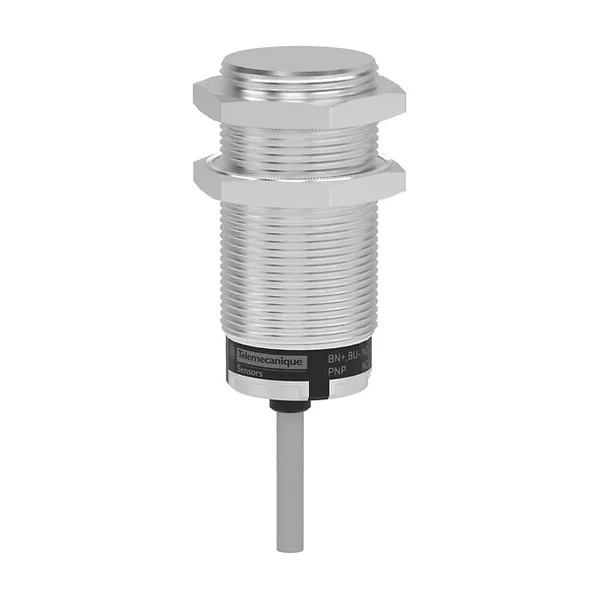 TELEMECANIQUEXT530B1PAL2M30 capacitive sensor
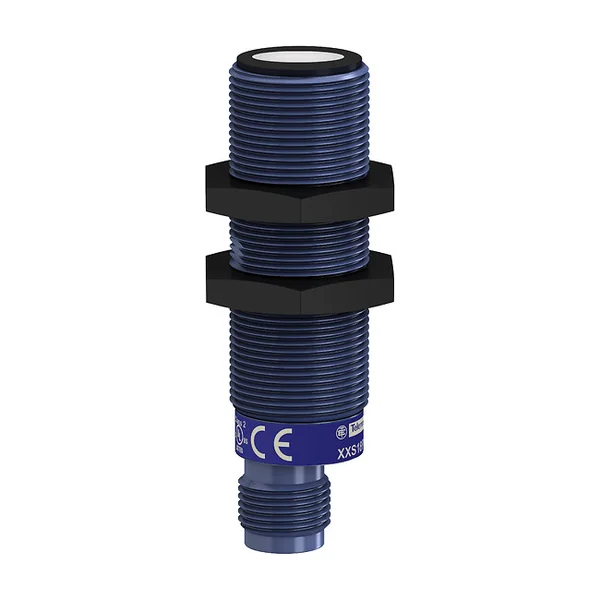 TELEMECANIQUEXXS18P1AM12M18 ultrasonic sensor
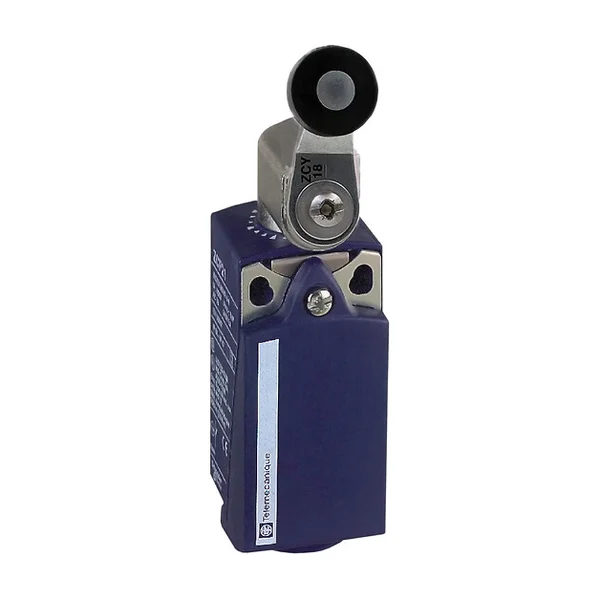 TELEMECANIQUEXCKP2118P16Compact limit switch with roller lever
12. Washdown and hygienic design
Along with increasing food safety and traceability requirements, the cleaning processes of packaging machines are closely monitored and the durability of hardware in these areas gains importance. The manufacturer TELEMECANIQUE states that its IP67, IP69K, and Ecolab certified sensors withstand intense cleaning processes in food processing environments. Among full stainless steel and plastic body sensors offered for food and beverage applications, the PBT-housed XS8D1A1PAL2 provides chemical compatibility with an IP68 rating and Ecolab certification, while the XS618B1PAM12 model meets IP67 and IP69K protection classes.
For door safety in hygienic areas, the OMRON D41L interlocking switch stands out with its smooth surface leaving no recesses to hold dust and water, ECOLAB certified detergent resistance, and IP66, IP67, IP69 protection ratings. The OMRON D40ML RFID magnetic locking switch offers IP69K protection in stainless steel versions, reaching PL e level according to the ISO 13849-1 standard for up to 20 connected switches in series. Offering long service life on lines with frequent cleaning, chemical usage, and high temperatures, OMRON E32 chemical-resistant fibers show resistance to temperatures up to 200 °C thanks to their fluoroplastic sleeves.
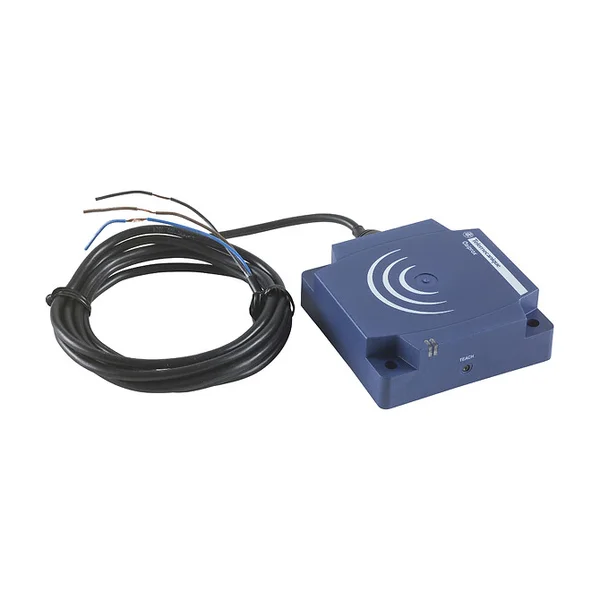 TELEMECANIQUEXS8D1A1PAL280 × 80 mm inductive sensor, PBT body
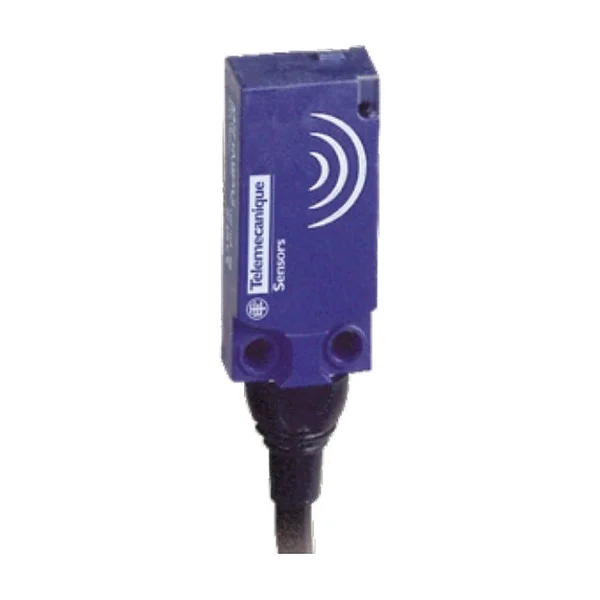 TELEMECANIQUEXS7E1A1PAL226 × 26 mm inductive sensor, PBT body
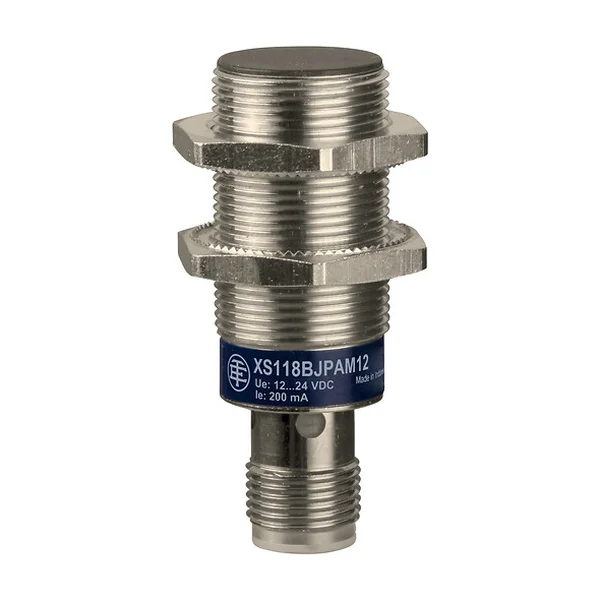 TELEMECANIQUEXS618B1PAM12M18 inductive sensor, IP67 / IP69K
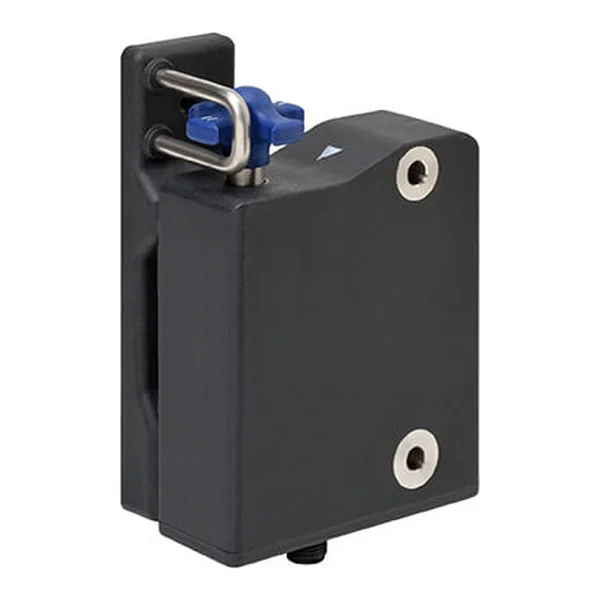 OMROND41LHygienic interlock switch with RFID coding
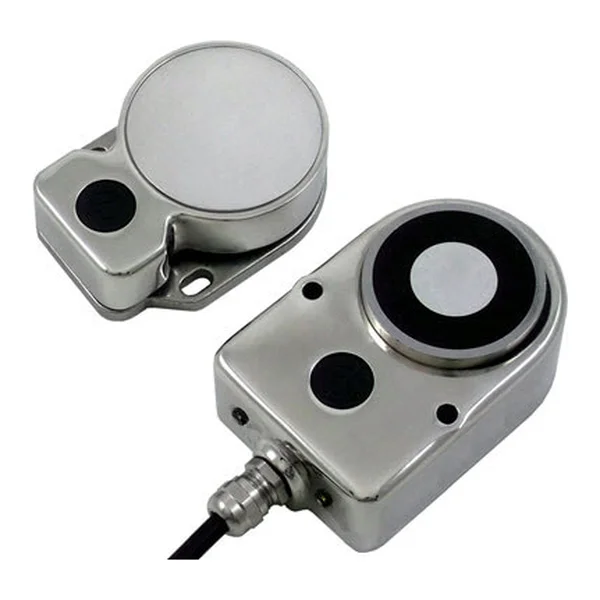 OMROND40MLRFID magnetic lock safety switch
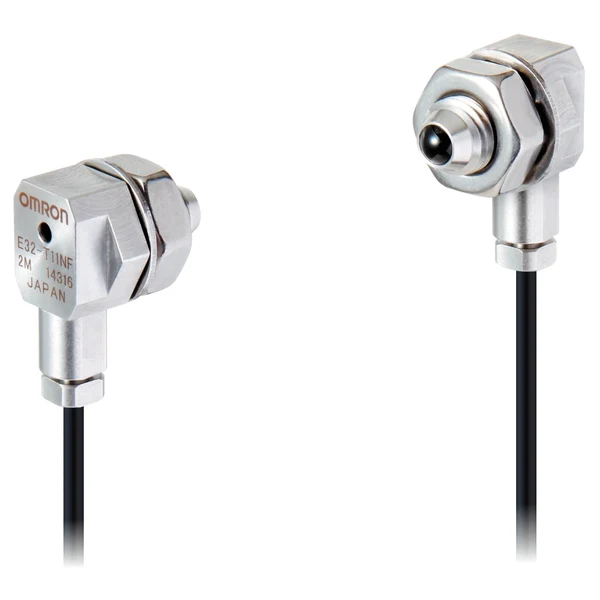 OMRONE32 Chemical-ResistantChemical-resistant fiber units
13. Machine safety, door monitoring, and laboratory devices
In the OMRON G9SX brochure, it is stated that the non-contact door switch monitoring system with the G9SX-NS controller generates no dust particles because it creates no physical contact and wear, making it ideal for the packaging, food, and pharmaceutical industries. While a single G9SX-NS controller can monitor up to 30 non-contact door switches, each with a two-color LED indicator, the OMRON D40A model connects up to 30 switches with a single controller and offers status monitoring via red and yellow LEDs. Using high-level RFID coding in door locks, the OMRON D41L reduces the risk of tampering and allows the same actuator to be used on both right- or left-hinged and sliding doors.
Featured as a safety measure at the shrink machine tunnel exit on packaging lines, the PANASONIC SF4C ultra-slim light curtain facilitates status tracking with its large application indicator. Used in case packers, the PANASONIC SG-P non-contact safety door switch makes the open or closed position of the door visible from a distance with its wide and bright indicators. While the PANASONIC laboratory automation catalog states that sensors can be used in clinical diagnostic and liquid handling equipment, the Category 4, PL e, and SIL 3 rated SF4C ultra-slim safety light curtain with a thickness of 13 mm stops the machine when a body is detected in order to ensure operator safety.
In production and packaging environments, machine access doors must be secured to prevent contamination. TELEMECANIQUE recommends IEC 62061 SILCL3-certified XCSRC non-contact RFID safety switches for monitoring door statuses on labeling machines, which are mostly located in enclosed spaces. These safety switches monitor door status in compliance with ISO 13849-1 PL e standards, supporting line safety.
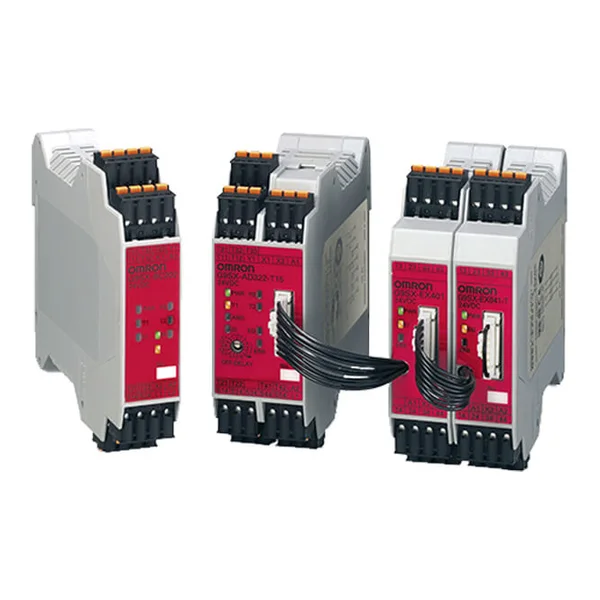 OMRONG9SXSafety controller
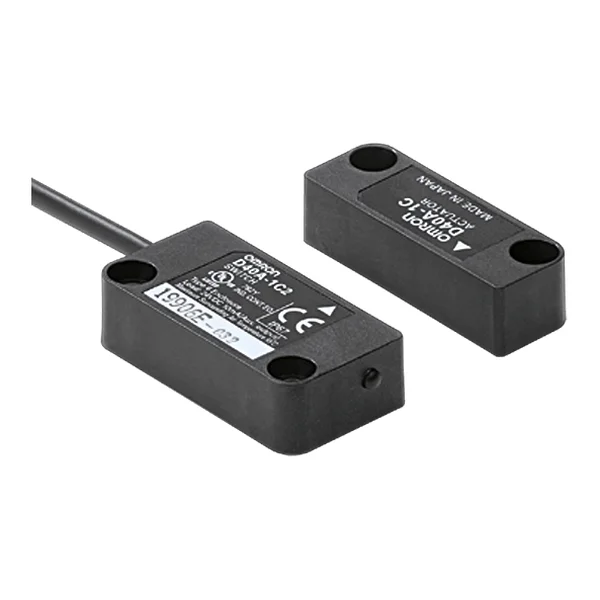 OMROND40ANon-contact safety door switchOMROND41LHygienic interlock switch with RFID coding
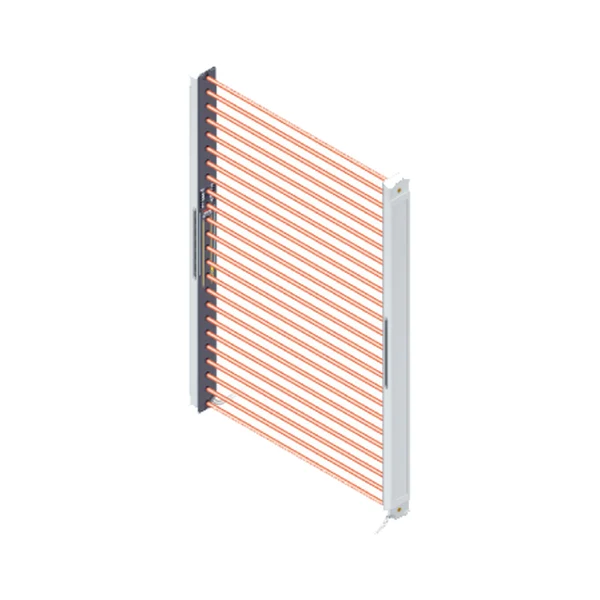 PANASONICSF4C-HUltra-thin Type 4 safety light curtain
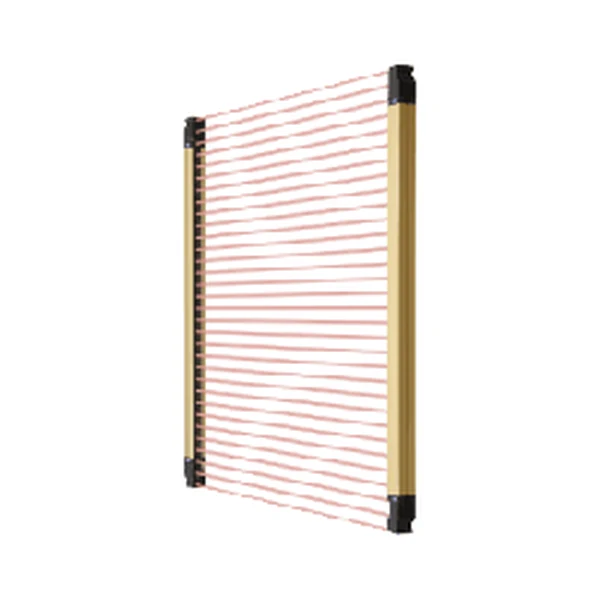 PANASONICSF4D-HMetal body Type 4 light curtain, IP67
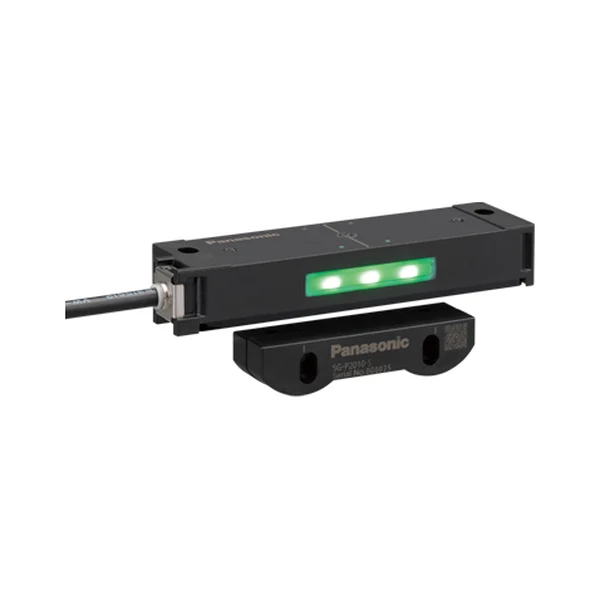 PANASONICSG-PNon-contact safety door switch
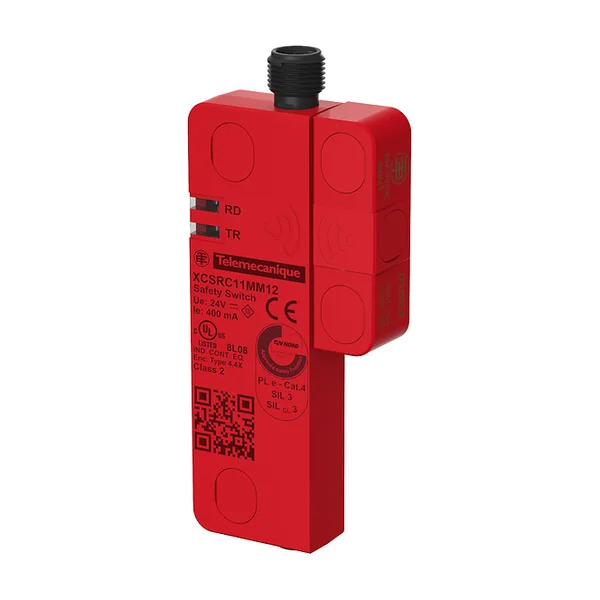 TELEMECANIQUEXCSRCRFID non-contact safety switch, PL e
14. HMI, panel PC, and edge AI inspection computers
According to the ADVANTECH HMI guide, HMI solutions supporting 21 CFR Part 11 requirements are preferred in pharmaceutical manufacturing processes to create electronic signatures and audit trails. These control panels maintain detailed batch records while managing autoclave, bioreactor, and cleanroom environments, and are also used to provide process validation and quality documentation in medical device manufacturing. This finding is a general evaluation of the ADVANTECH guide; among the ADVANTECH products at FST, PPC-300 RPL operates with an IP66 front panel and a fanless 13th generation Intel Core architecture, while the FPM-715 model offers a durable structure with its die-cast aluminum chassis and IP66 aluminum alloy front bezel; software and validation requirements for pharmaceutical production are handled on a project basis.
In the ADVANTECH automated quality inspection guide, it is stated that food, pharmaceutical, and consumer product manufacturers inspect date code, label position, tamper seal, cap presence, print quality, and barcode readability. According to the guide, OCR, barcode decoding, and template matching methods support batch-level traceability by reducing the risk of mislabeling. In addition, the ADVANTECH machine vision AI guide highlights the importance of expiration date, lot code, barcode, package seal, and label position verification for the pharmaceutical and medical device sectors.
Edge computers deployed in inspection processes determine pass or fail decisions to trigger PLC-controlled rejection mechanisms. The system logs acquired images and metadata to MES, SCADA, or quality databases, ensuring production data remains recorded. For high-resolution imaging, multi-camera setups, or deep learning workloads, GPU-equipped industrial PCs are predominantly preferred according to ADVANTECH guides.
 ADVANTECHPPC-315S RPL15″ fanless panel PC, IP66 front panel
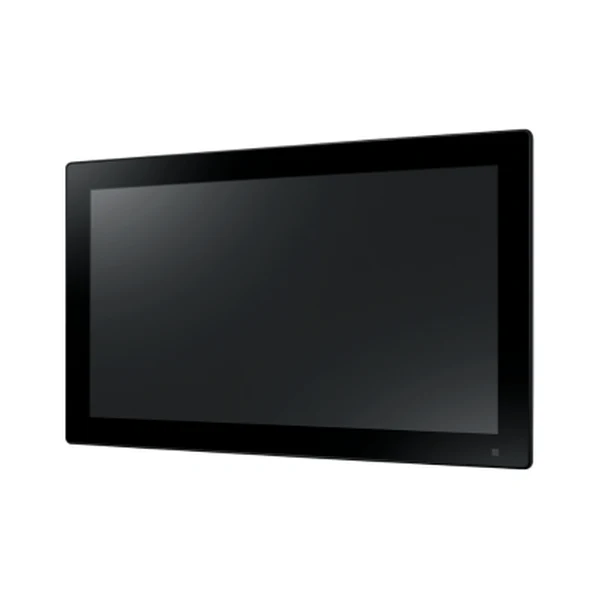 ADVANTECHPPC-321SW RPL21.5″ fanless panel PC, IP66 front panel
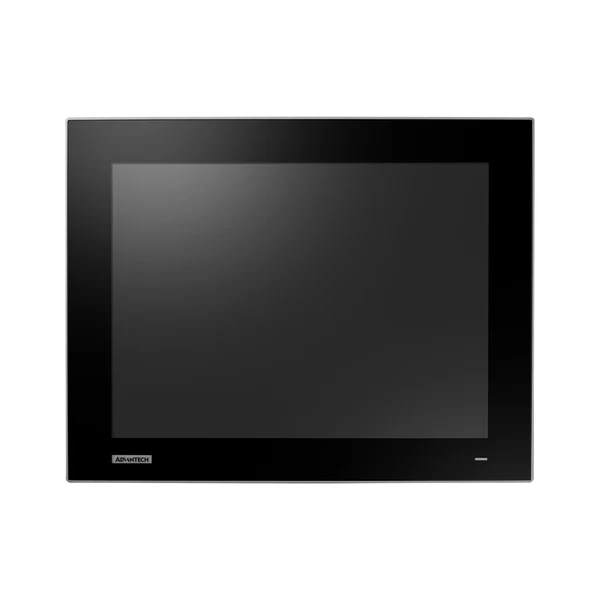 ADVANTECHFPM-71515″ industrial monitor, IP66 front panel
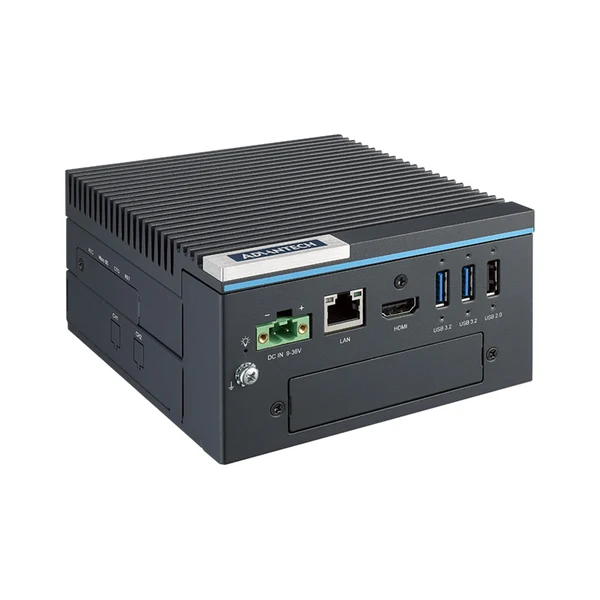 ADVANTECHMIC-711-ONJetson Orin Nano-based fanless AI
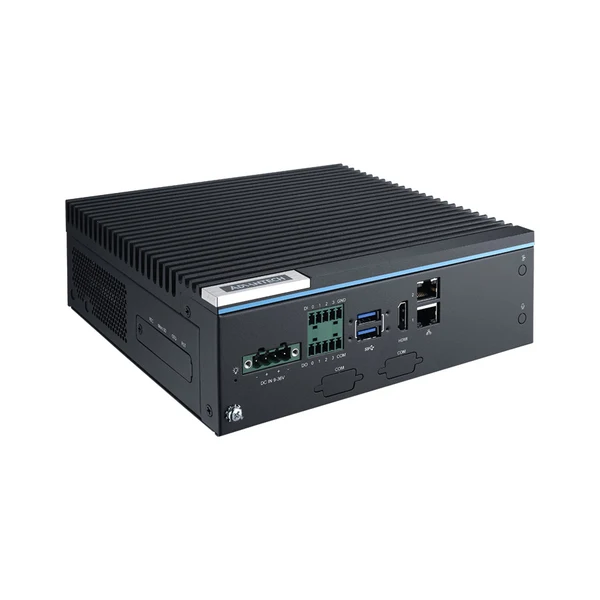 ADVANTECHMIC-713-OXJetson Orin NX-based fanless AI
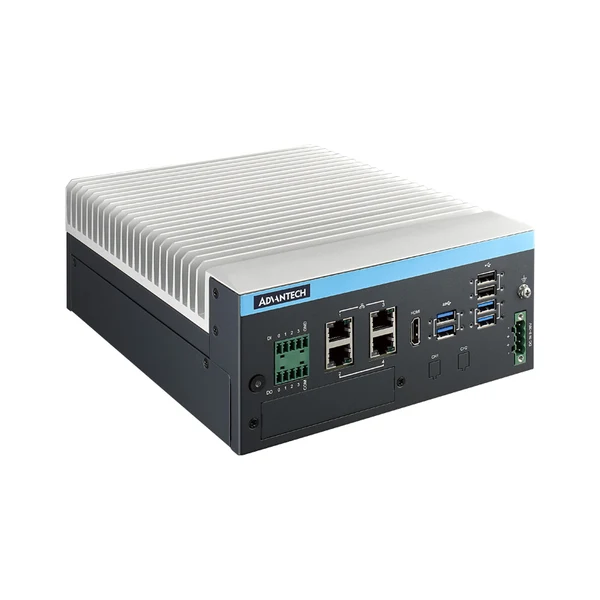 ADVANTECHMIC-733-AOJetson AGX Orin-based fanless AI
Which product for which requirement?
| Requirement | Product group |
|---|---|
| Pharmaceutical box and traceability code reading | HIKROBOT ID5000, ID3000, IDH handheld |
| Bottle and vial visual inspection | HIKROBOT CH area scan, CI (SWIR), CL line scan, LED illumination |
| Print (OCV), packaging, and assembly verification | HIKROBOT SC5000X / SC6000, SC3000 |
| Test tube and laboratory device | HIKROBOT SC2000E, ID5000 |
| Tablet hopper level, cap, and carton height | PANASONIC HG-C1400 / HG-C1050 / HG-C1100 |
| Transparent bottle, transparent label, and film | PANASONIC CX-481, FX-300; TELEMECANIQUE XUVU; OMRON E3NX-MA |
| Register mark and color mark | OMRON E3S-DC, PANASONIC LX-101, TELEMECANIQUE XUMR |
| Filling nozzle, fill level, buffer area | TELEMECANIQUE XS / XT / XX |
| Sealing temperature | OMRON ES1B |
| Washdown area and hygienic door | TELEMECANIQUE XS (Ecolab), OMRON D41L / D40ML |
| Door monitoring and light curtain | OMRON G9SX / D40A, PANASONIC SF4C / SG-P, TELEMECANIQUE XCSRC |
| Operator panel and inspection computer | ADVANTECH PPC-300, FPM-715, MIC-711 |
Source: HIKROBOT pharmaceutical sector solution announcement, food/pharmaceutical sector page, news, and case studies; OMRON, PANASONIC (Panasonic Industry Europe packaging sector sensor selection guide, laboratory automation catalog), TELEMECANIQUE (packaging line application page, data sheets), and ADVANTECH (HMI and quality inspection guides) sources. Images belong to HIKROBOT. This page is not a declaration of regulatory compliance (GMP, serialization, etc.); application selection and verification are conducted on a project basis.
Tell us about your application
Share your product and packaging type, line speed, code type, inspection criteria, cleaning conditions, and safety requirements; let us select the code reader, camera, sensor, safety, and control components together. In projects in this industry, FST Teknoloji delivers turnkey machine vision and system integration solutions with HIKROBOT hardware.