
Plastics & Packaging
HIKROBOT line scan cameras, smart cameras, and code readers are used for film and foil surfaces, print color and position, expiration date and lot code printing, codes on packaging, label and package content, cartoning, and bottle inspection. OMRON, PANASONIC, TELEMECANIQUE, and ADVANTECH products for register marks, transparent bottles and film, rolls and labels, shrink and sealing temperatures, injection moulds and granules, packaging machine safety, palletizing, and HMI are also described on this page using the manufacturers’ own examples.
What do machine vision and sensors solve in plastics and packaging?
On the packaging line, the product flows rapidly and often inside a transparent, shiny, or patterned material; the film surface, print color and position, date and lot code, barcode, label, and package contents must be inspected without stopping the line. HIKROBOT treats packaging inspection as a distinct application and states that ID series code readers can read film-covered, poorly printed, reflective, and low-contrast codes, noting that processing speed is more important than field of view because products pass rapidly on the food and packaging line. On the machine itself, sensors are required for register mark, transparent bottle and film, roll end, shrink tunnel and sealing temperature, injection mould, and safety; TELEMECANIQUE also emphasizes that with regulations limiting single-use plastics, machines need to detect both PE/PET and new sustainable materials.

1. Film, foil, and continuous material surface
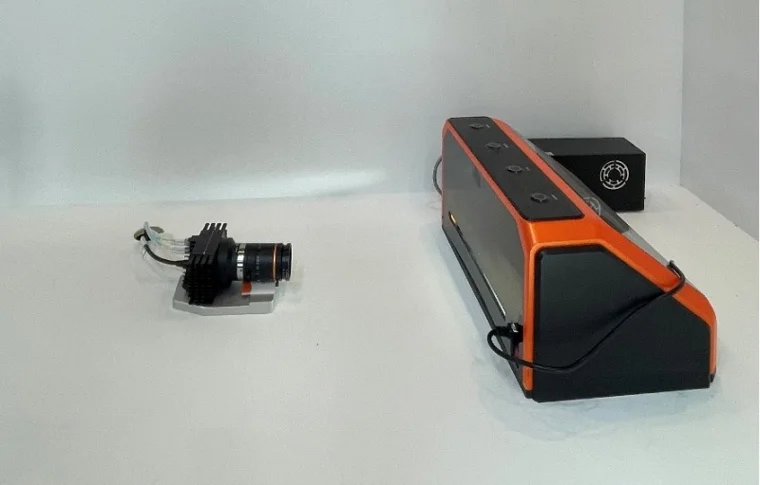
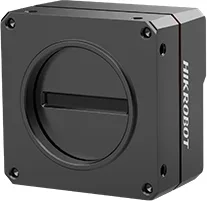
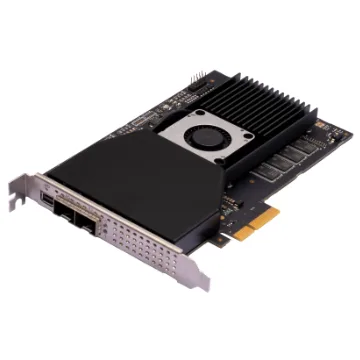
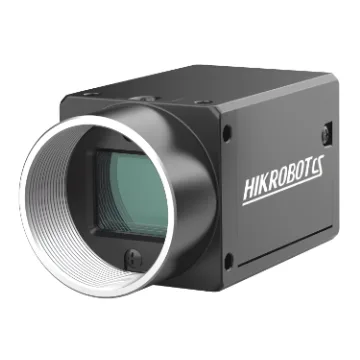
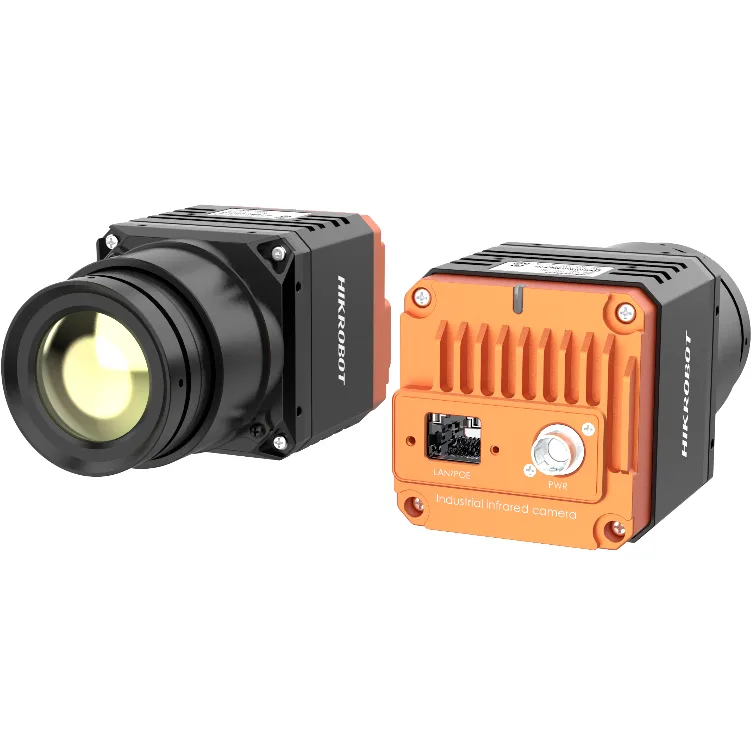
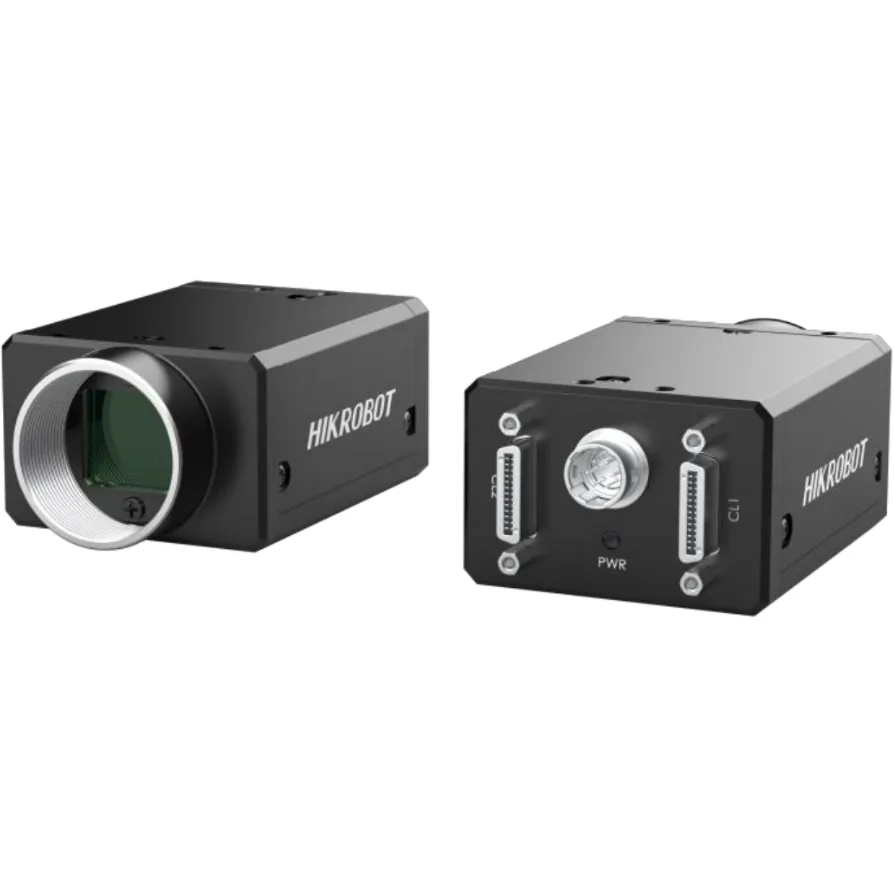
HIKROBOT doubles and exceeds the upper limit of line speed with the lossless compression feature of its 4K and 8K line scan cameras with GigE interface in film and continuous web inspections; HIKROBOT recommends these cameras for print, lithium battery, and film inspection. Developed for high-speed thin film and continuous web inspections, the X over Fiber (XoF) interface increases upstream bandwidth by up to 600% with its specialized camera and board architecture, providing data transmission infrastructure for lines requiring high data volume. In this architecture, the offered XoF 8K monochrome and 16K true-color line scan cameras reach line speeds of 200 kHz and 47 kHz respectively at full resolution, while data transmission is carried out with the help of the MV-GS1002F frame grabber board.
In lithium battery electrode sheet applications outside packaging manufacturing, HIKROBOT images both sides of the coated material on the roller using two 8K line scan cameras and a combination of frame and line triggers, bringing the theoretical pixel resolution down to below 0.05 mm/pixel. Based on data obtained after the imaging phase, defects such as bare foil, bubbles, wrinkles, tape, and dirt are classified. HIKROBOT states that this inspection method can be adapted to coating, slitting, and lamination processes.
2. Print quality, color accuracy, and print position
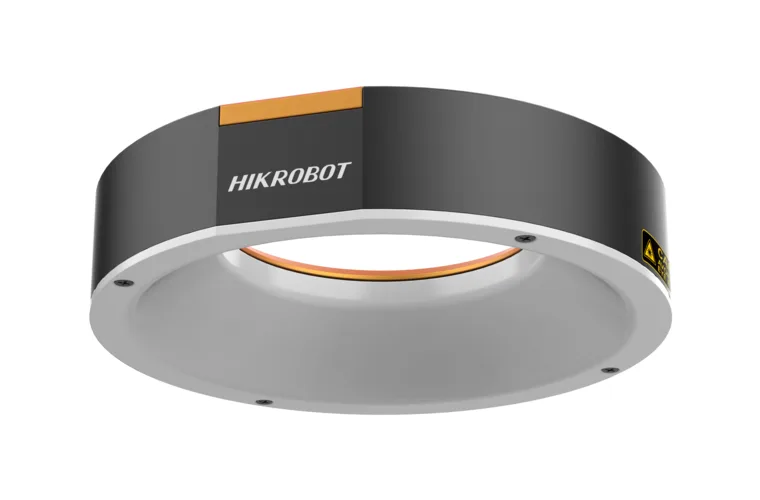
HIKROBOT offers the 8K PRO color line scan camera featuring purple fringe correction and color adjustment functions for the color accuracy requirements of industries such as PCB and packaging, with the line scan product family covering a wide range of resolution options from 2K to 16K. The MV-CL042-91GM 4K GigE line scan camera, reaching line rates of 80 kHz in high-bandwidth mode, and the XoF-interface MV-CL166-91F2C RGB true color camera both list printing among applicable industries in their datasheets. Used for surface illumination, the MV-LTDS-H line light source provides illuminance up to 1,000K lux and is supplied for printed character inspection on packaging, glass surface scratch detection, and PCB defect detection applications.
In solar cell screen printing applications outside packaging manufacturing, HIKROBOT uses a 5 MP area scan camera to image wafer corners or Mark points, determining the print position to guide the UVW stage. Operating in this alignment, the system achieves a static accuracy of approximately ±0.005 mm and a positioning time of ≤150 ms according to HIKROBOT data, providing position control in process steps requiring print alignment. After the printing process is completed, edge chipping inspection is performed using a 2K line scan camera and line light.
3. OCR/OCV in expiration date and lot printing
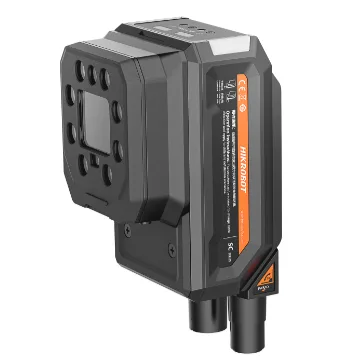
HIKROBOT’s SC6000 AI smart camera performs visual appearance inspection by detecting missing, extra, and overlapping defects in printed characters on packaging surfaces within a 100 ms inspection time. The MV-SC5060XM and MV-SC6050M smart cameras designed for the packaging industry combine AI deep learning-based OCR, object recognition, and defect detection functions with algorithms on the VisionMaster platform, with packaging listed among typical applications in their datasheets. Thanks to its embedded VisionMaster infrastructure, the SC6050 series smart camera performs verification of variable text on packaging using OCR capabilities demonstrated even on Korean characters.
In HIKROBOT’s fresh milk packaging case, missing, distorted, and smudged character defects caused by nozzle cleaning, machine vibration, and high humidity during inkjet date printing on product labels were inspected. On this line, which operates at a flow rate of 4 bottles per second and aims to keep the miss rate below 0.03%, the implementation of AI deep learning algorithms increased the true character defect detection rate to over 99.7%.
| HIKROBOT case value (fresh milk packaging) | Value |
|---|---|
| Line speed | 4 bottles / second |
| Miss rate target | Below 0.03% |
| True character defect detection | Over 99.7% |
Values are from case and product data published by HIKROBOT; selection for your own line is made on a project basis.
4. 1D/2D code reading on packaging
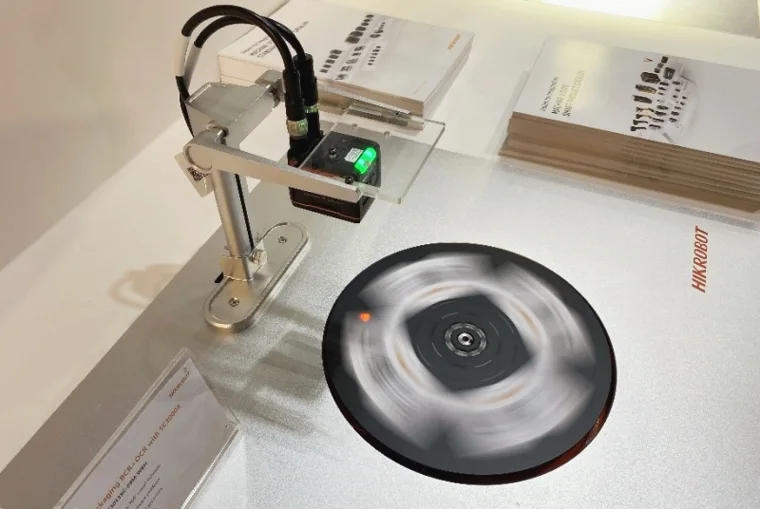
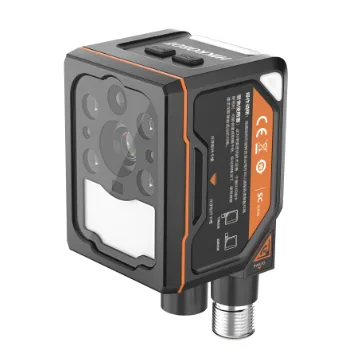
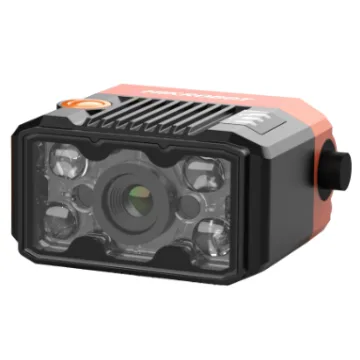
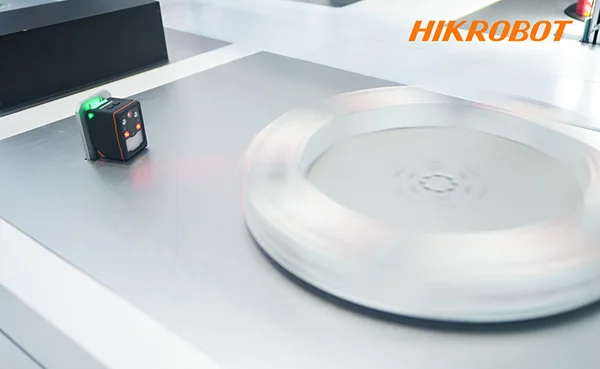
HIKROBOT’s ID3016XM series smart code reader reaches an image frame rate of 120 FPS, offering a reading capacity of up to 110 codes per second; HIKROBOT targets high-speed scenarios such as FMCG packaging, tobacco, lithium batteries, and logistics, specifying stable reading on rotary tables operating at over 3 m/s. Positioned for traceability steps on food and beverage filling lines, the ID3000XM model operates with high frame rates and low algorithm times to accommodate applications running at speeds of 10 m/s. Meanwhile, the MV-ID5050M reads up to 90 codes per second, with its datasheet listing food-beverage and pharmaceuticals among applicable industries.
According to HIKROBOT, ID series code readers feature an algorithm infrastructure capable of reading film-covered, poorly printed, reflective, and low-contrast 1D and 2D codes encountered on packaging lines. While processing speed is critically important on food and packaging lines where products move at high speeds in relatively fixed positions on conveyors, the ID3000 and ID5000 series stand out with their high frame rates and modular structures. At Automation Taipei 2024, HIKROBOT demonstrated IDH handheld readers, ID3000XM, and ID5000 code readers for the packaging industry with complex coding examples.
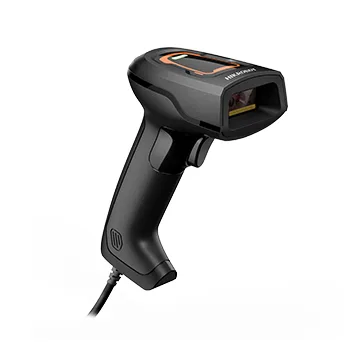
5. Label, packaging content, and assembly control
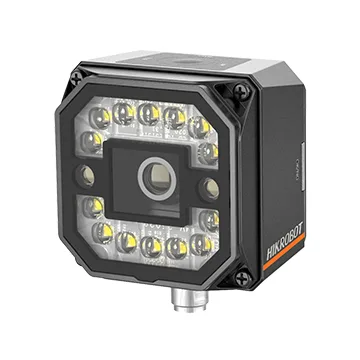
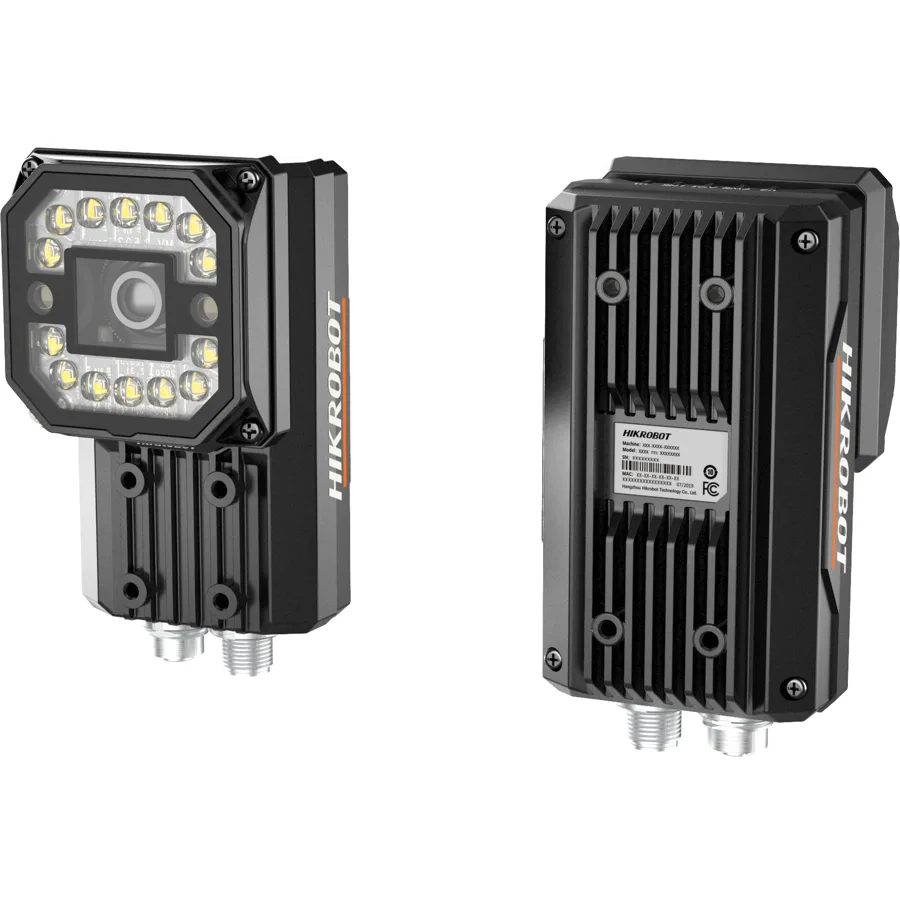
HIKROBOT’s SC5000X series liquid-lens smart camera performs label inspection, OCR, and code reading functions with its ToF-assisted autofocus structure, while its edge learning algorithm allows models to be trained with a small number of samples without a network connection. Treating packaging inspection as a distinct application in the food and pharmaceutical sectors, HIKROBOT states that systems verifying that packaging is correctly assembled, flawless, and complete save time and money through early detection of assembly defects. Housing more than 20 inspection tools, the SC3000 series smart cameras perform inspections for up to 16 locations simultaneously, listing the production of food, pharmaceutical, and personal care products among target sectors.
To address the issue of excess or missing automatically released forks at the fork dispensing station in an instant noodle packaging line, HIKROBOT established an inspection framework using deep learning algorithms that overcomes obstacles such as fork color, occlusion, and light attenuation. Replacing manual inspection by two operators, this setup reduced the miss rate to below 0.01% at a line flow rate of over 6 packages per second, while keeping the algorithm execution time below the 30 ms threshold.
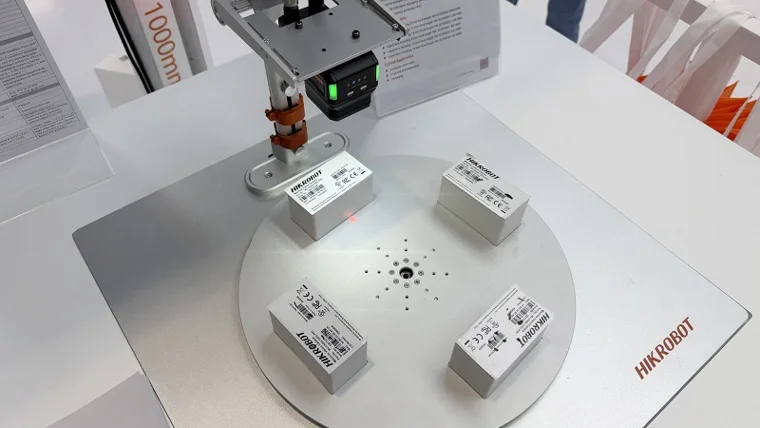
| HIKROBOT case value (noodle fork) | Value |
|---|---|
| Line speed | Over 6 packages / second |
| Miss rate | Below 0.01% |
| Algorithm time | Below 30 ms |
Values are from case and product data published by HIKROBOT; selection for your own line is made on a project basis.
6. Cartoning and box error-proofing
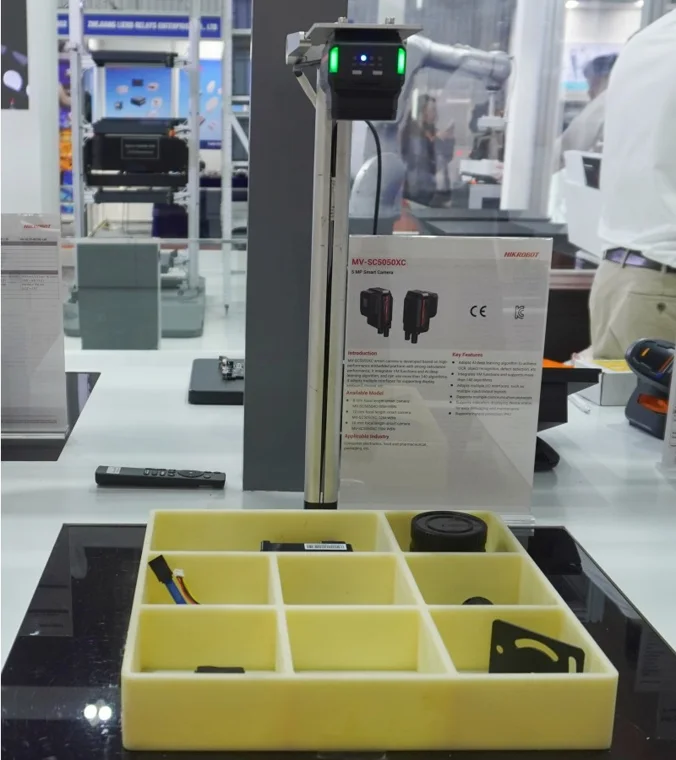
HIKROBOT’s SC5000X smart camera was developed to execute error-proofing inspection in production packaging and cartoning steps, verifying the orientation, position, and type of all items within a box. Permitting product transfer once all parts are verified against specified criteria, this architecture enables model training without requiring external network connectivity thanks to its edge learning algorithm. In sample packaging station demonstrations featuring SCARA robot structures not included in the FST portfolio, vision systems are seen integrated to flexibly place small products into various box types.
In applications in the logistics area outside the packaging line, HIKROBOT automatically identifies loads such as cardboard boxes, sacks, and material crates using wide field-of-view RGB-D stereo cameras. Providing three-dimensional sensing, this stereo imaging technology detects the volumetric position of loads during palletizing and depalletizing operations to determine the orientation of materials during stacking processes.
7. Bottle, glass, and transparent packaging inspection
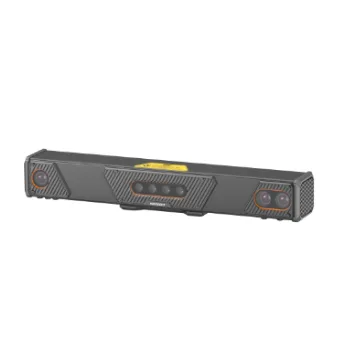
At VisionChina 2025, HIKROBOT showcased system architectures performing multi-face inspection of bottled beverages with 6 cameras connected to two frame grabbers not included in the FST portfolio, detecting packaging defects while products are in motion and reading characters on the top surface. Addressing the function of SWIR industrial cameras operating with InGaAs sensors in the 400–1700 nm range in glass bottle inspection, HIKROBOT states that it detects bottle body defects and foreign matter in liquid by combining high-resolution area scan cameras with deep learning in pharmaceutical production; the CI series at FST includes InGaAs SWIR models. 2.5D line scan vision systems not found in the FST portfolio capture subtle bumps, dents, and fine scratches on reflective surfaces like glass and thin film in a single shot using the high-speed phase shift method, and are used in panel film inspection.
Packaging machine sensors, safety, and line data
Machine vision inspects the accuracy of the product and packaging; the packaging machine itself relies on sensors and safety components to cut film in the right place, detect transparent containers, track rolls and labels, measure temperature, and protect operators. OMRON examples are drawn from E3S-DC/E3NX-CA, ES1B/ES1C, V680, and G9SX documentation, Pro Project and BANDALL customer references, and the robot palletizer manual; PANASONIC examples from the packaging industry sensor guide and product pages; TELEMECANIQUE examples from packaging brochures, XU, XX, XT catalogs, and XUSL/XCSR manuals; and ADVANTECH examples from the plastic injection case study, HMI, and machine vision guides.
8. Register mark reading on packaging film
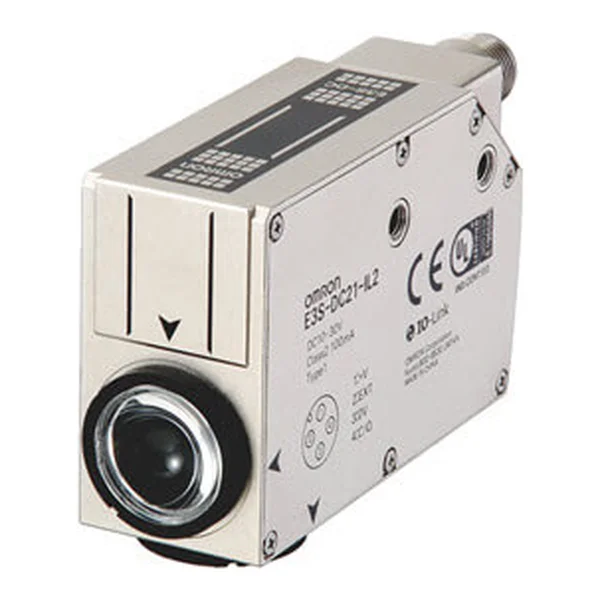
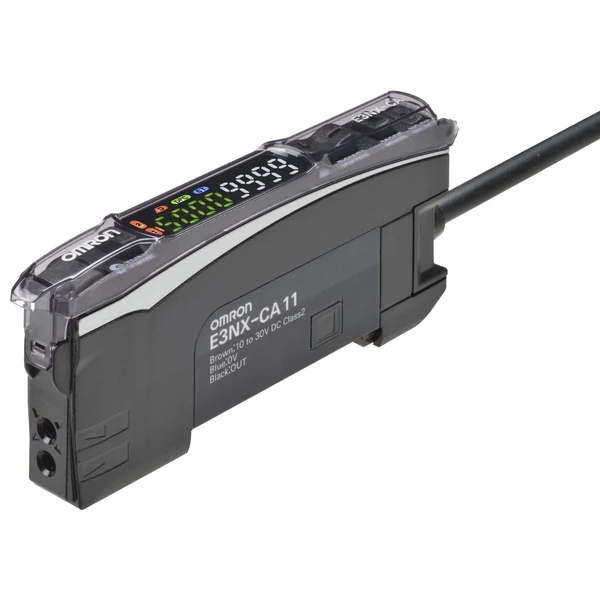
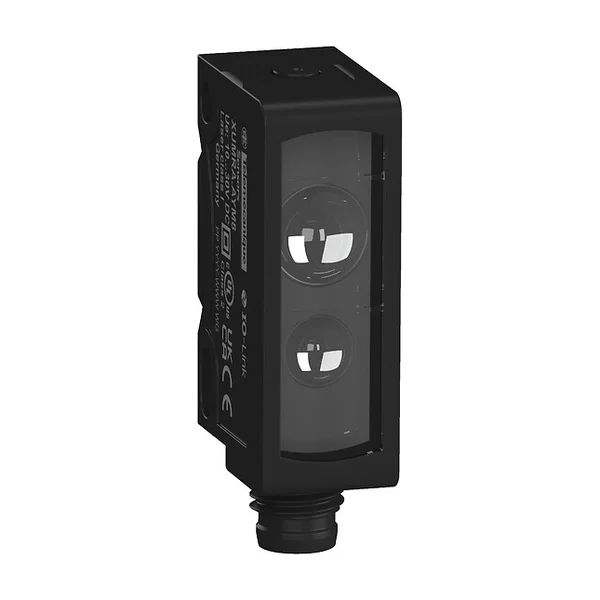
OMRON positions the E3S-DC color mark sensor with 50 μs response time, bank switching for up to 9 memories, and IO-Link support for detecting registration marks that create high contrast with the background, in order to enable accurate cutting and positioning since material mostly arrives in roll form in packaging machines. When aluminum vapor deposition glare, low-color-difference packaging, or rough films make detection difficult, the E3S-DC and E3NX-CA models transmit RGB data of the mark and background between 0–4,095 to the upper system, enabling threshold setting and detection error identification. On the TELEMECANIQUE side, XUMR contrast readers in the XU application sensors family track reference marks in packaging, printing, and labeling machines with white light options for simple high-contrast marks and RGB light options for precise discrimination in colored prints. In this context, the IP67 and IP69K-protected XUMRAGAYM8 model stands out with its RGB light source and IO-Link interface, while the XUMRAW and XUMRAG series with a maximum switching frequency of 10,000 Hz allow detection of marks on containers in high-speed flows.
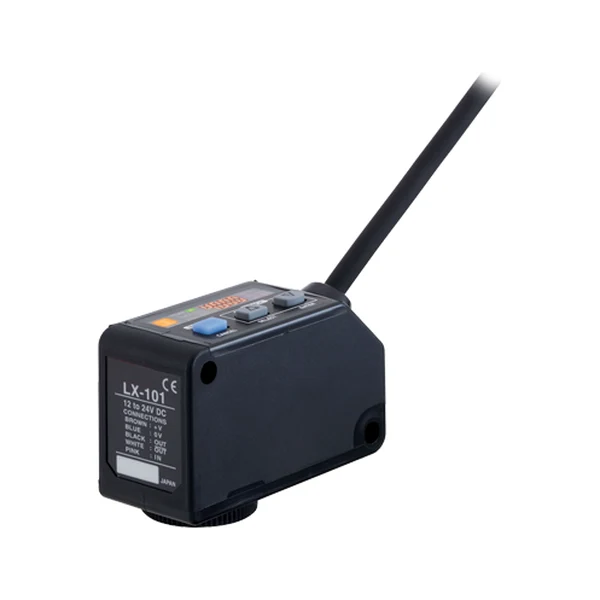
PANASONIC offers the LX-101 register mark sensor for detecting register marks on packaging film, providing two operation options: ’Mark’ mode with a 45 μs response time to monitor high-speed flows, and ’Color’ mode for precise discrimination using RGB ratios. While the automatic LED selection feature activates a blue LED for stable detection based on the reflected light pattern on the packaging film, the Color mode of the LX-100 series enables effective detection of register marks on patterned films. TELEMECANIQUE’s XUMRACAYM8 model, designed for color-selective packaging materials, offers a 2,500 Hz switching frequency and NO/NC configuration adjustable via teach-in or IO-Link.
9. Transparent bottle, container, and film detection
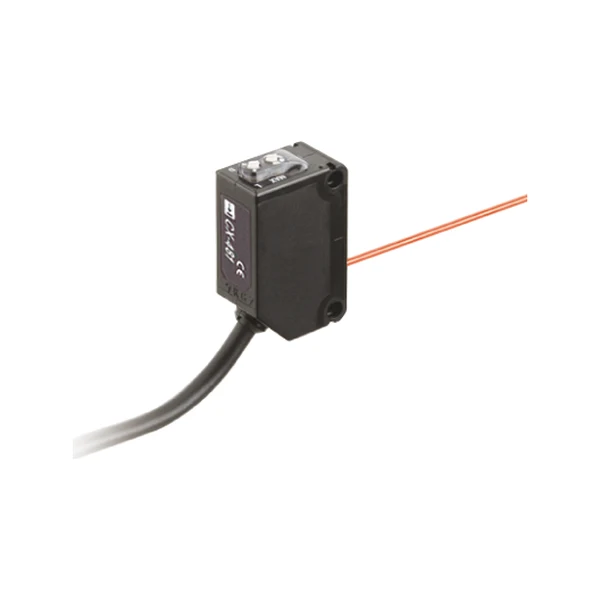
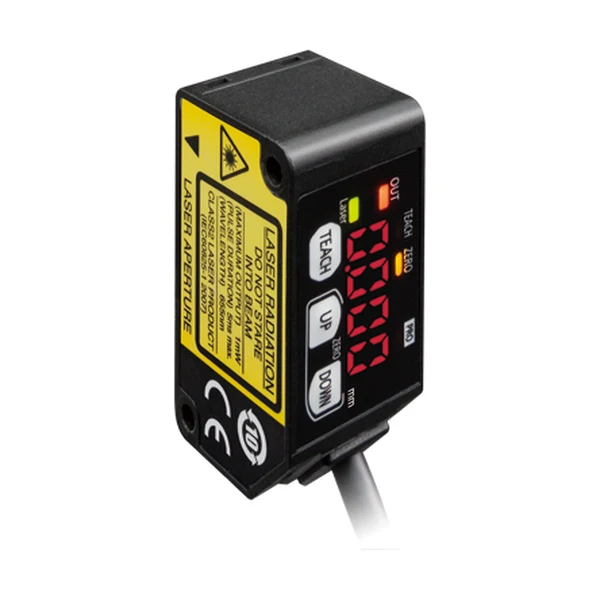
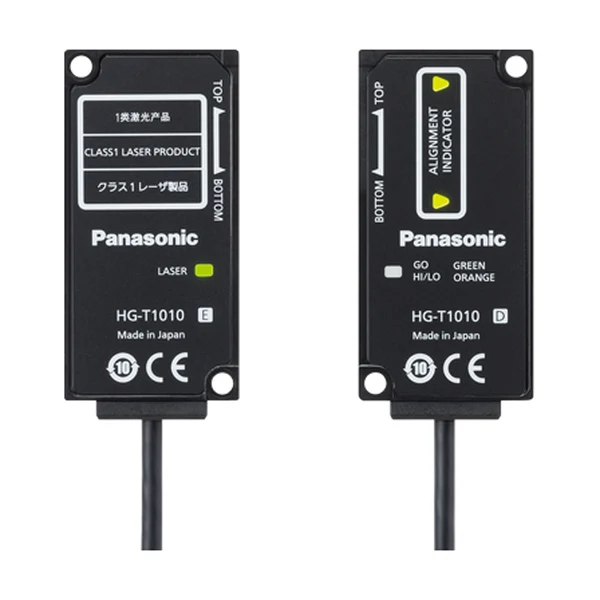
PANASONIC offers the CX-481 retro-reflective sensor to stably detect the progress of all types of containers on the line, including highly transparent bottles in bottling and capping machines. With a wide range of applications, the CX-48□ transparent object detection family responds to different requirements such as 10 μm food cling film, 20 μm cigarette pack film, 30 μm vinyl bag, and 500 ml PET bottle. In subsequent steps of the bottling line, the HG-C1050 laser sensor measures cap height with its 30 μm resolution to distinguish incorrectly capped products, while the HG-C1400 model continuously monitors the fill level in the hopper with its analog output unaffected by the color of tablets. In blister packaging processes, the HG-T1010 model with decision level adjustment function measures the displacement of transparent film with high accuracy; PANASONIC recommends this for more accurate winding.
TELEMECANIQUE designs its ultrasonic sensor technology to detect objects independently of their material, color, or degree of transparency, providing reliable solutions on transparent packaging lines where optical reflections can be misleading. Accordingly, for transparent bottle and container detection, it recommends a thru-beam ultrasonic pair consisting of the XXT12 transmitter and XXR12 receiver with an operating frequency of 500 kHz and IP67 protection rating; these values are from the XXT12A8M8 datasheet. While the XXS18, XXA18, and XXB18A3 models stand out for detecting jam and backup conditions that may occur on conveyor lines, the XXA right-angle ultrasonic series is positioned to track container presence in buffer stations independently of material reflectivity.
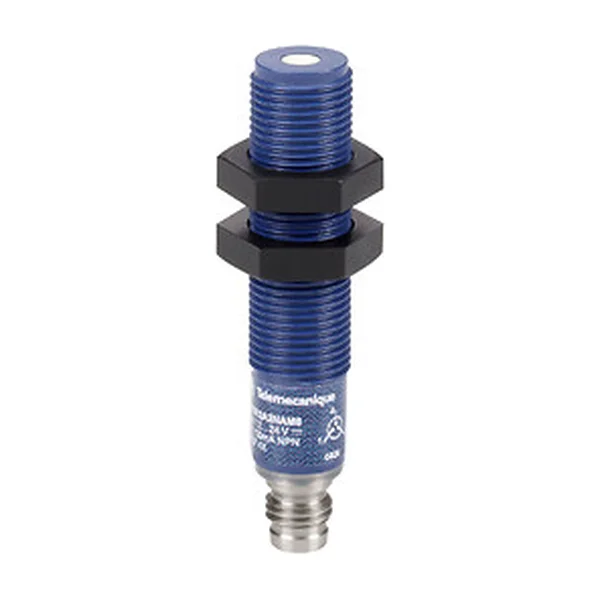
10. Film roll, coil, cutter, and label edge
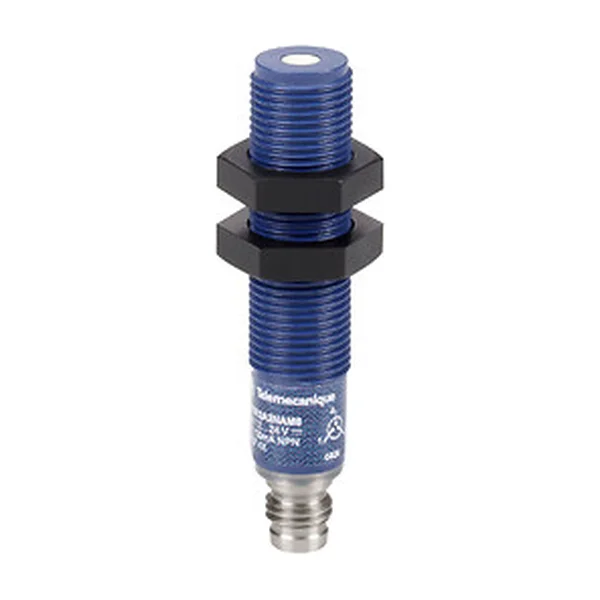
TELEMECANIQUE transmits transparent film and strip roll radius to control systems by generating signals proportional to object distance using its analog output XXS18 and XXS30 ultrasonic sensors offered for web process control and roll management. Used in winding stations and stretch wrapping machines, the 4–20 mA output XXS18P1AM12 and 0–10 V output XXS18P1VM12 models foresee roll depletion and detect film breakage. In the labeling stage, XUVU ultrasonic fork sensors with a 3 mm nominal sensing distance designed for self-adhesive rolls with transparent labels are positioned at the label edge to reduce waste during label changes. The XX catalog shows the XX7K, XX7F, and M18-bodied XX518A3 models for label edge detection on conveyor belts; XX518A3 models are available at FST.
PANASONIC lists applications such as detecting remaining film quantity, cutter origin point, and content shift through film on horizontal packaging machines. The CX-413 sensor, offering a high-penetration infrared light source, detects content shifting through film and prevents sealing errors according to PANASONIC, while origin detection of the cutter mechanism is performed via IP64-rated PM-F45 and PM-Y45 U-shaped photoelectric sensors equipped with triple protection circuits. While thermoform vacuum packaging lines feature critical process steps such as transparent film breakage, tension control, and static electricity elimination, the compact IP68G-rated GX-F12A inductive sensor stably detects the starting position of the coil.
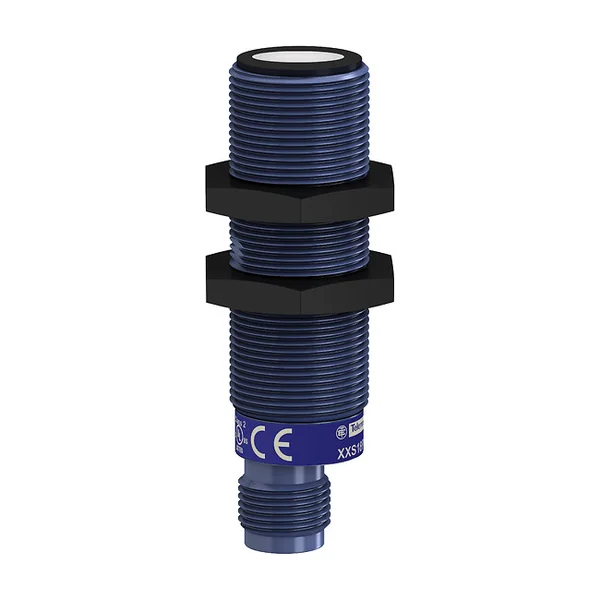 TELEMECANIQUEXXS18P1AM12M18 ultrasonic, 4–20 mA
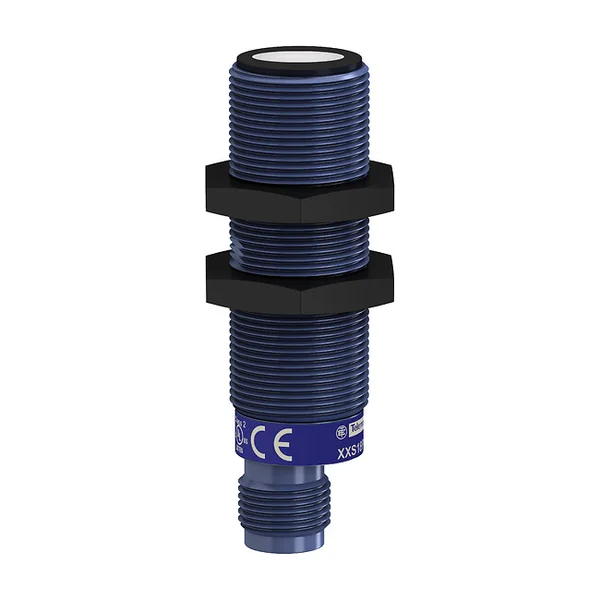 TELEMECANIQUEXXS18P1VM12M18 ultrasonic, 0–10 V
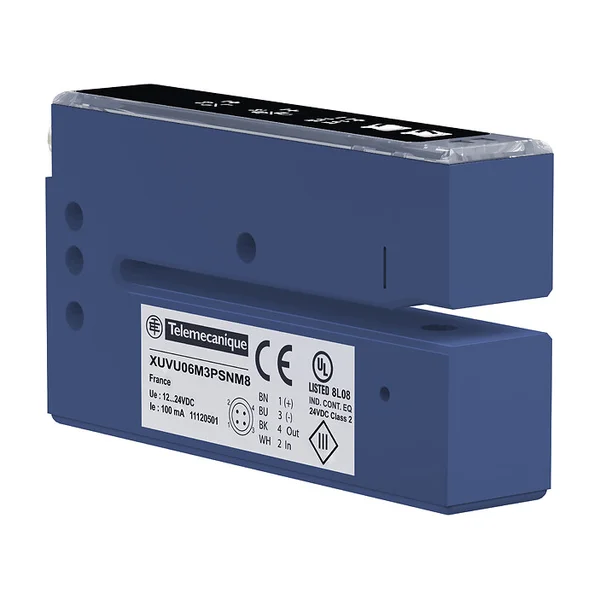 TELEMECANIQUEXUVU06M3PSNM8Transparent label fork sensor
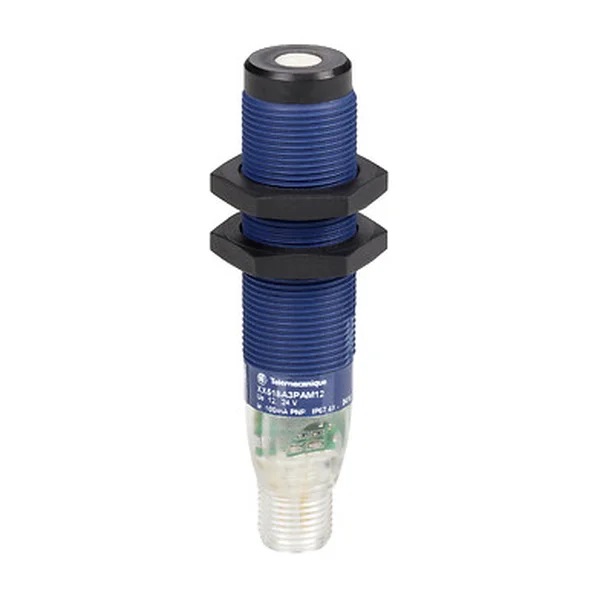 TELEMECANIQUEXX518A3PAM12M18 ultrasonic sensor
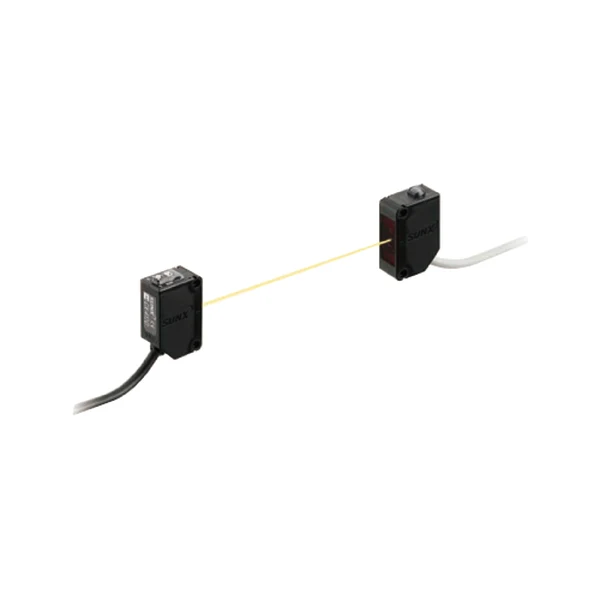 PANASONICCX-413Infrared thru-beam, high power
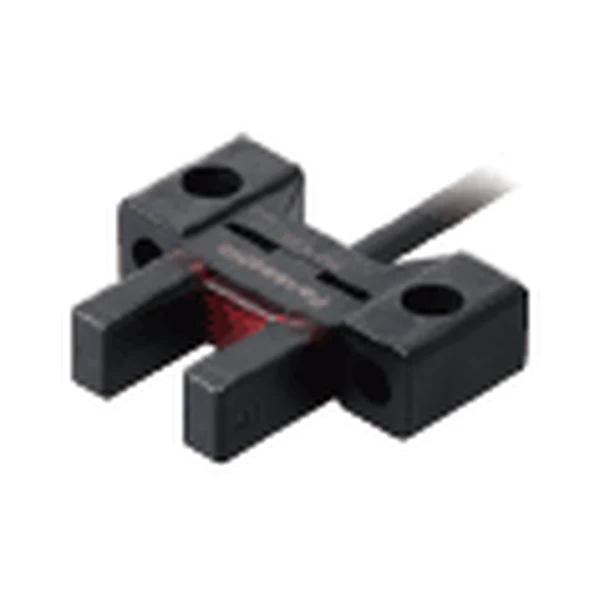 PANASONICPM-45U-shaped fork micro sensor, IP64
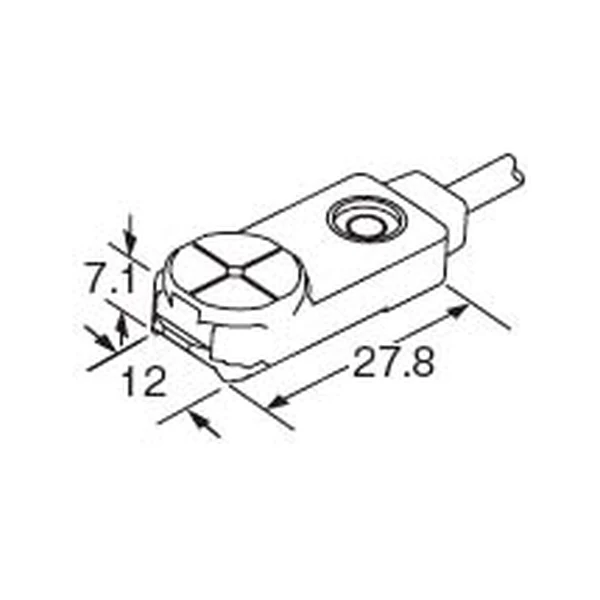 PANASONICGX-F12Rectangular inductive, IP68G
11. Shrink tunnel, sealing, and plastic process temperature
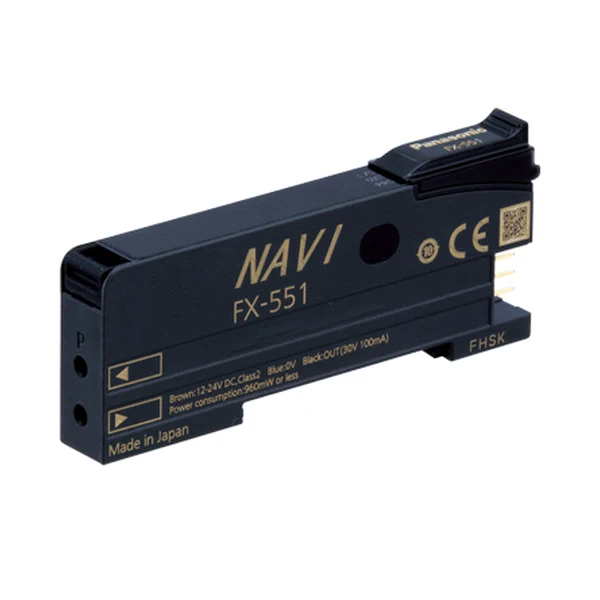
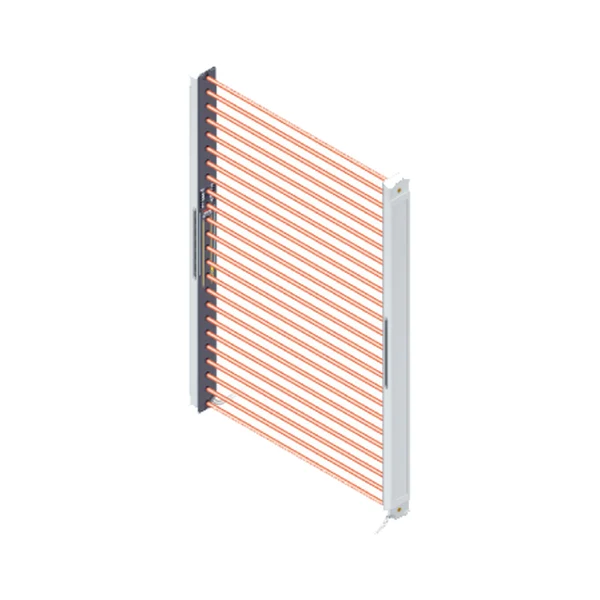
PANASONIC offers customized sensor solutions for bag detection, tunnel exit verification, remaining film quantity, and exit safety functions in high-temperature processes within shrink machines. Fiber units resistant to ambient temperatures up to 350 °C, when combined with the FX-550 amplifier, reduce light variations caused by temperature fluctuations inside the tunnel, ensuring stable detection. Offering a measurement distance of 600 mm so that it can be mounted away from the heat source, the HG-C1100 laser sensor detects objects regardless of color, while personnel safety at the tunnel exit is monitored by the ultra-slim SF4C light curtain featuring large indicators.
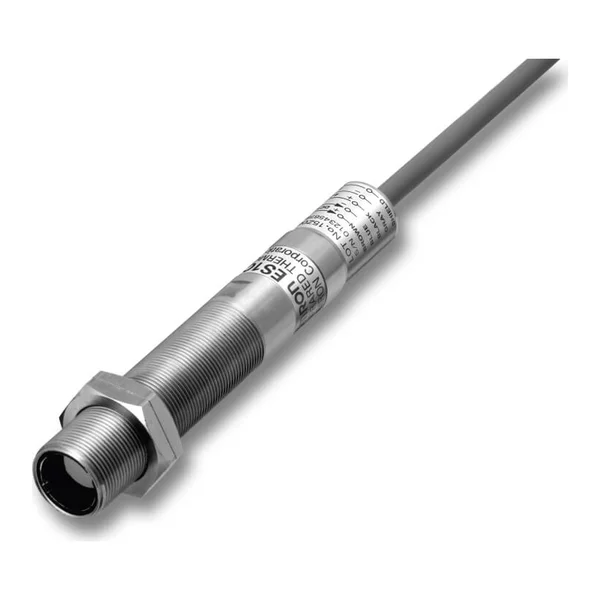
OMRON positions ES1B and ES1C non-contact temperature sensors to perform non-contact temperature measurement in packaging sealing, lamination, resin extrusion, and sheet moulding processes. Measuring actual temperature at the sealing point with a structure that does not deteriorate over time, the ES1B connects directly to thermocouple inputs with four distinct measurement ranges spanning 10–70 °C and 140–260 °C, a 300 ms response time, and ±1% PV repeatability. Meanwhile, the ES1C-A40 model, which measures in the range of 0–400 °C corresponding to the 0.85–0.95 emissivity value of plastic materials, delivers precise temperature tracking in thermal sheet processing and moulding processes with a 100 ms response time and 4–20 mA output.
12. Injection moulding: mould RFID, granule level, and compressor
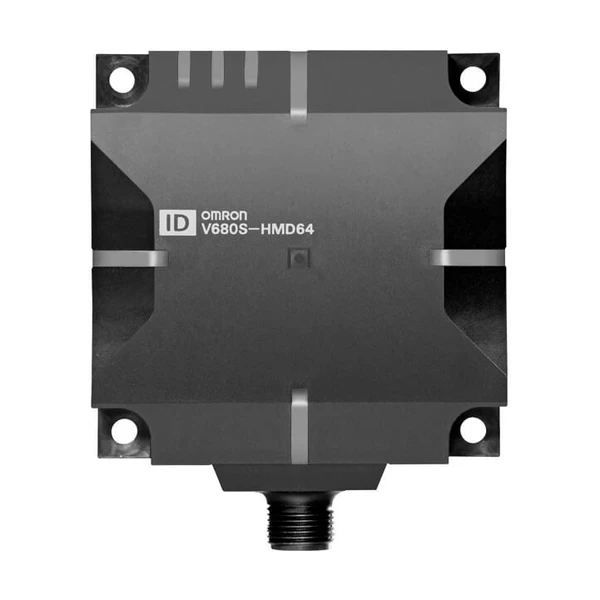
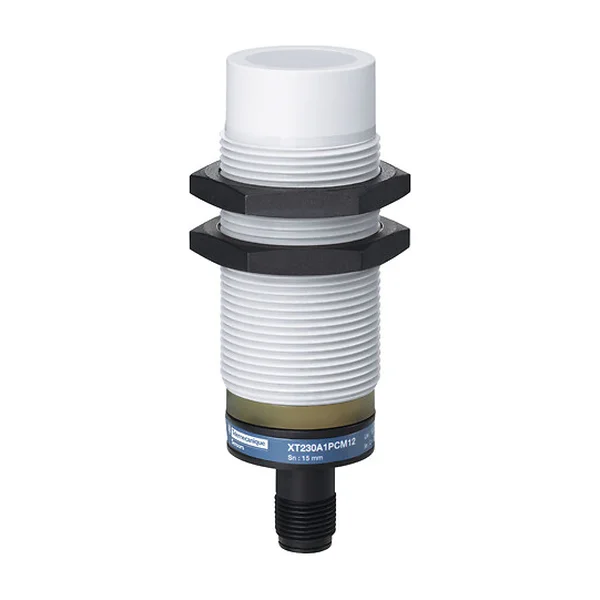
In injection moulding processes, OMRON uses the V680 RFID system complying with ISO/IEC 18000-3 and ISO/IEC 15693 standards to track total shot time and shot count via tags placed on moulds. Performing automatic mould check before the moulding process begins, the V680; according to OMRON, this check prevents defective production if an incorrect mould is installed. TELEMECANIQUE, on the other hand, offers IP67-protected XT capacitive sensors and the XXS18 and XXS30 ultrasonic sensor family with analog output for tracking plastic granule level in the feed hoppers of injection machines. Featuring a spherical electric field, the plastic-bodied XT230A1PCM12 capacitive sensor detects granular material behind a partition or through direct contact, while the analog XX series provides continuous level monitoring.
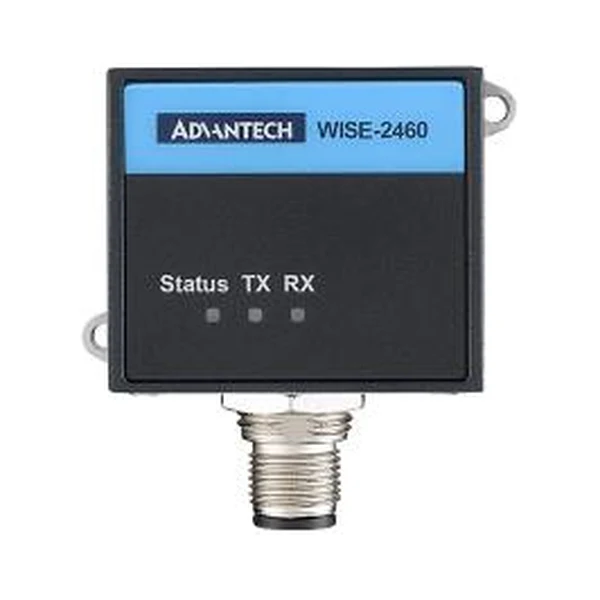
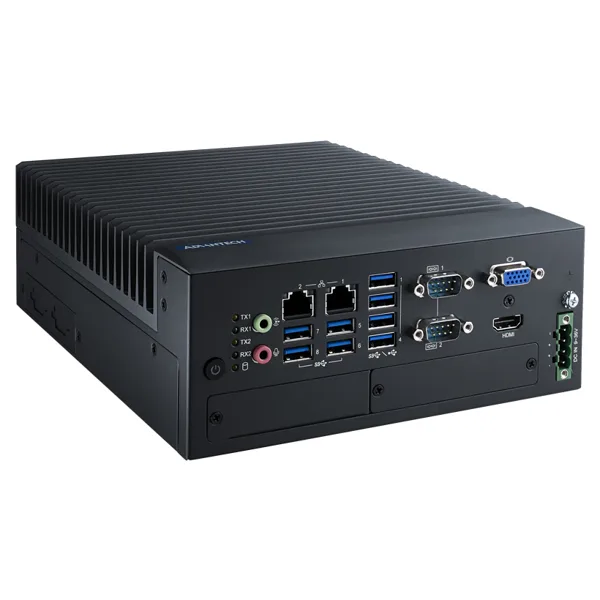
In ADVANTECH’s plastic injection case study, the ISO 10816-compliant WISE-2460 vibration sensor was used to monitor the compressor that provides compressed air from melt to mould filling. Featuring an amplitude range of ±50 g and an IP68 housing, the WISE-2460 transmits 10 kHz vibration data collected from the compressor’s motor, screw, and piston points to the fanless MIC-770 V3 industrial computer via the Modbus/RTU protocol. In the case study, a baseline was established from the normal vibration pattern, alarms were generated during abnormal vibration, and ISO 10816 alarm thresholds were set using WISE Studio.
13. Packaging machine safety
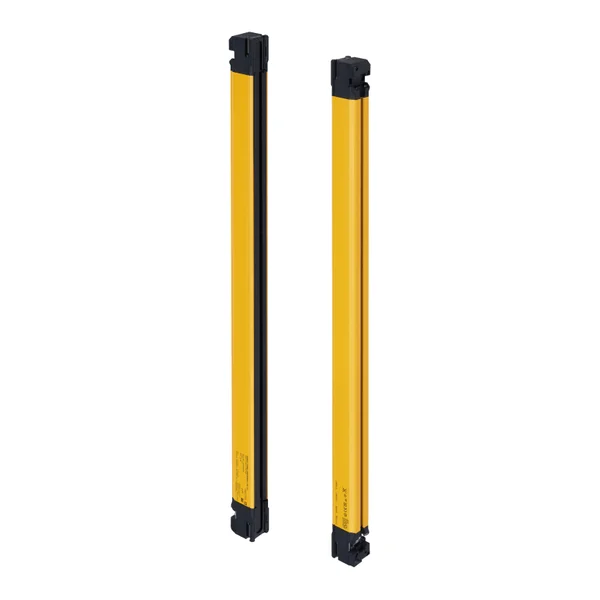
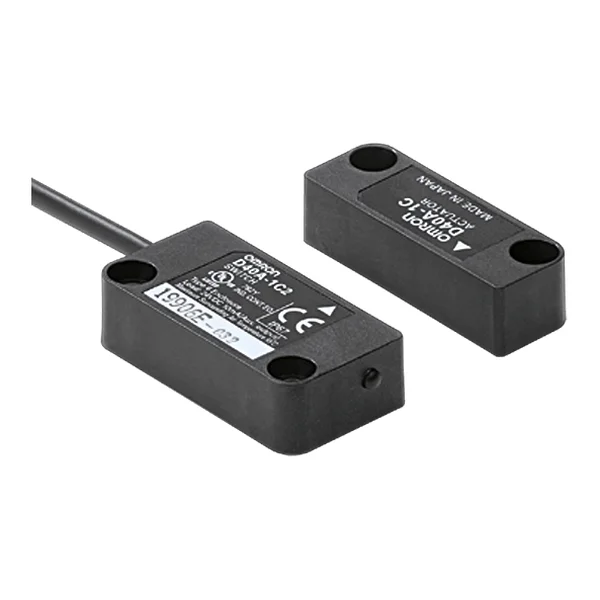
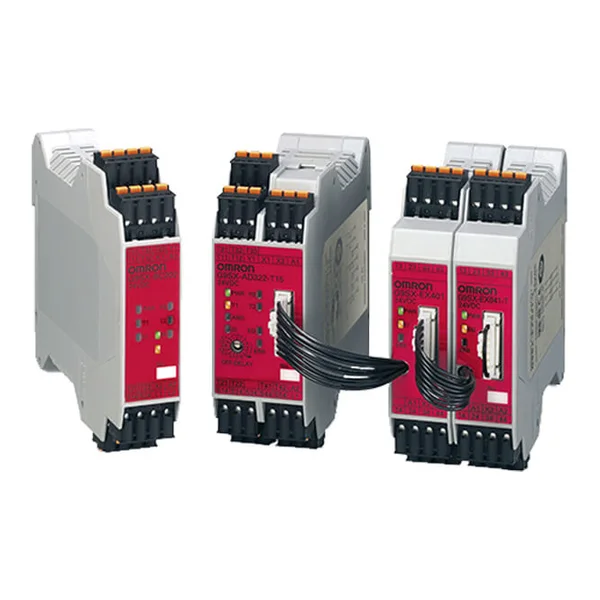
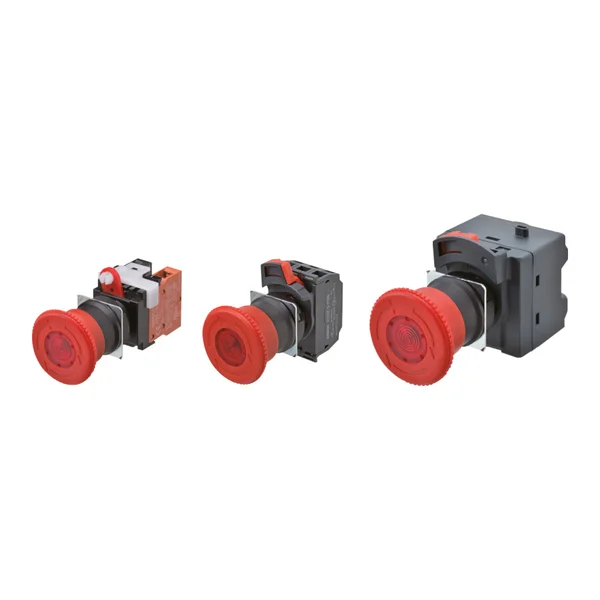
It is stated that in OMRON’s sample Pro Project Machinery application, safety in the five-lane production structure of bag-in-box packaging machines is provided with F3SG-SR/PG light curtains, D40A non-contact door switches, and A22E/A22NE emergency stop buttons, reaching the PLe level. While the D40A switches, which do not involve physical contact, generate no wear or dust particles, the G9SX-NS safety controller provides the capability to monitor up to 30 non-contact door switches with LED indicators from a single point. Interconnectable G9SX-AD/ADA controller units ensure a full stop when the emergency stop is pressed, whereas in light curtain interruptions, they provide a partial stop only in the relevant zone; according to OMRON, this reduces unnecessary full stops and restarts.
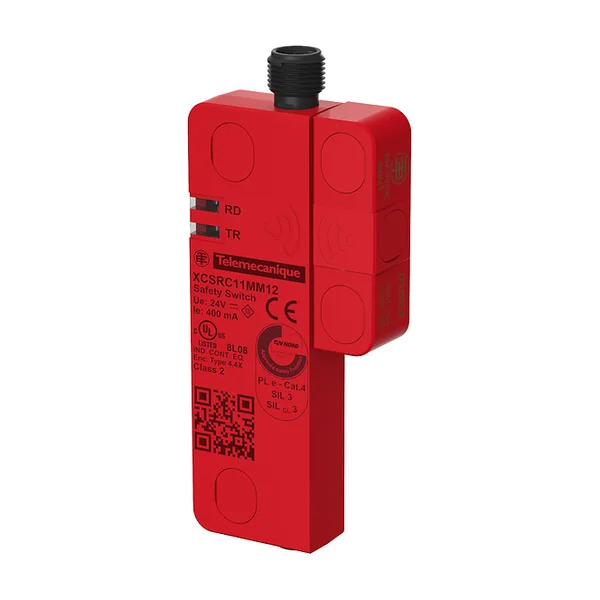
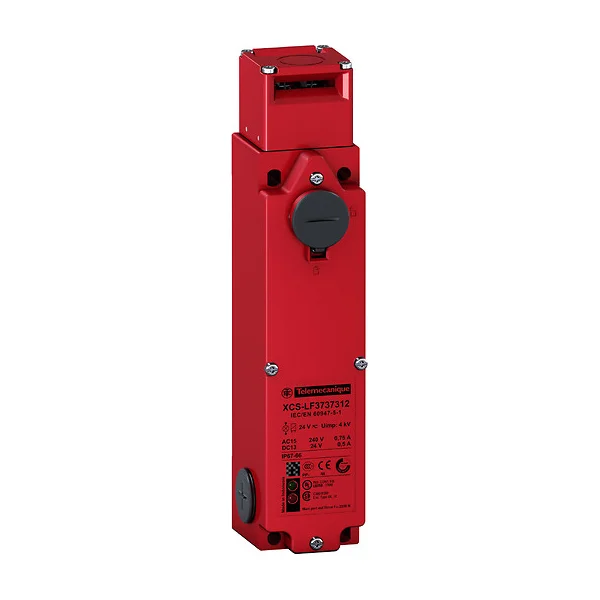
According to TELEMECANIQUE’s packaging page, operator protection on packaging machines is provided by systems compliant with ISO 13849-1 PL e standards; IEC 62061 SILCL3-certified XCSRC non-contact RFID safety switches monitor door statuses on filling and capping machines. For locking protective doors and fences on roll handling and packaging lines, 24 V electromagnet XCSLF series solenoid interlock switches are used, while XUSL2E and XUSL4E safety light curtains monitor access areas.
14. Box packaging, palletizing, and stretch wrapping
PANASONIC recommends the IP67-rated CX-411 thru-beam sensor for carton detection on case packaging lines, while suggesting CX-491 retro-reflective sensors and SG-P safety door switches that indicate door status to reduce wiring labor on long conveyor lines. At palletizing stations, shock-resistant metal-bodied SF4D light curtains with a 15 m range are utilized, while the OMRON robot palletizer solution manual defines presence detection and slowdown functions across wide areas using the OS32C safety laser scanner. The OMRON manual also positions the G9SX safety relay with an ON-OFF response time under 15 ms and D4SL guard lock safety-door switches with unique keys to prevent personnel from being trapped inside.
TELEMECANIQUE recommends using sensors with at least an IP67 protection rating in dusty or humid operating conditions where palletizing and stretch wrapping machines are located. While the vibration-resistant XCKP limit switch is used to monitor mechanical motion limits on stretch wrapping posts, XCMD miniature limit switches are preferred for end-position detection. To monitor human access to hazardous work areas, XUSL safety light curtains integrated around the line monitor personnel access to the machine’s hazardous zone.
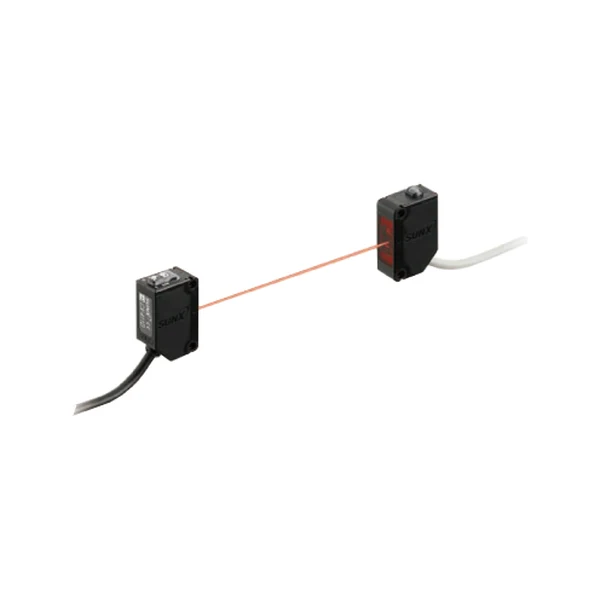 PANASONICCX-411Thru-beam photoelectric, IP67
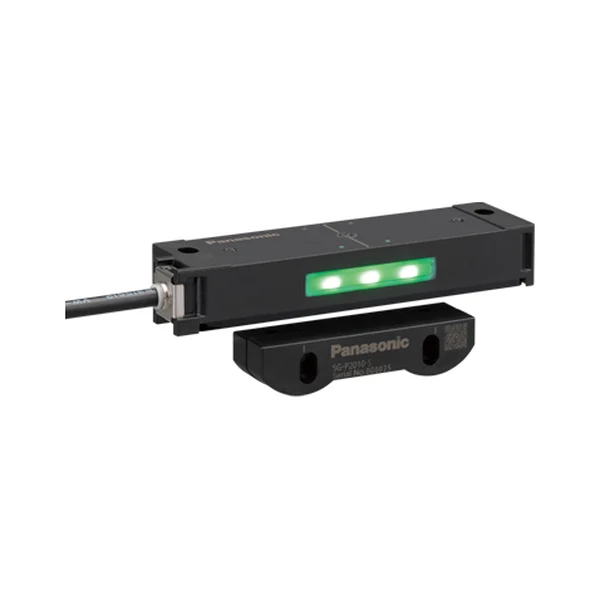 PANASONICSG-PNon-contact safety door switch
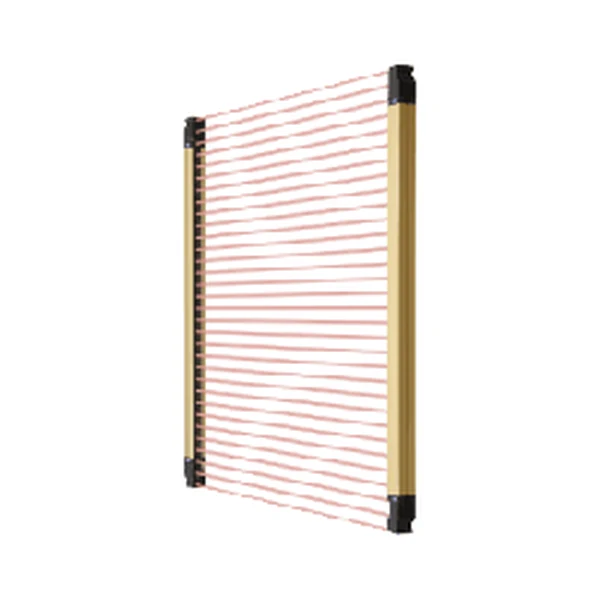 PANASONICSF4D-HType 4 light curtain, PL e / SIL 3
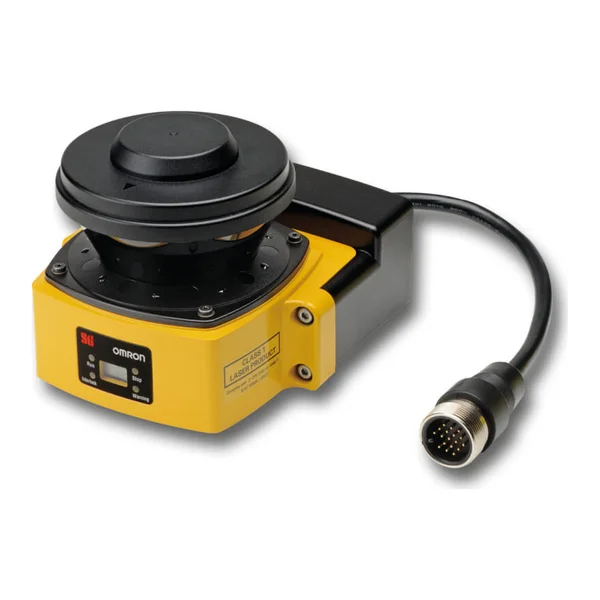 OMRONOS32CSafety laser scanner
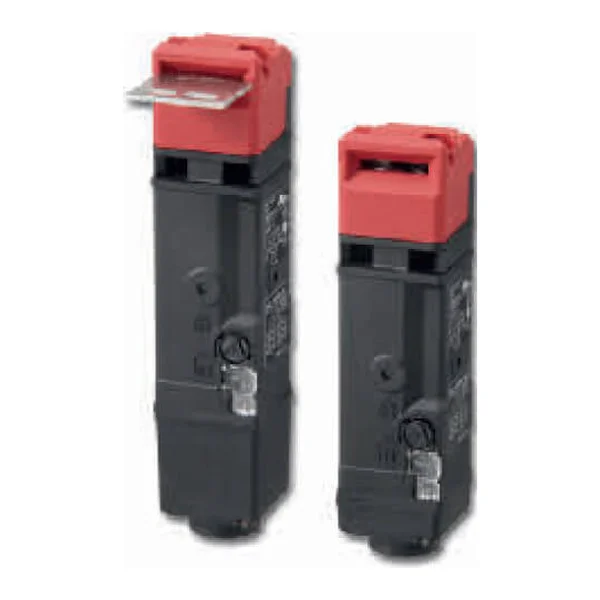 OMROND4SL-NInterlocking safety door switch
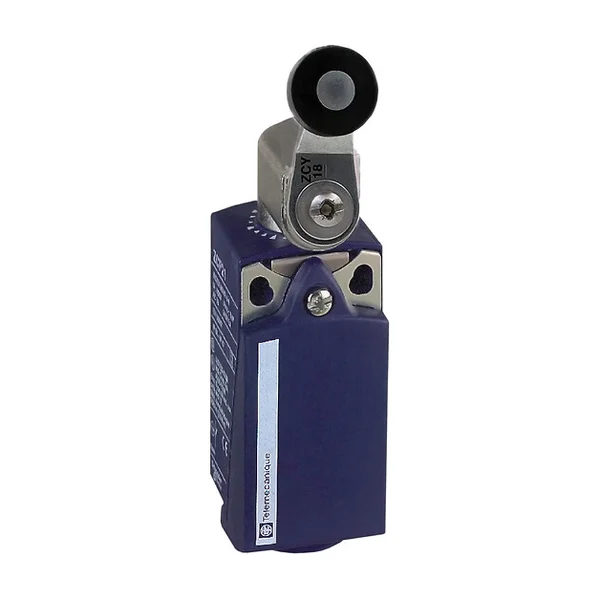 TELEMECANIQUEXCKP2118P16Compact limit switch
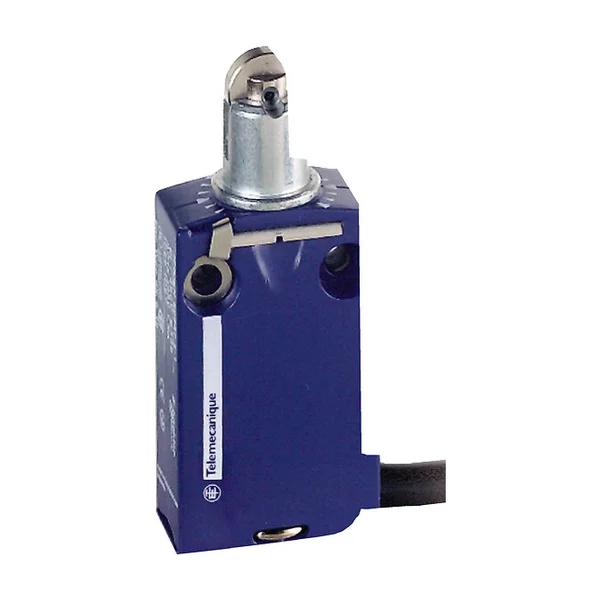 TELEMECANIQUEXCMDMiniature Zamak limit switch
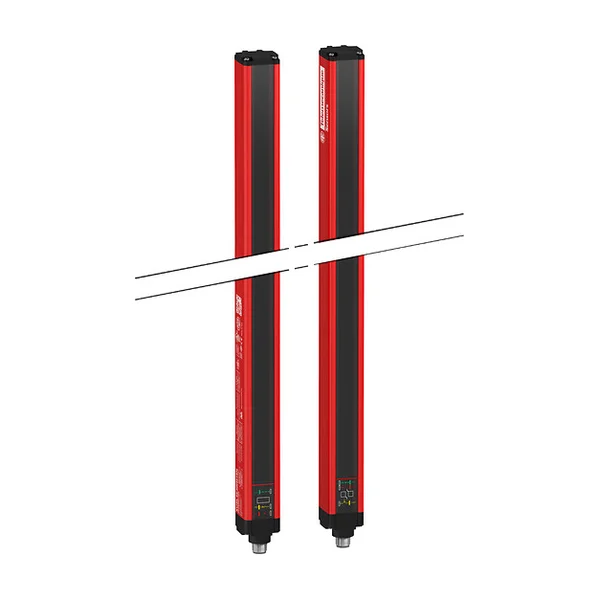 TELEMECANIQUEXUSL4E30HType 4 light curtain, 30 mm
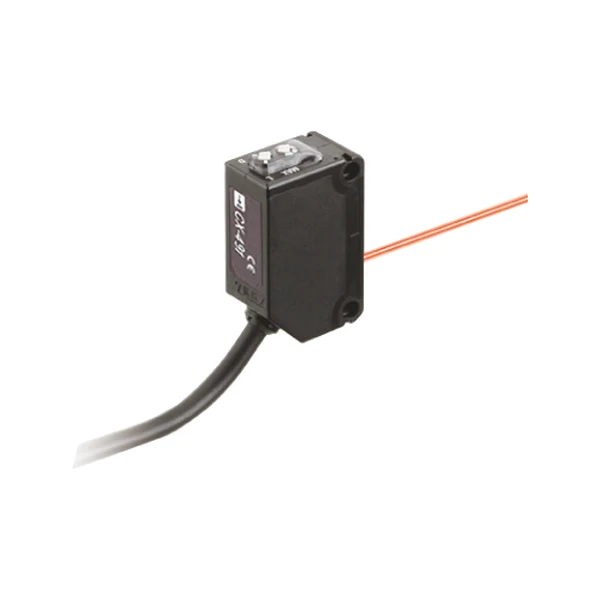 PANASONICCX-491Polarized retro-reflective sensor
15. Rapid format changeover with fiber sensors and IO-Link
In OMRON’s customer reference, BANDALL produces banding machines that wrap products with thin paper or film tape; according to the reference, this method can help reduce packaging material by 80%. To create a unified detection solution across different product and tape types, the E3X series fiber amplifier and the E32 series fiber sensor were used together. The smart power control feature automatically adjusts when light intensity drops, while DPC technology ensures stable detection under changing environmental conditions, enabling these components to be included as standard in BANDALL’s standalone floor-standing machines.
TELEMECANIQUE offers the XUYAFPCO946S plastic fiber amplifier with teach mode for part position tracking, small conveyor detections, and register mark detection in vibrating environments on packaging lines. On lines where variations in packaging type, material, and dimensions require constant adaptation, photoelectric sensors demonstrate the capability to detect dark surfaces, thin packages, and transparent materials. IO-Link sensors connected to the automation system automatically adjust detection parameters via the device description file (IODD), enabling fast format changeovers and reducing line downtime.
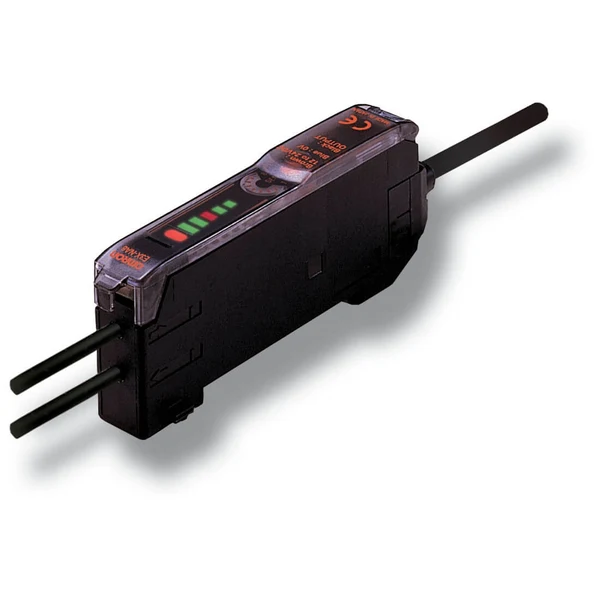 OMRONE3X-NAFiber amplifier
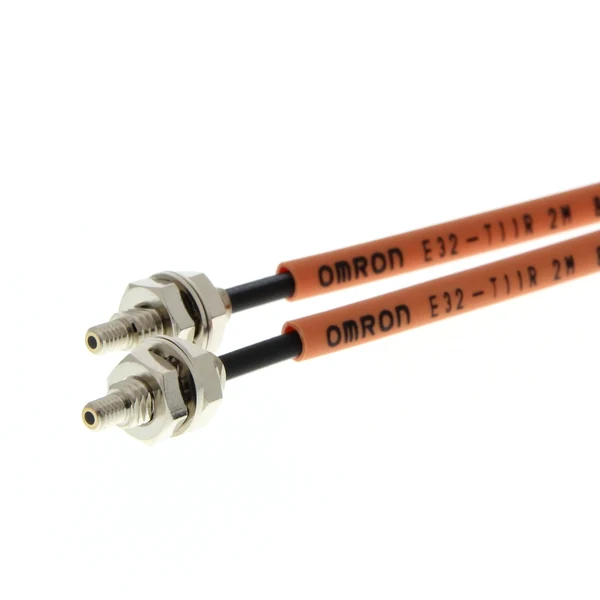 OMRONE32 Standard Cylindrical FiberThru-beam and reflective fibers
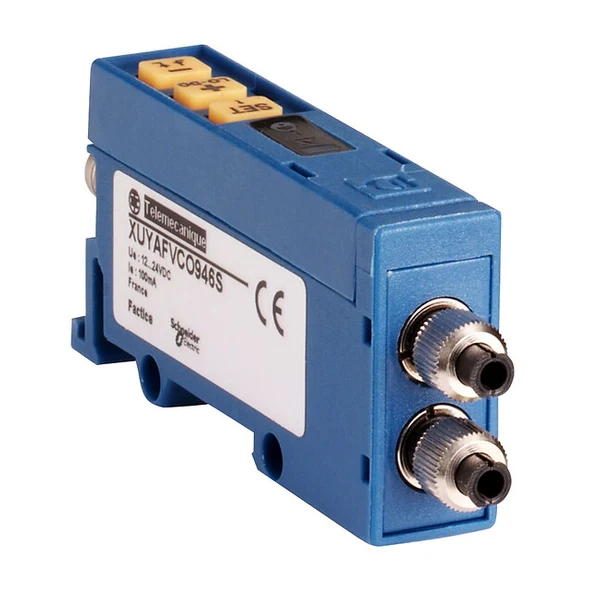 TELEMECANIQUEXUYAFPCO946SPlastic fiber amplifier
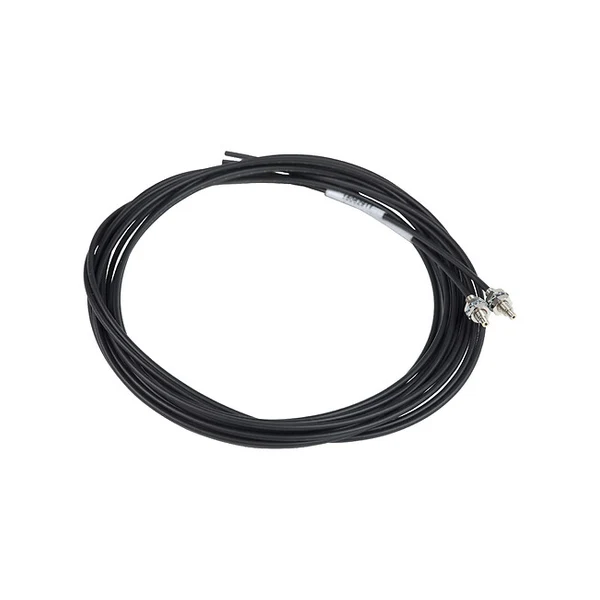 TELEMECANIQUEXUF Thru-beam FiberPlastic fiber, thru-beam
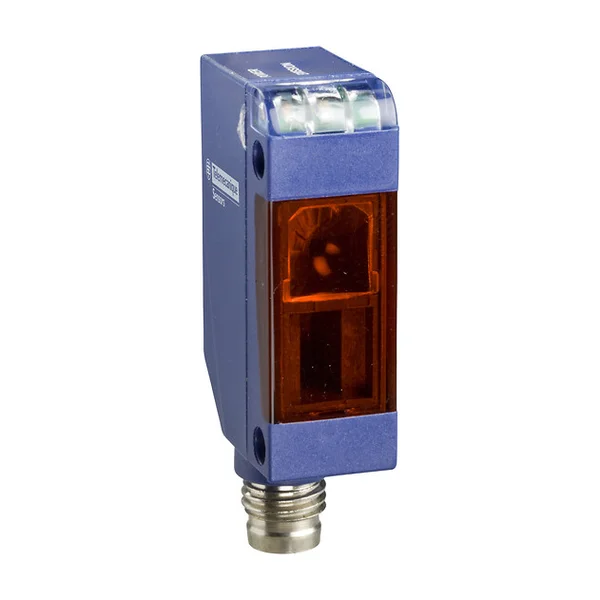 TELEMECANIQUEXUM0APSAM8Multimode miniature photoelectric
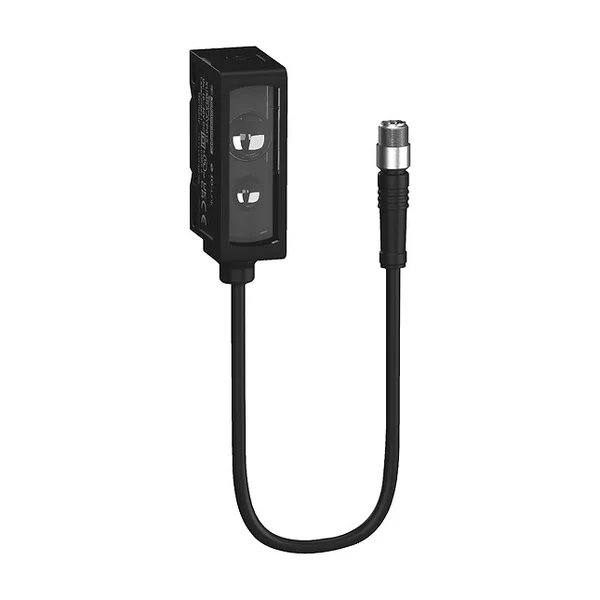 TELEMECANIQUEXUMRAGAYP015RGB contrast, M12 pigtail
16. Packaging machine HMI, visual inspection computer, and line data
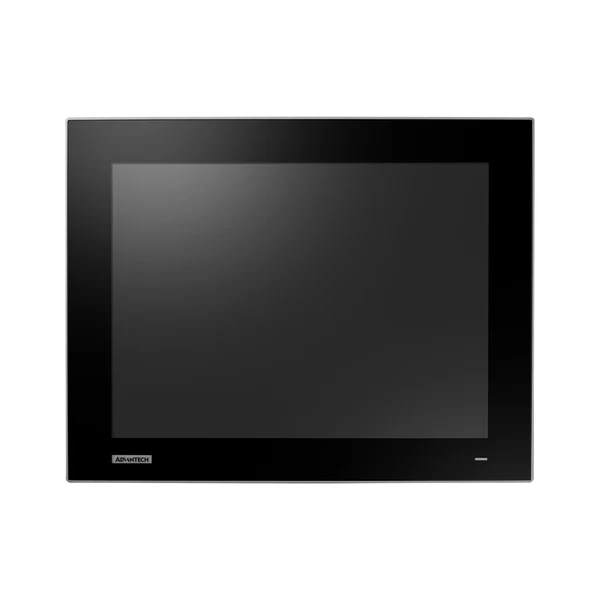
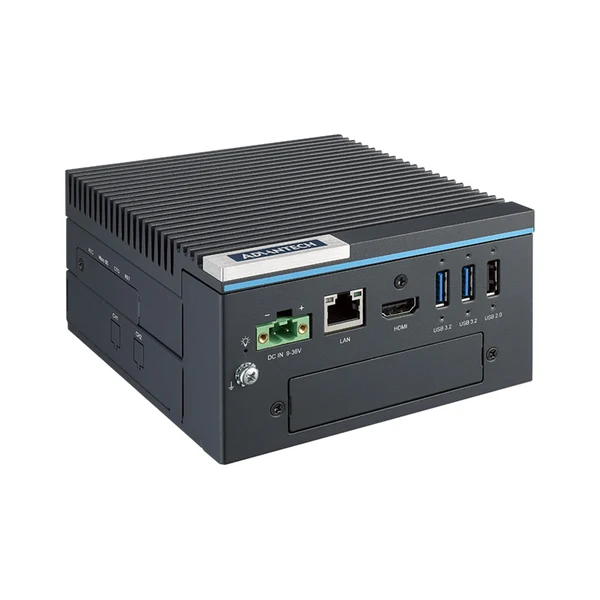
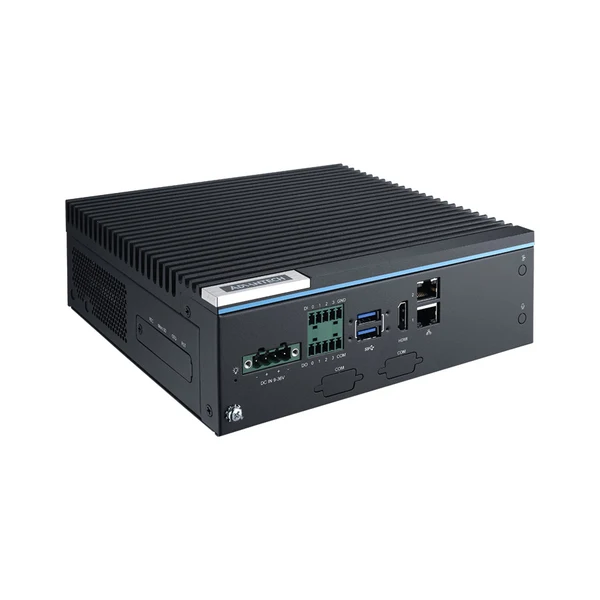
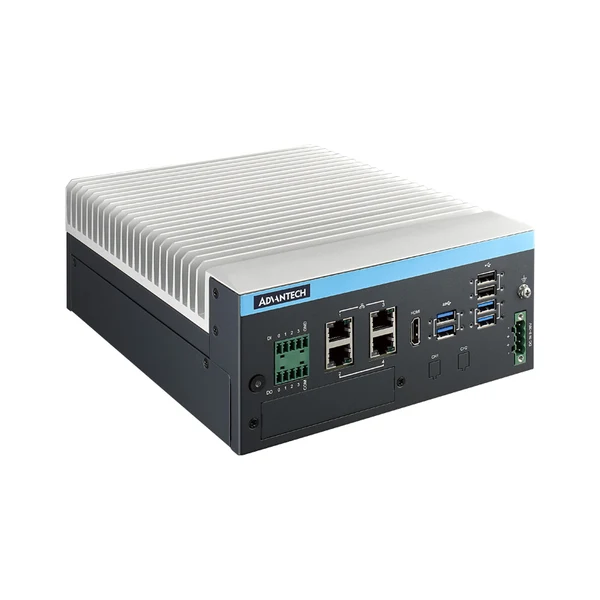
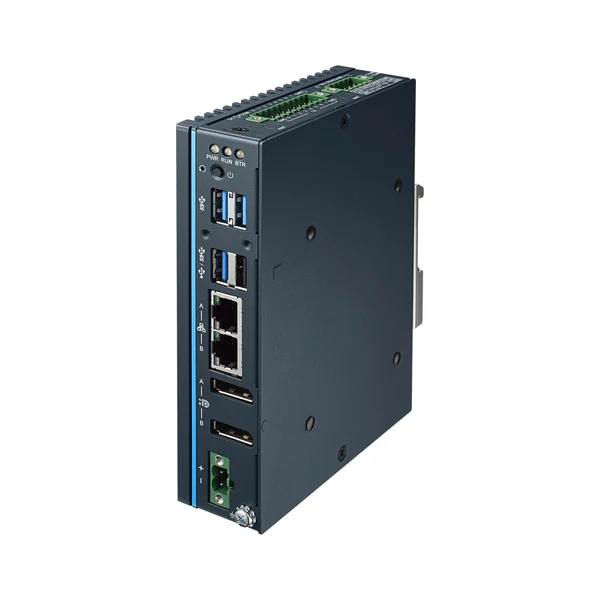
The ADVANTECH HMI guide states that recipes containing hundreds of parameters in food and packaging machines can be stored on the HMI, and recipe values selected by the operator are downloaded to controllers, shortening product changeover times. According to the guide, high-end industrial panel PCs combine HMI functionality with full PC processing power; at FST, the PPC-300 RPL with IP66 front panel is a fanless panel PC in this class, while the FPM-715 with a die-cast aluminum chassis is an industrial monitor. For requirements such as 3-axis motion control, speed adjustment, and procedure management in processing and packaging machines, ADVANTECH’s food and beverage page lists the UNO-137 DIN rail control PC in the processing and packaging section, operating at -40…70 °C and expandable with iDoor.
According to the ADVANTECH machine vision AI guide, manufacturers use visual AI infrastructure to verify expiration date, lot code, barcode readability, packaging seal, label position, and print quality, transferring pass/fail decisions to PLC or quality platforms. For multi-camera or deep learning-based workloads, industrial computers with GPU are recommended, and images as well as metadata can be logged to MES, SCADA, or quality databases; MIC-711, MIC-713, and MIC-733 at FST are NVIDIA Jetson-based edge AI computers. In a separate ADVANTECH case, at a global food and beverage manufacturer, filling machine PLC fault codes were transmitted via M2M connection to analyze downtime, and format changeover causes were tagged, monitoring OEE and energy data over the WISE-IoTSuite platform.

Which product for which need?
| Need | Product group |
|---|---|
| Film, foil, and print surface | HIKROBOT CL line scan, XoF frame grabber, line light |
| Date, lot, label, and content | HIKROBOT SC5000X / SC6000, SC3000, VisionMaster (VM) |
| Code reading on packaging | HIKROBOT ID3000, ID5000, IDH |
| Register mark | OMRON E3S-DC, PANASONIC LX-101, TELEMECANIQUE XUMR |
| Transparent bottle, cap, and film | PANASONIC CX-481 / HG-C1050, TELEMECANIQUE XXT12/XXR12 |
| Roll, label, and cutter | TELEMECANIQUE XXS18 / XUVU, PANASONIC CX-413 / PM-45 |
| Shrink, sealing, and extrusion temperature | PANASONIC FX-550, OMRON ES1B / ES1C |
| Injection mould, granule, compressor | OMRON V680, TELEMECANIQUE XT230, ADVANTECH WISE-2460 |
| Machine safety and palletizing | OMRON F3SG-SR / D40A, TELEMECANIQUE XCSRC / XUSL4, PANASONIC SF4D |
| HMI, visual inspection, and line data | ADVANTECH PPC-300, MIC-711, UNO-137 |
Source: HIKROBOT product data, case studies, and trade show news; OMRON E3S-DC/E3NX-CA, ES1B/ES1C, V680, and G9SX documentation, Pro Project and Bandall customer references, robotic palletizer solution guide; PANASONIC packaging industry sensor guide and product pages; TELEMECANIQUE packaging brochure and application pages, XU, XX, and XT catalogs, XUSL and XCSR guides; ADVANTECH plastic injection case, HMI, and machine vision guides. Images belong to HIKROBOT. Risk assessment in machine safety is performed on a project basis.
Tell us about your application
Share the packaging type and material (film, bottle, carton, transparent), line speed, feature to be inspected (print, code, label, content), and machine structure; let us select camera, sensor, safety, and computer components together. In projects in this industry, FST Teknoloji delivers turnkey machine vision and system integration solutions with HIKROBOT hardware.